






March 7, 2024
UK businesses risk losing out on top female talent due to ability to support hybrid and flexible working
 Ahead of International Women’s Day, new data from Ricoh Europe claims that UK and Irish businesses risk losing out on top female talent due to an inability to support workplace flexibility, exacerbated by a lack of technology and fit-for-purpose people policy. The research, conducted by Opinium and analysed by CEBR on behalf of Ricoh Europe, polled 1,000 workers and 250 decision-makers across the UK and Ireland. Insights reveal a significant gender gap in the desire for flexibility and hybrid working arrangements. While both genders see benefits, 10 percent more women, over half (51 percent), agree that hybrid working improves their work-life balance, compared with only 39 percent of men. In addition, 40 percent of women actively seek employers offering hybrid models, a higher percentage than men. (more…)





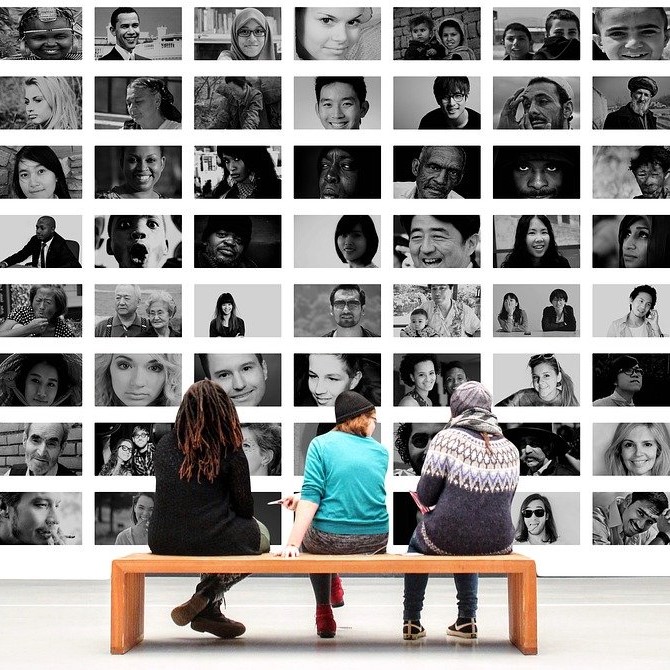
 While millions of words have been dedicated to the expected changes in post-Covid workstyles – how will people work, where will they work, how will they be supported – very little has been said about their employers: companies and corporations. Yet the anticipated changes to work and the workplace raise questions about the role of the company. Is it one just half of a transaction between employer and employee? Or is it something more? Indeed, what is the role of the company in the modern economy? Is the nature of the company likely to change? The answers could have a greater impact on workstyles than the pandemic.

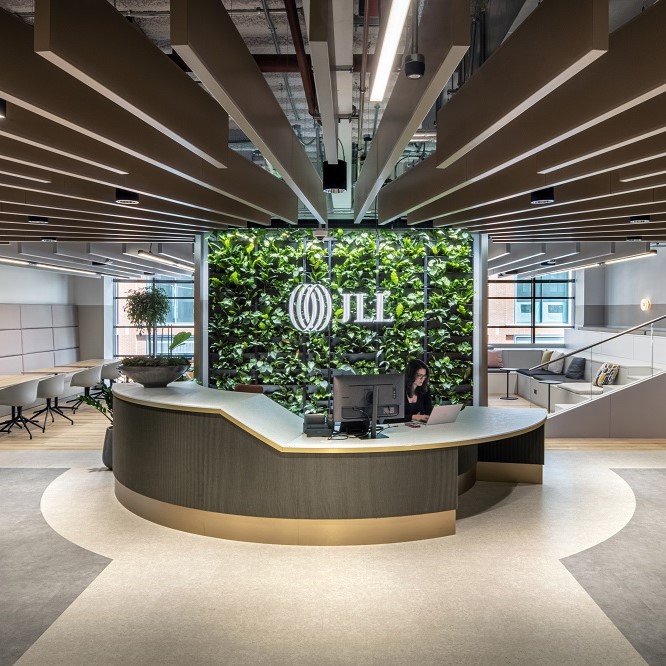



 A new poll of workplace leaders suggests there is an environment of unconscious fear in modern-day leadership, leading to toxic culture, stunted growth, performance and productivity, and decision inertia. The global study of 2,500 emerging leaders in corporate businesses by consultant