








November 29, 2018
OECD, UN Environment and World Bank call for a radical shift in infrastructure thinking
 The OECD, UN Environment and World Bank Group have this week called on leaders of G20 countries to do more to enable a radical shift of investment into low-carbon, climate-resilient infrastructure as a way to limit the impact of climate change. Delivering a new report, Financing Climate Futures: Rethinking Infrastructure, to the G20 at its Summit in Buenos Aires, the three International Organisations said governments need to adopt a more transformative agenda on low-carbon, climate-resilient investments if they are to meet the Paris Agreement goal of cutting CO2emissions to net zero in the second half of the century and build resilience to climate change.

 A new task group spearheaded by the UK Green Building Council (UKGBC) being launched which will develop an industry-led definition for net zero carbon buildings. The task group brings together over thirty experts from across the building value chain and is being supported by 12 leading industry bodies. Following the recent IPCC report and the Paris Climate Agreement, worldwide attention has switched to achieving “net zero emissions” to escape the worst impacts of climate change. To answer this, a global campaign is being led by the World Green Building Council – calling for all new buildings to be net zero carbon in operation by 2030 and all existing buildings to achieve this standard by 2050. Its aim is to build industry consensus on a definition for net zero carbon buildings, which can then be used to advise project designs, planning requirements and building regulations.


 Although the majority of business leaders rate their business as efficient, nearly a third of respondents to a recent survey waste up to 65 working days per year on administrative tasks, with over half wasting the equivalent of a working month. Priority Software’s Business Process Efficiency Index 2018 suggests business leaders are struggling to take charge of company productivity; and while senior decision-makers expressed the desire to spend more time planning for the future of their businesses, they said too much time is currently occupied by administrative tasks.
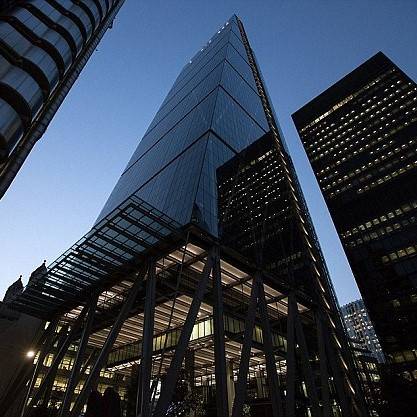

 London has joined 18 other cities around the world, including Paris, New York and Tokyo, in a landmark commitment to make all new buildings operate at net zero carbon by 2030. Regulations and planning policy will also target existing buildings to make them net-zero carbon by 2050. Net zero carbon buildings are buildings which reduce all energy use as far as technically possible, with remaining demand met through renewables. The commitment has been orchestrated by C40 cities, a global group of major cities committed to delivering on the most ambitious goals of the Paris Agreement at the local level. As city authorities do not have direct control over all the buildings in their area, the commitment includes a pledge to work together with the private sector as well as state and regional governments to drive the transformation. This pledge from cities is part of the World Green Building Council’s
 Built environment organisations are calling for urgent action on issues such as consumption, innovation and infrastructure to prevent the UK slipping behind other nations on poverty, equality and the environment as a new report released today (3 July 2018) highlights the UK’s inadequate performance against the United Nations Sustainable Development Goals (SDGs), including those for the built environment. The report, Measuring up, from the UK Stakeholders for Sustainable Development (UKSSD), is the first comprehensive assessment of the UK’s performance against all 17 SDGs and highlights a significant danger that quality of life in the UK will worsen if action is not taken. Just some of the findings of the report include; that the UK is performing well (green) on only 24 percent of its targets; no industry, innovation and infrastructure targets have achieved a ‘good’ performance rating, with gaps in policy coverage and inadequate or deteriorating performance and large scale, sustained investment in replacing ageing infrastructure and creating additional resilient and low carbon infrastructure of all kinds is required.





 Cities in emerging markets, though challenged by economic and political turmoil, are catching up with top ranking cities following decades of investing in infrastructure, recreational facilities and housing in order to attract talent and multinational businesses, finds Mercer’s 20th annual