





March 22, 2018
Excessive workloads and lack of communication is increasing workplace stress
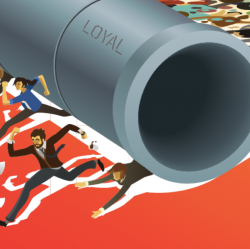 UK office workers are under a tremendous amount of stress, and much of it is directly related to the way their work is being managed. That is the conclusion of a report by Workfront, which finds that office workers are becoming frustrated and burned out by poor work tools, processes, and communication. Four out of five office workers confessed that they feel burnt out and 73 percent expect their stress levels at work to increase in the near future. Nearly three quarters (74 percent) admit to feeling unrecognised and un-useful at work. With lack of communication and not knowing what others are working on (37 percent) cited as the number-one pain point across the board for stressed UK workers, it’s clear that businesses need to break down current silos, allowing people to engage more freely with senior staff members and see how their efforts impact the wider team. The study found that poor communication and visibility into work is UK workers’ number-one pain point in terms of work stress. It also reveals that 42 percent of office workers put in more than 6 hours of overtime per week and that 7 out of 10 office workers expect their stress levels at work to increase into the future.

 There is a disparity between the causes of communications anxiety between men and women, claims new research conducted by RADA in business. Male employees are 45 percent more likely than women to feel anxious when socialising with their work colleagues, while women are most scared of giving a presentation. Team building events were also found to be more challenging for men, with almost a fifth (19 percent) reporting feelings of communications anxiety. Work social events followed, with 17 percent reporting the same feelings. In contrast, the report found that female employees experience greater levels of anxiety when giving presentations in front of a group, to colleagues, or to management. The evidence suggests that while men require more help with skills around spontaneous communication, for women it is about standing their ground and getting their voice heard when stepping into the spotlight – often in situations that may have a significant impact on their career path. Notably, the research shows that women are also 39 percent more likely to experience workplace anxiety than men when in a job interview, and 37 percent more likely when negotiating a pay rise.
 Online messaging is the most common way for millennial bosses to communicate with their direct reports, with over half (55 percent) preferring to use this digital method, followed by email at 28 percent, a new survey claims. Only 14 percent said their favoured way to communicate is in person, and 3 percent said via phone. As millennials (born 1981-1996) increasingly moving into management positions, the new Korn Ferry survey also found that when interviewing for management positions, millennials say that making an impact on organisational culture is most important to them, with salary being the least important. The survey also found that compared with Gen Xers and Baby Boomers, knowing what is coming next is critical for millennial bosses. Nearly three quarters (74 percent) said a clear advancement path (e.g. next two positions) is more important for millennial bosses, with 49 percent saying it is much more important.



















March 13, 2018
Many office furniture firms remain confused about social media and online communication
by Colin Watson • Comment, Furniture, Workplace design
(more…)