







February 5, 2021
Workplace things we have missed, and those we hope to regain
 Let’s be honest, work life pre 2020 had its flaws, whilst the longing for variety of scenery, change of pace and even a train journey (somewhere…ANYWHERE) would be welcomed by many of us right now, many of us had become a bit ‘hamster wheel’ in our approach. Commuting was stressful, expensive and time hungry; our natural and individual rhythms squeezed into a set 9-5 schedule and workplace design had become a bit ‘quantity over quality’ – desks have been reducing in size year upon year in order that capacity could be increased. We had reached a point at which everything was ripe for change but there was largely a resistance to both flexible working requests and embracing much of the technological advancements that were already at our fingertips. (more…)

 Lockdown meant that the choice to work from home was made for us. However, for many the decision to continue to do so post-lockdown will be a personal choice. The question we should all ask ourselves is, whether when we are outside of any lockdown restrictions, is working from home really a workplace revolution or simply an act of selfishness? For thousands of workers who’ve spent years of their lives commuting to offices that feel more like soul-less factories than inspiring and engaging workplaces, it’s no wonder that enforced work from home has proven popular.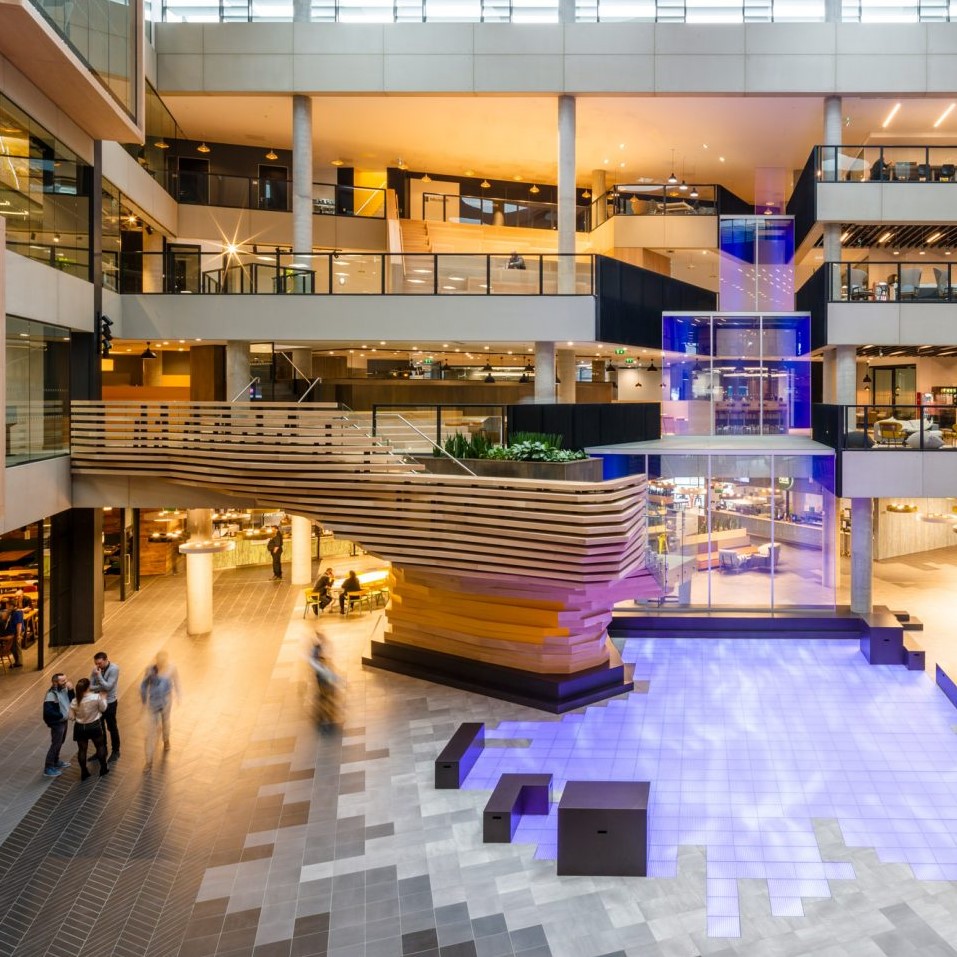
 The COVID-19 pandemic left businesses in an unprecedented position of having to rapidly adapt workplace practices and implement new processes at a moment’s notice. Of course, those companies that were already accustomed to home office set-ups and flexible hours were in a much better place to adapt to these changing circumstances. However, not all businesses were prepared for the sudden change to work routines.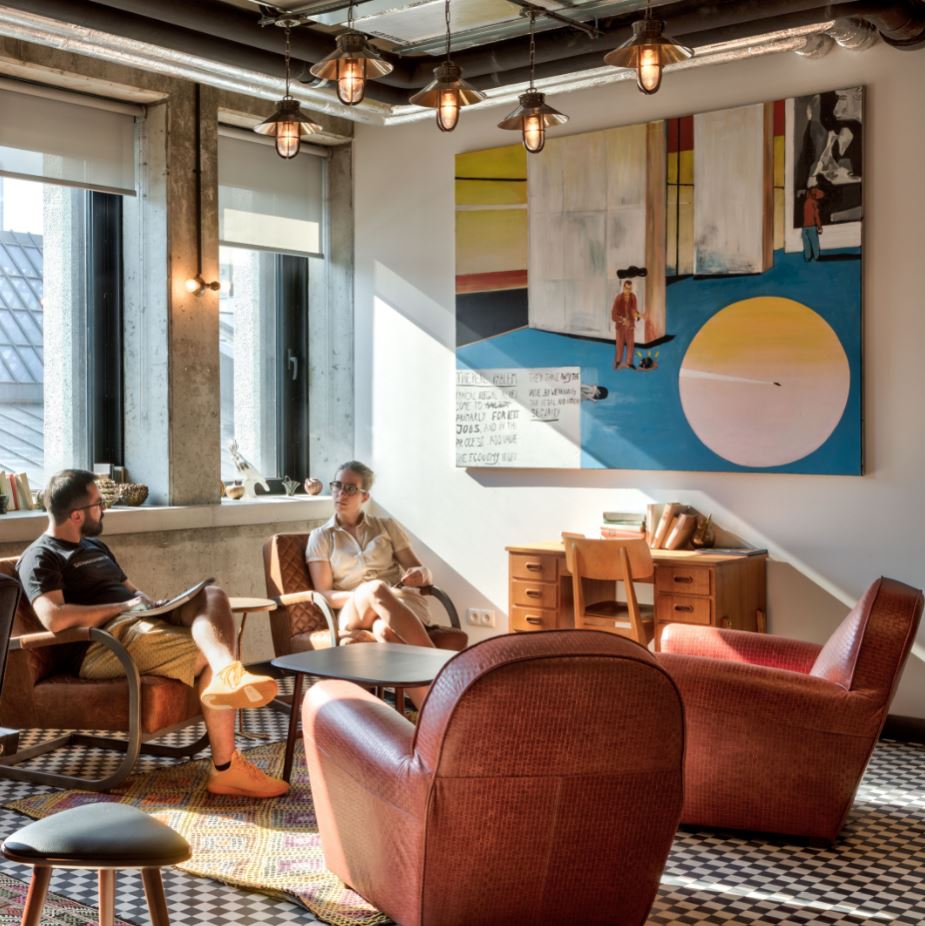
 The pandemic and months of Zoom calls and remote work have begun to wear on us, so much so that in
 Last year, many organisations were forced overnight to adjust to new ways of working. Digital transformation accelerated, and collaborative activities were recreated virtually. But while teams have adapted functionally to maintain productivity, organisational leaders need to pay special attention to the “intangible” cultural aspects and their overall purpose.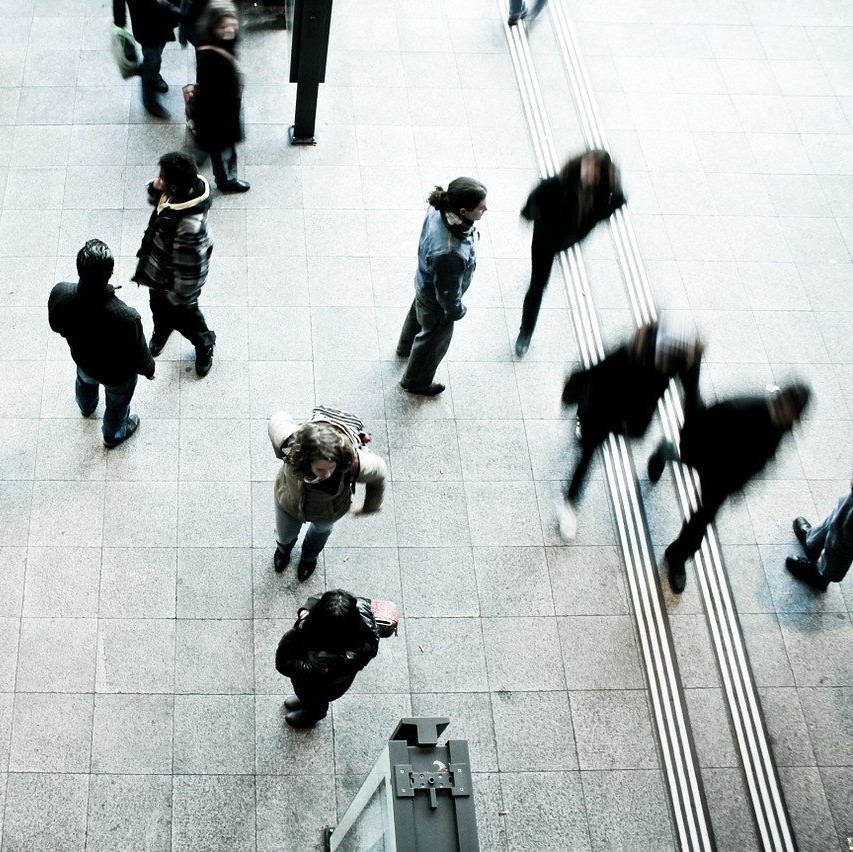
 The idea of a Global Village comes loaded with a number of idyllic connotations. Most of them derive from the use of the word village itself, which triggers the idea of a community in our minds. Yet even the man who coined and popularised the term in the 1950s and 60s to describe a world contracted by new media understood that there are always complications whenever technology rubs up against human beings.

 Data from thousands of employees across the country has been aggregated in a new report, detailing the mental wellbeing of the workforce over the course of the year. The research from
 Heightened anxiety during the Covid-19 pandemic has led to employees working longer hours and taking fewer sick days, all the while becoming less fulfilled by work and life, according to the latest analysis from
 In the face of the revolutionary and long-lasting changes to workplaces across the world resulting from the pandemic, some commentators have suggested that the wide-spread necessity of adopting remote working practices may have made the office obsolete. However, such a dramatic upheaval to the very foundation of the workplace and working dynamic won’t come without a cost, and new data suggests that perhaps the office isn’t the dinosaur many assumed, but still a central pillar to effective businesses as part of a hybrid working strategy.






February 9, 2021
Getting the measure of better working cultures
by Mark Eltringham • Comment, Flexible working, Technology, Wellbeing, Workplace design