


Search Results for: diverse workforce

How modern FNP programs prepare nurses for a changing workplace

How modern FNP programs prepare nurses for a changing workplace

The healthcare landscape is evolving faster than ever before. From the rise of telehealth to new models of patient-centered care, nurses today face a dynamic workplace that demands not only clinical expertise but adaptability, leadership and a commitment to lifelong learning. Family Nurse Practitioner (FNP) programs are stepping up to meet this challenge and equipping nurses with the skills and knowledge necessary to thrive in a changing environment.

Modern FNP programs recognize that healthcare is no longer confined to traditional hospital settings. Graduates may find themselves working in clinics, community health centers, telemedicine platforms or even corporate wellness programs. To prepare for these diverse roles, FNP programs emphasize flexible learning pathways that combine online coursework, simulations and in-person clinical experiences. This hybrid approach mirrors the evolving nature of the healthcare workplace itself where technology and adaptability are essential for success.

For example, a nurse pursuing an FNP program may complete a significant portion of theoretical learning online, allowing them to balance work, family or other commitments while still gaining essential knowledge. Clinical rotations in multiple healthcare settings ensure exposure to a wide variety of patient populations and workplace environments. This combination prepares graduates to adapt quickly and perform effectively no matter where they practice.

Bridging clinical expertise and leadership skills

Healthcare organizations today require practitioners who can make independent decisions, lead teams and coordinate care across multiple settings. Modern FNP programs integrate leadership training, evidence-based practice and interprofessional collaboration into their curriculum. Nurses graduating from these programs are not only clinically competent but also prepared to take on managerial roles, lead quality improvement initiatives and contribute to organizational strategy.

Leadership training often includes exercises in conflict resolution, team communication and project management. Students may participate in simulated scenarios where they lead a patient care team, making decisions under pressure while coordinating with physicians, nurses and support staff. These experiences build confidence and practical skills, ensuring graduates can navigate the complexities of modern healthcare workplaces.

Emphasizing technology and innovation

Digital transformation is changing healthcare delivery. Electronic health records, remote patient monitoring and telehealth platforms are now standard tools in many practices. FNP programs are adapting by incorporating training in healthcare technology, data analysis and telehealth. By familiarizing students with the tools they will use in practice, these programs ensure that graduates are ready to thrive in technologically sophisticated workplaces.

For instance, students may practice conducting virtual consultations or learn to interpret patient data from remote monitoring devices. They also gain skills in digital documentation, privacy compliance and cybersecurity, which are increasingly important when it comes to protecting sensitive patient information. By integrating technology into the curriculum, FNP programs produce graduates who are capable of improving efficiency and patient outcomes through innovation.

Prioritizing well-being and workplace resilience

The pandemic highlighted the critical importance of well-being in the healthcare workforce. Nurses are at risk of burnout due to long hours, high stress and the emotional demands of patient care. Modern FNP programs increasingly focus on self-care, stress management and professional resilience. By fostering emotional intelligence and coping strategies, these programs help nurses sustain long and demanding careers.

Courses may include mindfulness techniques, time management strategies and guidance on maintaining work-life balance. Mentorship programs provide additional support, helping students navigate the challenges of both education and professional practice. Graduates who have been trained to prioritize well-being are better equipped to manage stress, contribute positively to their teams and maintain high-quality patient care over time.

Preparing for the future of healthcare

Modern FNP programs aren’t just about clinical skills. They are about preparing nurses for a rapidly changing workplace that values flexibility, leadership and technological competence. Graduates are ready to meet the challenges of healthcare environments that range from traditional hospitals to community clinics, telehealth platforms and corporate wellness programs. They are equipped to support patient-centered care while also advancing organizational goals and improving workplace resilience.

Healthcare organizations benefit from hiring nurses trained in these comprehensive programs. FNP graduates bring advanced clinical knowledge, strong leadership capabilities and the ability to adapt to new technologies. They are prepared to implement evidence-based practices, mentor junior staff and contribute to innovations in patient care delivery. In short, FNP programs are shaping a workforce that is ready for the demands of modern healthcare.

Building a resilient healthcare workforce

The role of the Family Nurse Practitioner is now more important than ever before. Modern FNP programs prepare nurses to meet the needs of a complex and changing healthcare workplace by combining clinical expertise, leadership training, technological skills and well-being strategies. Graduates leave these programs ready to deliver high-quality care, lead teams and adapt to new challenges. For nurses pursuing advanced education and healthcare organizations seeking a resilient workforce, FNP programs provide the tools and training necessary to succeed in today’s evolving healthcare environment.

Lead boldly, pivot strategically: redefine change leadership, before it redefines you

Lead boldly, pivot strategically: redefine change leadership, before it redefines you

The question isn't whether change will continue to accelerate—it's whether we'll rise to meet it with the leadership our times demand. Change management is no longer just a discipline, it’s a mindset. In today’s hyperconnected, rapidly evolving business landscape, the ability to lead through constant transformation has become the defining characteristic of exceptional leadership, and one that is weighing heavily on all leaders. When leaders claim that “people don’t like change,” they’re missing a fundamental truth about human nature. We navigate change every single day, adapting our morning routines when a loved one falls ill, finding alternative routes when our train is cancelled, or pivoting our plans when circumstances shift. Change itself isn’t the problem. The issue is that people don’t like being changed or having transformation imposed upon them without agency, understanding, or involvement. (more…)

Return to office policies now more common, but raise people’s expectation of better workplaces

Return to office policies now more common, but raise people’s expectation of better workplaces

The news that Microsoft has introduced a formal hybrid working policy has sparked the usual pointless to and fro on social media about return to office policies, but it would seem for a growing number of firms and their employees, the debate is overThe news that Microsoft has introduced a formal hybrid working policy has sparked the usual pointless to and fro on social media about return to office policies, but it would seem for a growing number of firms and their employees, the debate is over. According to new global research from JLL, 72 percent of employees now view attendance requirements in a positive light, but this shift comes with heightened expectations for workplace quality, flexibility and wellbeing. (more…)

How AI is already changing the world of work

How AI is already changing the world of work

AI is already changing the world of work, but not everybody is reacting to it in the same way, writes Laura AndersonAI is rapidly transforming the world of work. That much is clear. Understanding how different generations are adapting to this shift is therefore crucial for any organisation looking to the future.  Our recent study focusing on the generational differences in attitudes towards some of today’s biggest topics sheds some light on what might be driving these trends. Perhaps the most important finding was that nearly two-thirds of Gen Z feel concerned about AI’s impact on their future (only Baby Boomers reported more concern) – even though over half are still using AI day to day. (more…)

Study claims that working from home can significantly boost productivity

Study claims that working from home can significantly boost productivity

A new study of a large Turkish call centre provides fresh evidence that working from home can improve productivity and workforce diversityA new study of a large Turkish call centre provides fresh evidence that working from home can improve productivity and workforce diversity — though in-person onboarding remains crucial to long-term success. The research, conducted by economists from King’s College London, Stanford, the Paris School of Economics and the EBRD, examines Tempo BPO, a Turkish business process outsourcing company that moved fully remote in 2020. The authors include well-known remote work researchers Nick Bloom and Steven Davis, alongside Cevat Giray Aksoy, Victoria Marino, and Cem Ozguzel. (more…)

Little evidence that hybrid working has encouraged high skilled people to relocate to cheaper regions

Little evidence that hybrid working has encouraged high skilled people to relocate to cheaper regions

the shift towards remote and hybrid working has not significantly changed where people live, nor has it helped to distribute talent more evenly across the countryA new report and series of policy briefings by a team of UK researchers suggest that the shift towards remote and hybrid working has not significantly changed where people live, nor has it helped to distribute talent more evenly across the country. Led by Professor Jackie Wahba OBE from the University of Southampton and Dr David McCollum from the University of St Andrews, the research was conducted by the ESRC Centre for Population Change and Connecting Generations, in collaboration with academics from the University of Birmingham, De Montfort University, and the University of the Arts London. The findings show that most remote workers continue to follow hybrid working patterns, splitting their time between home and the office while staying within commuting distance of major employment centres. This trend limits the potential to reduce regional inequalities or drive economic growth outside of London and the South East.

(more…)

People’s expectations of work have changed forever (and they think office work should pay better than remote work)

People’s expectations of work have changed forever (and they think office work should pay better than remote work)

The Covid-19 pandemic and the rapid shift to remote work have had a “radical impact” on the global workforce, particularly among younger employeesThe Covid-19 pandemic and the rapid shift to remote work have had a “radical impact” on the global workforce, particularly among younger employees who began their careers during this unprecedented period, according to new research published by BSI in collaboration with the think tank ResPublica. The study, part of BSI’s Evolving Together series, claims to provide a comprehensive picture of a workforce cohort shaped by the pandemic and explores how these formative experiences continue to influence their expectations and behaviours. Drawing on a global survey of 4,700 individuals who entered the workforce during or since the pandemic, as well as focus groups and international literature reviews, the research sets out to paint a nuanced portrait of the so-called “hybrid generation”. (more…)

Small businesses remain upbeat about flexible working

Small businesses remain upbeat about flexible working

More than 80 percent of SME decision makers expect to see positive outcomes to their workforce from policy changes to flexible working rulesMore than 80 percent of SME decision makers expect to see positive outcomes to their workforce from policy changes to flexible working rules, a new poll  from NatWest Mentor suggests. In April 2024, under the previous Conservative government, new flexible working legislation was introduced across England, Scotland and Wales creating significant changes to how employees make flexible working requests and how employers must respond. (more…)

BSI launches research into how young people are affected by hybrid working

BSI launches research into how young people are affected by hybrid working

Young people who began their careers around the start of the Covid-19 pandemic or soon after are being invited to share their experiences of the workplace, as part of an inquiry into the effects of hybrid workingYoung people who began their careers around the start of the Covid-19 pandemic or soon after are being invited to share their experiences of the workplace, as part of an inquiry into the effects of hybrid working. To mark five years since the first lockdowns began globally, business standards and improvement company BSI is investigating the impact of the restrictions on younger workers, and how transformed ways of working have shaped subsequent career journeys. As part of this BSI has opened a public call for evidence, inviting submissions from individuals or groups with relevant experience on the topic. (more…)

iON Ambulance Care selects Boostworks to supercharge employee perks and happiness

iON Ambulance Care selects Boostworks to supercharge employee perks and happiness

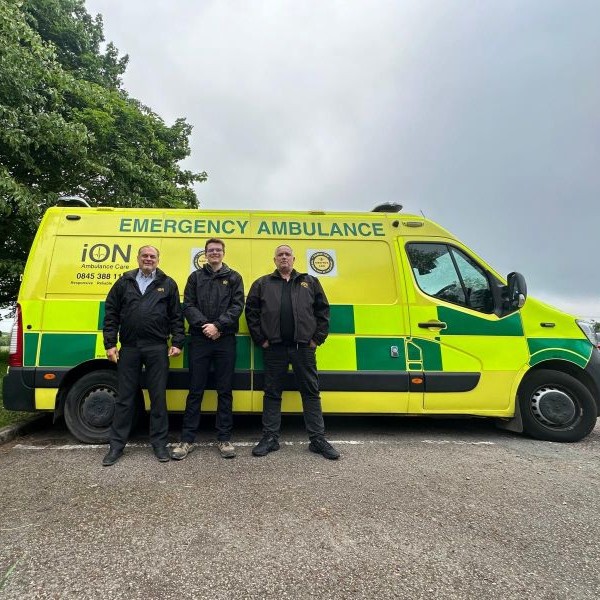
Boostworks, a leading provider of employee reward and recognition, benefits delivery and wellbeing solutions, today announced that it has been selected as the benefits provider for iON Ambulance CareBoostworks, a leading provider of employee reward and recognition, benefits delivery and wellbeing solutions, today announced that it has been selected as the benefits provider for iON Ambulance Care, trading as Tricorder Care. With over 180 dedicated professionals working across its five sites, iON ‘s goal is to significantly enhance employee engagement and retention by implementing a comprehensive benefits platform tailored to the unique needs of its frontline workforce. (more…)

Older workers will be essential in a changing global economy

Older workers will be essential in a changing global economy

A new report from consulting firm Bain & Company underscores the rising importance of older workers as global populations age and labour markets face growing talent shortagesA new report from consulting firm Bain & Company underscores the rising importance of older workers as global populations age and labour markets face growing talent shortages. The study focuses on the demographic of employees aged 50 and above, whose experience, stability, and institutional knowledge make them invaluable assets to businesses. It reveals that while older workers often demonstrate adaptability, problem-solving abilities, and a strong work ethic, organisations frequently overlook their contributions due to outdated stereotypes and rigid employment practices. (more…)

CIPD welcomes government’s ‘Get Britain Working’ strategy

CIPD welcomes government’s ‘Get Britain Working’ strategy

The Chartered Institute of Personnel and Development (CIPD) has expressed support for the UK Government's 'Get Britain Working' initiative, which aims to tackle economic inactivityThe Chartered Institute of Personnel and Development (CIPD) has expressed support for the UK Government’s ‘Get Britain Working’ initiative, which aims to tackle economic inactivity and promote greater inclusion within the workforce. However, the CIPD has urged the government to take more ambitious steps to elevate the status of apprenticeships and strengthen partnerships between employers and Jobcentres. (more…)