








October 6, 2017
Flexible ways of working are definitely on the rise and it suits all ages
 The majority (94 percent) of workers are open to flexible ways of working such as part-time, freelance, contract, temporary or independent contract work a new report from ManpowerGroup has revealed. Coining the trend as NextGen work, the research suggests this approach to a job is a choice (81 percent) not a last resort (19 percent). Findings from #GigResponsibly: The Rise of NextGen Work – a global survey of 9,500 people in 12 countries – identifies a shift towards this new way of getting work done, and that it works for people and employers. People were asked how they want to work, what motivates them and their views on NextGen Work. More control over their schedule (42 percent), boosting their bank account (41 percent) and developing new skills (38 percent) are top reasons why this flexible kind of work is on the rise. The report also found that this flexible approach is not just attractive to Millennials, as meaningful work and employer appreciation are valued more by Boomers than any other generation. More than 80 percent of US workers say NextGen Work is a choice, not a last resort, and builds resilience for less predictable futures.






 Work is the biggest barrier to taking regular exercise a new survey suggests, with 20 percent of people citing being too busy with work as the reason why they are not more physically active. The research, which is published by not-for-profit health body ukactive to mark today’s National Fitness Day 2017 also reveals that only 1 in 10 adults (12 percent) know NHS recommended physical activity guidelines and well over half of Brits spend at least six hours each day sitting down. In addition to shunning exercise, more than 64 percent of adults spend at least six hours each day sitting, be it at work, in front of the TV, commuting or on social media. The average UK adult also spends more than twice as much time sitting on the toilet as they do exercising, with the study of 2,004 British adults by ComRes reveals that British adults say they are on the loo for an average of 3 hours and 9 minutes each week, compared to just 1 hour and 30 minutes spent doing moderate exercise such as fast walking or riding a bike.
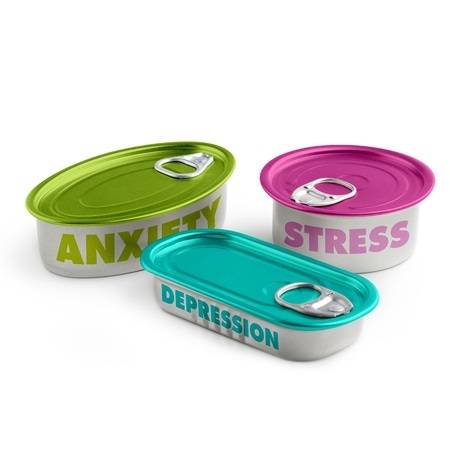
 UK workers are still uncomfortable about having honest conversations at work, with nearly two thirds (61 percent) feel they keep an aspect of their lives hidden in the workplace. The research from Inclusive Employers found family difficulties (46 percent) was the most likely hidden issue at work, followed by mental health (31 percent). One in five also admitted they would hide their sexual orientation while at work. It also found a generational divide, with 67 percent of employees aged between 18 -24 years old keeping something secret compared to 55 percent of those over aged 55 years or over. The data, released to mark National Inclusion Week 2017, found this lack of openness can have negative impacts on workers and employers, with over a quarter of workers (26 percent) admitting they would feel less connected to their workplace if they hid an aspect of themselves and 18 percent saying their performance would suffer.










October 2, 2017
Time to start a new culture to tackle stigma on mental wellbeing issues in the workplace
by Kate Cooper • Comment, Wellbeing
(more…)