



Search Results for: employer

Learning needs to be linked to overall business strategies says the CIPD

Learning needs to be linked to overall business strategies says the CIPD

Learning needs to be linked to overall business strategies says the CIPDThe CIPD has warned that Learning and Development (L&D) professionals need to link learning more directly to their organisation’s business strategies. This follows the results of its annual L&D survey which found that by limiting their focus to learner and manager feedback, just 7 per cent of L&D professionals evaluate the impact of their initiatives on the business. This lack of evaluation can contribute to skills gaps being undetected, particularly in the use of new learning technologies such as Gamification. The CIPD is urging L&D professionals to look beyond trainee satisfaction and measure initiatives in terms of how they add value to the organisation and society in general. This latest research follows the publication of a report by Skillsoft last week which revealed that 55 per cent of employers admitted they were more likely to recruit externally to address skills shortages.


(more…)

Understanding and overcoming the objections to sit stand workstations

Understanding and overcoming the objections to sit stand workstations

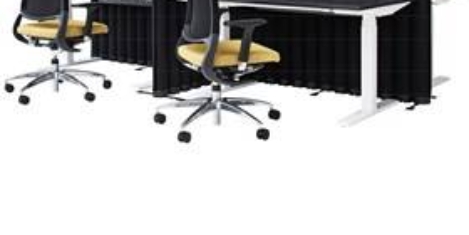
OberonWork10In Sweden, sit-stand working is so commonplace that our Nordic colleagues are perplexed by how slow the UK has been to catch up. The expectation of varying working positions throughout the day is so widespread across Scandinavia that over 80 percent of Swedish, Danish, Finnish and Norwegian office workers already use sit stand workstations, and offering employees a height adjustable work station is now mandatory in Denmark. Despite sit-stand working still being in its infancy in the UK, with only 2 percent of knowledge workers having access to height adjustable workstations, there is plenty of compelling evidence, and a groundswell of expert opinion, to suggest that the UK office is going to have to get off its backside pretty soon.

(more…)

Organisations advised to create a manifesto for digital workplace success

Organisations advised to create a manifesto for digital workplace success 0

Manifesto needed for the digital workplaceThe adoption of digital technology enables new, more effective ways of working which can help improve employee engagement and agility, research by Gartner claims. However, the report also warns that it’s important employers establish a ‘business manifesto’ that communicates the intentions and motives of the emerging digital workplace if they want to communicate and implement the policy changes that are required. According to the analysts, the manifesto should guide and clarify corporate culture as well as help employees embrace new ways of working. Employers must bear in mind that while corporate culture can be strong at the core, it may be less so for remote employees. That is why it’s important to foster a healthy digital workplace that brings the corporate culture alive to all employees.

(more…)

Many UK SMEs are falling short on green credentials, claims report

Many UK SMEs are falling short on green credentials, claims report 0

green_leaf-wideMany British small and medium sized businesses are putting their competitiveness and reputation at risk because they are not doing enough to improve their environmental credentials, according to a new report from Lloyds Bank Commercial Banking. The findings show that one in five (19 percent) of the firms surveyed for the study accept they are not doing enough to take on environmentally responsible practices and that although a quarter (25 percent) of SMEs say green issues are a top three priority for the year,  the vast majority (71 percent) admit they do not understand the positive impact environmental responsibility can bring. The report also highlights the mismatch in perceptions of environmental issues between those who have successfully implemented green policies and those yet to do so.

(more…)

Many ‘under-appreciated and marginalised’ older workers seek job move

Many ‘under-appreciated and marginalised’ older workers seek job move 0

Quarter of 'under-appreciated and marginalised' older workers considering job moveThe over fifties feel disregarded and under-appreciated at work, with a quarter considering looking for a new job in the next two years. That’s according to new data by AXA PPP Healthcare which looked at the experiences of the over 50s – many of which, since the phasing out of the default retirement age, aim to work on as long as they can. In fact, the research found that 15 per cent plan to work into their seventies and beyond. However, nearly a third of the over fifties (30 per cent) surveyed, said they didn’t feel they had a career path, compared with 13 per cent of those under fifty. Only one in six over fifties felt their line manager supported them and nearly half (49 per cent) of this group reported to a younger line manager.

(more…)

How remote working employees go rogue in search of productivity

How remote working employees go rogue in search of productivity 0

remote working 1930s styleAlthough many European employees now spend long hours each week working remotely, many of them don’t think their employers provide them with the tools they need to do their jobs properly and so go ‘rogue’ to find the best ways of communicating with each other and using information. That is the key finding of a new study from internal communications specialist Newsweaver which explores the ways remote working employees use mobile devices. It found that while one in five workers across the EU now spend at least ten hours a week working remotely, 41 per cent do not believe that the tools their company provides meet their needs. They therefore choose to use their own apps instead. This fact is well understood by IT teams with three out of four technology managers admitting they are offering staff outdated tools.

(more…)

The latest issue of Insight Weekly is available to view online

The latest issue of Insight Weekly is available to view online 0

Insight_twitter_logo_2In this week’s issue; the ten most sustainable buildings in North America; Mark Eltringham examines the ways different countries approach ergonomics. Steve Taylor looks at the evidence for doing less sitting and more standing at work, while a new report from the Work Foundation sets out the challenges facing the next UK government to improve the health of the country’s workforce. In news; Facebook almost doubles the size of its London HQ, the adoption of flexible working by UK organisations increases by over a third and new data shows that the UK office market is growing as employers strive to create environments designed to enhance staff wellbeing. Sign up to the newsletter via the subscription form in the right hand sidebar and follow us on Twitter and join our LinkedIn Group to discuss these and other stories.

Is it now time to take a stand on sitting in the workplace?

Is it now time to take a stand on sitting in the workplace? 0

standing in the workplaceThe search for wellbeing is taking over the workplace as companies look to attract and retain the very best talent. Bosting health, happiness and productivity in the office environment is now paramount to counter potential negative health effects and growing discontent from office workers. A key factor in this topic is the ill-effects caused by workers spending the vast majority of their day sitting inactive at their desks. Workers are now taking a stand in the office and companies are being forced to act. Recent research carried out by the American College of Cardiology reported that an office design that makes people sit at their desk or meeting room for hours every day is equally as bad as putting a cigarette in their hand; leaving them at raised risk of cancer, heart disease and diabetes.

(more…)

How local approaches to ergonomics redefine worldwide standards

How local approaches to ergonomics redefine worldwide standards

ergonomicsWe live in the Global Village, Marshall McLuhan’s construct of an electronically contracted world in which attitudes, cultures and our political, business and legislative framework begin to pull together. And yet still each nation is characterised by the little differences that set it apart from its neighbours and even nations on the other side of the globe. So while there are many common threads that bind workplace design in different countries many of the core issues that shape the way we design and manage offices, such as demographics, status, organisational culture, technology, legislation and corporate identity can  vary from country to country. The way these are viewed and the emphasis each country places on each of them shape how they manifest themselves in the local market.

(more…)

Flexible working and smart tools prove a big hit with UAE employees

Flexible working and smart tools prove a big hit with UAE employees 0

Flexible working in UAEIt’s not just in the UK where employees say they are attracted by the idea of flexible working. A new study from YouGov commissioned by the Dubai based Federal Authority for Government Human Resources (FAHR) claims that employees in the United Arab Emirates now rate employers most highly for the smart tools and flexible working opportunities they offer. The study of over 1,000 employees and HR professionals in the UAE was commissioned to uncover emerging trends in human capital management. It found that 64 percent of employees rate flexible working hours, provided by employers based on personal circumstances, as good or very good, which is particularly prevalent amongst Emirati respondents (83 percent). The majority of employees (74 percent) also believe a remote and flexible work schedule increases their productivity.

(more…)

UK’s health and social systems failing to improve workforce wellbeing

UK’s health and social systems failing to improve workforce wellbeing 0

workforce wellbeingA new report published this week by The Work Foundation, Healthy, Working Economies sets out the challenges facing the next UK government to improve the health and wellbeing of the country’s workforce. The report calls on the government to review how it is using local organisations, such as Health and Wellbeing Boards and Local Enterprise Partnerships to encourage improvements in workforce wellbeing and health. The Work Foundation recommends that a standardised set of measures be included in the Joint Strategic Needs Assessments performed by Health and Wellbeing Boards, including measures of employment outcomes for individuals with health issues. The report also suggests that employer leadership is needed to drive the step-change needed to improve the health of the workforce.

(more…)

New generation of mobile users do quarter of work on digital devices

New generation of mobile users do quarter of work on digital devices 0

Gen-M-230x190The provision of alternative places to work than the office desk is of particular relevance to a new demographic of worker, dubbed Gen M (because we need yet another one – Ed.), which is described in a new report from US based telecomms consultants MobileIron as either men aged 18-34 or people with children under-18 who rely heavily on mobile technology. On average, Gen M does more than a quarter (26%) of its work on smartphones or tablets, compared to non-Gen M professionals, who do 17 percent. Gen M also uses mobile for “shadow tasking,” doing personal tasks during work hours and work tasks during personal hours, the research from MobileIron reveals. Gen M mobile users are also keen to invest in the latest technology –  42 percent either own or plan to purchase a wearable device, such as the Apple Watch, and of those, 95 percent plan to use those devices for work tasks.

(more…)