







February 4, 2019
Largest ever speculative office development in Bristol gets green light
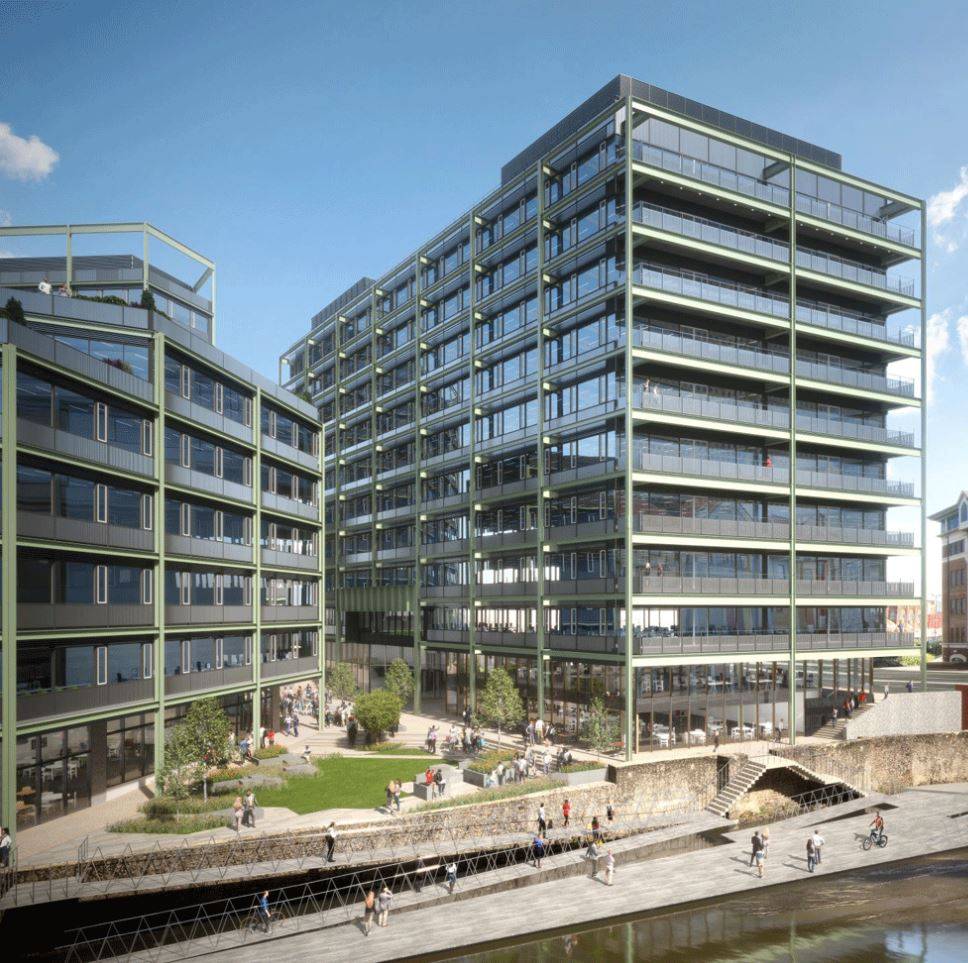 AXA Investment Managers – Real Assets (AXA IM – Real Assets), along with development manager Bell Hammer, is to commence construction of the initial phase of its 300,000 sq ft mixed-use Assembly Bristol regeneration project, having appointed Galliford Try as the main contractor. The construction contract and initial work has commenced for Building A which comprises 200,000 sq ft across 11 storeys with practical completion due in 2020. The building is claimed to a offer new archetype for Bristol office space; comprising multiple uses, and a range of flexible office spaces designed for both local and global businesses in the services, creative, consultancy, financial, media and technology sectors.





 New research has found that over 2 million UK workers think about quitting their job every day and this figure was significantly higher amongst younger workers, aged 18-24, with 12 percent of those surveyed stating they think about this daily. The research by CABA, a charity supporting the wellbeing of chartered accountants and their families, also highlighted that 38 percent of employees regularly encountered stressful situations at work. Women were most likely to feel this way, with 41 percent revealing they deal with stressful circumstances at least once a week. Comparatively, only 34 percent of male employees admitted to encountering such situations on at least a weekly basis. Many factors were cited as contributing to employees feeling stressed, including unrealistic expectations and unmanageable workloads. Regardless of how it manifests itself within the working environment it can have a negative impact on employee wellbeing, with over 1 in 10 (12 percent) missing at least 52 family events or personal commitments each year.
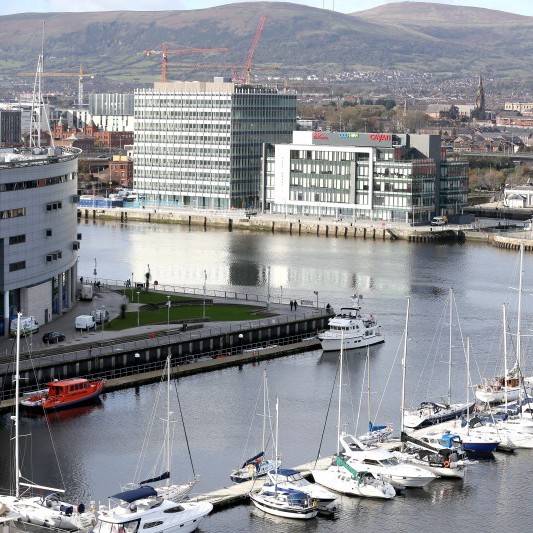
 The Northern Ireland office market had a record year in 2018, with a 100 percent increase in take-up, according to the latest figures from CBRE. The Northern Ireland (NI) office sector enjoyed its most successful year on record with 885,023 sq ft of take-up reported across 84 transactions, more than double that achieved last year. Notable office deals completed in 2018 included the PwC move to Merchant Square, Northern Ireland Civil Service at 9 Lanyon Place, Allstate at Mays Meadow, TLT at River House and Baker McKenzie at City Quays 2, which is part of Belfast’s City Quays mixed-use regeneration project. However, according to CBRE’s Real Estate Outlook report, the office market in NI is hampered by a severe lack of investment deals in the face of ongoing local, national and international political uncertainty. This means that while the real estate market in Northern Ireland generally has performed well in 2018, the investment sector experienced a decrease in activity as a resulting knock-on effect of the current political situation locally at Stormont as well as ongoing Brexit negotiations.












January 23, 2019
Work’s not working; to be productive we need to get creative
by Zoe Humphries • Comment, Workplace design
(more…)