





February 5, 2019
A morning adrenaline rush improves workplace productivity
 A new academic study has found the benefits of taking part in adrenaline boosting activities before work. Researchers from the University of Essex School of Sport, Rehabilitation and Exercise Science, tested workers from the International Quarter London (IQL), the gateway to Queen Elizabeth Olympic Park and discovered that taking a 40 second ride down the world’s tallest and longest tunnel slide at the ArcelorMittal Orbit improved levels of happiness, productivity, creativity, energy and focus in workers. The impacts of exercise on wellbeing have been well-documented; however, this is the first time that research has shown that similar affects can be achieved from a quick adrenaline boosting activity.

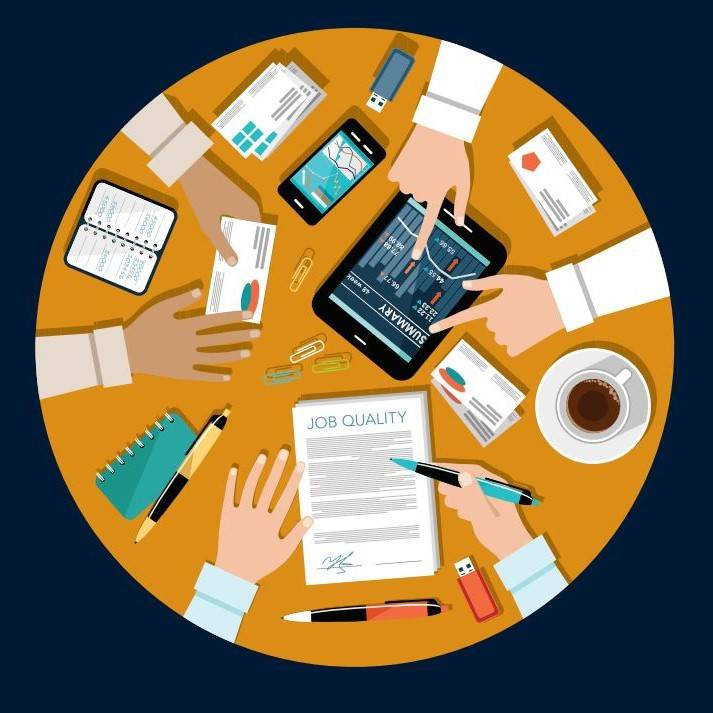

 New research has found that over 2 million UK workers think about quitting their job every day and this figure was significantly higher amongst younger workers, aged 18-24, with 12 percent of those surveyed stating they think about this daily. The research by CABA, a charity supporting the wellbeing of chartered accountants and their families, also highlighted that 38 percent of employees regularly encountered stressful situations at work. Women were most likely to feel this way, with 41 percent revealing they deal with stressful circumstances at least once a week. Comparatively, only 34 percent of male employees admitted to encountering such situations on at least a weekly basis. Many factors were cited as contributing to employees feeling stressed, including unrealistic expectations and unmanageable workloads. Regardless of how it manifests itself within the working environment it can have a negative impact on employee wellbeing, with over 1 in 10 (12 percent) missing at least 52 family events or personal commitments each year.

 A new survey into happiness at work suggests it is viewed differently according to age. Baby boomers: aspire to have job security and think careers are defined by employers. Gen X: aspire to have a work-life balance and although are loyal to a profession will not necessarily stick with the same employer. Millennials or Gen Y aspire to have freedom and flexibility and are digital entrepreneurs while Gen Z aspire to have security and stability. The report by Instant Offices’ considered what is important to each age group, and how employers approach the age gap. It found that eight in 10 millennials look for a manager to act as a mentor or coach; Baby boomers want a boss to be ethical, fair and consistent, while 61 percent of Generation X, and 55 percent of millennials, think team consensus is important.



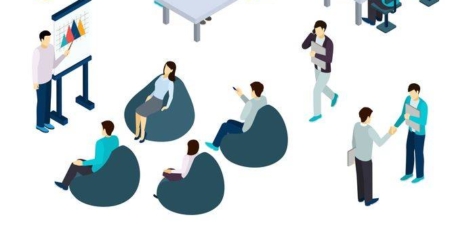






 Employee motivation levels appear to be the decline, with 29 percent of employees surveyed saying they were not motivated at work in 2017 compared to just 18 percent who said the same in 2016 the research report, “Living to Work” has claimed. Motivates Inc. has commissioned its employee motivation research for the past three years, surveying over 2,000 UK employees in full-time employment. The full data shows like-for-like how employees are feeling in the workplace and what hygiene factors have affected behaviours year-on-year. According to the latest data 71 percent of UK employees were motivated in 2017, which on its own shows a positive result, yet when you look at the motivational statistics from 2016 the data actually shows the percentage of motivated employees has dropped by 11 percent in just one year. That’s 220 more employees in an organisation of 2,000 who are not feeling good about their job.








January 23, 2019
Work’s not working; to be productive we need to get creative
by Zoe Humphries • Comment, Workplace design
(more…)