






September 28, 2017
How smart workplaces increase performance and attractiveness 0
 The workplace can and should be used as a strategic tool to support work and cooperation, to shape the experience of the brand and to produce competitive advantage for the organization. Even when not used as a strategic tool the workplace still affects all these parts and there is always a risk that the workplace has instead a negative impact if we are not aware of the relationship and really use workplace as a strategic tool to affect attractiveness, productivity, efficiency and sustainability. The workplace makes a great difference and it is becoming an important differentiator between successful and less successful organizations. I also strongly believe that the workplace management area is a key for us in the FM industry to bring FM to a higher level, to shift from cost focus to more value focus, and this is something we need to do together within the FM industry and we really should take the driver’s seat. But, let’s start from the beginning.

 Work is the biggest barrier to taking regular exercise a new survey suggests, with 20 percent of people citing being too busy with work as the reason why they are not more physically active. The research, which is published by not-for-profit health body ukactive to mark today’s National Fitness Day 2017 also reveals that only 1 in 10 adults (12 percent) know NHS recommended physical activity guidelines and well over half of Brits spend at least six hours each day sitting down. In addition to shunning exercise, more than 64 percent of adults spend at least six hours each day sitting, be it at work, in front of the TV, commuting or on social media. The average UK adult also spends more than twice as much time sitting on the toilet as they do exercising, with the study of 2,004 British adults by ComRes reveals that British adults say they are on the loo for an average of 3 hours and 9 minutes each week, compared to just 1 hour and 30 minutes spent doing moderate exercise such as fast walking or riding a bike.
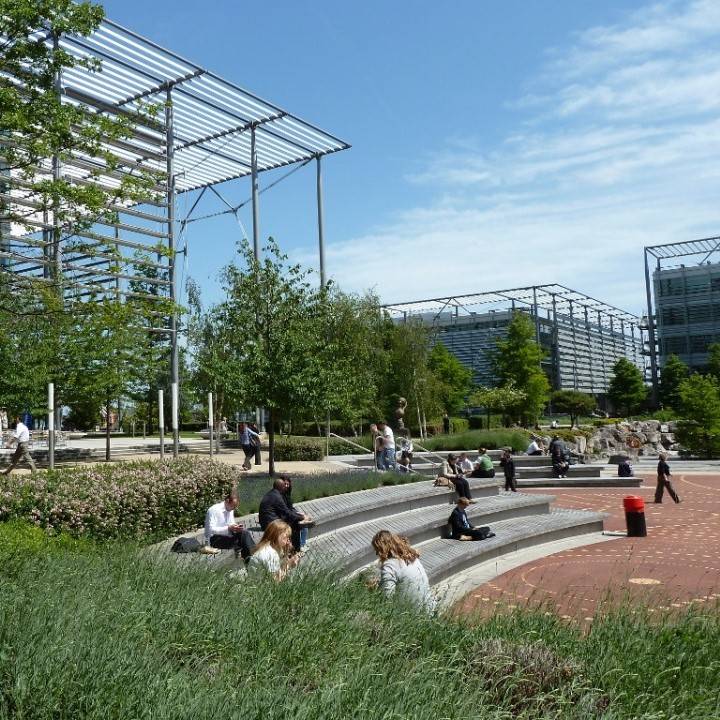

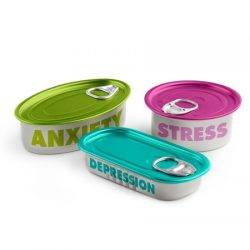 UK workers are still uncomfortable about having honest conversations at work, with nearly two thirds (61 percent) feel they keep an aspect of their lives hidden in the workplace. The research from Inclusive Employers found family difficulties (46 percent) was the most likely hidden issue at work, followed by mental health (31 percent). One in five also admitted they would hide their sexual orientation while at work. It also found a generational divide, with 67 percent of employees aged between 18 -24 years old keeping something secret compared to 55 percent of those over aged 55 years or over. The data, released to mark National Inclusion Week 2017, found this lack of openness can have negative impacts on workers and employers, with over a quarter of workers (26 percent) admitting they would feel less connected to their workplace if they hid an aspect of themselves and 18 percent saying their performance would suffer.


 The majority of UK employees (61 percent) do not feel encouraged by their employer to lead an active lifestyle, despite most managers agreeing that exercise positively impacts employees’ productivity (78 percent) and their ability to handle stress (82 percent) claims new research from AXA PPP healthcare. Of those British employees who do exercise after work, nearly half (46 percent) would prefer to do so before work but 79 percent blame a lack of time in the morning; yet for those who find time to be physically active before work, three quarters (75 percent) feel it spurs them on to be more effective in the morning while 69 percent feel more productive. More worryingly, nearly half of employees (45 percent) of employees admit they do not do the NHS recommended 30 minutes of daily exercise, five times a week, but finding time to be physically active during the working day can be difficult, or undesirable. Sixty?two percent of employees with good intentions to exercise at work find they’re cancelling their lunchtime exercise plans due to workload or work commitments.