







June 7, 2017
Coworking and the current French revolution in the workplace 0
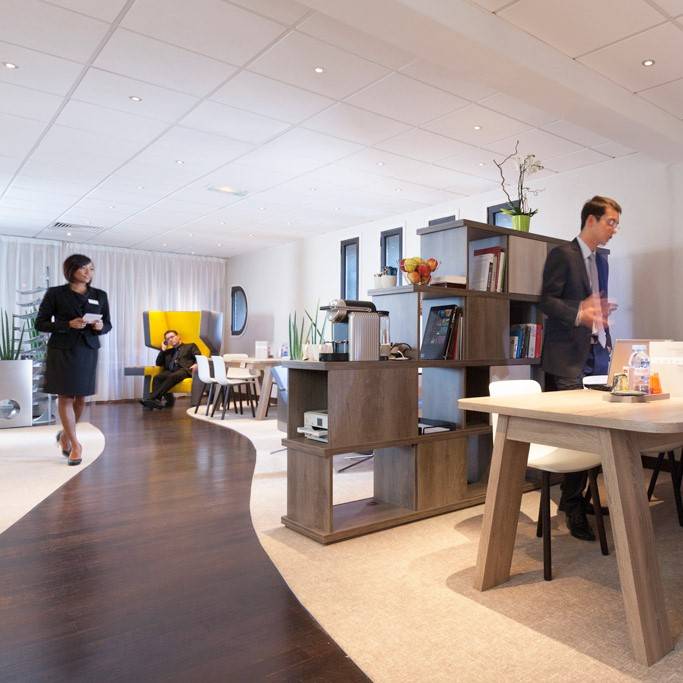 In France, we might have been the first to behead a King and hold a revolution, or to stand on barricades and die for ideals of justice and equality, but when it comes to change – especially in large organisations– we always seem to lag behind. You could blame it on a number of factors: a cultural bias towards tradition, the legacy of an interventionist and ever-present state, spawning bureaucratic models of large state-owned corporations, the everlasting grasp of the elites stifling innovation and the ability to “think outside the box”… Whatever this may be, the debate around remote working – a type of work organisation which allows employees to work regularly away from the office – in France has always been articulated around the preconception that France was behind. And that while its Anglo-Saxon or Nordic European neighbours displayed a boastful 30 percent of the working population as remote workers, France struggled to reach a meagre 9 to 10 percent in 2010.






 HR professionals will, on average, oversee 15 staff with mental health conditions each year, according to new analysis from consultancy, the
 One of the biggest concerns cited by many of those being polled on their views during the General Election campaign has been the high cost of living compared to wages. Now a new report claims that over half (55 percent) of employees are experiencing financial problems, which are affecting their behaviour, relationships and ability to perform at work. Although the nationwide study of the financial wellbeing of UK workers The DNA of Financial Wellbeing 2017 report, claims that nearly a third (32 percent) cite finance as their biggest concern; 66 percent of HR directors, think that financial worries are not of concern to their employees. The findings from Neyber, a financial wellbeing company, shows that 47 percent of workers are borrowing money to meet their basic financial needs, with 25 percent borrowing on a credit card, followed by 13 percent through a bank overdraft and 13 percent borrowing from friends and family. Meanwhile, an increase in so-called zero hour contracts means that nearly half (47 percent) of workers in the North and Midlands have an income fluctuation of more than 10 percent each month.















May 26, 2017
An overdue attempt to connect smart buildings with smart people 0
by Xenia Kingsley • Comment, Property, Technology
(more…)