







November 19, 2018
The most common workplace tactics for health promotion may be detrimental for overweight employees
 Workplace health promotion programmes that encourage employees to take responsibility for their own weight may have detrimental effects for employees with obesity, reveals a new study. These range from feeling increasingly responsible for their weight but perceiving they have less control over it, to increased workplace weight stigma and discrimination. Ironically, these effects could even lead to increased obesity and decreased wellbeing. Published in Frontiers in Psychology, the study finds these pitfalls could be avoided through programs focusing on the employer’s responsibility to maintain employee health.


 Figures from Macmillan show that almost 900,000 people of working age (16-64) are living with cancer – a figure expected to rise to over a million by 2030, while the HSE disclosed 600,000 workers needed time off in the past year due to suffering from work-related stress, depression or anxiety. Men are notoriously bad at checking their health but according to Bupa an increasing spotlight on issues such as prostate cancer and testicular cancer earlier this year led to an increase in male health assessment bookings. In March 2018, Bupa saw a 28 percent uplift in male health assessment bookings compared to the same time last year, and a 43 percent year-on-year increase in April 2018. But according to the healthcare provider, employers must more efforts to help create a culture where male workers can open up about mental or physical problems.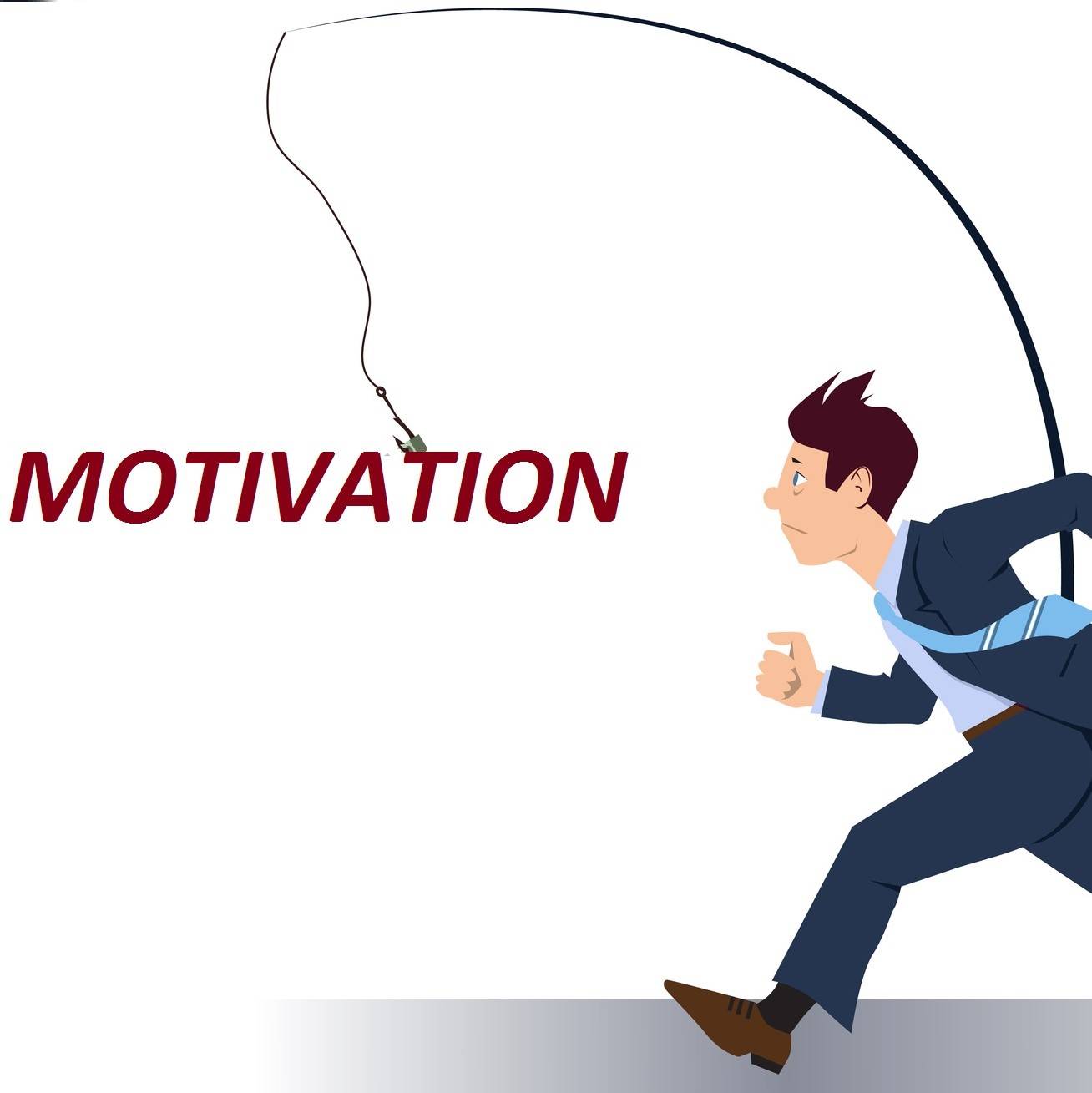
 Over seven in ten UK employees want their employers to do more to motivate them claims a new study from Reward Gateway which suggests that some of the alarming effects that being unmotivated has on employees included a worsening in mood (60 percent); reduction in productivity levels (48 percent); declining mental health (46 percent) and a reduction in quality of work (40 percent). Over a quarter (26 percent) say their relationships with family and friends suffer and 2 in 10 admit to drinking more alcohol when lacking motivation.

 Today is World Mental Health Day and new research from Bupa has found that concerns over mental health is not confined to adults, as a third of employees say they worry about their children’s mental health while at work. The research, conducted among working parents of 4-18 year olds reveals that children’s mental health is among parents’ greatest concerns, on par with physical health and academic performance. The only concern that ranks higher is future financial prospects.
 The majority of employees (77 percent) agree that people should take proactive steps to manage their mental health a new survey has revealed. Of those surveyed, the vast majority felt that there is increased awareness about mental health (87 percent) and that people are more willing to talk openly about mental health issues than they were a few years ago (82 percent). The impact of high-profile people speaking out about their own mental health challenges was believed to be the biggest influencing factor, cited by more than half (53 percent) of respondents.














October 26, 2018
We need to move on from the stigma of mental health to finding solutions
by Gary Helm • Comment, Wellbeing
(more…)