







June 8, 2018
Flexible office space is becoming mainstream as demand grows
 The provision of flexible office space is increasing as landlords look to capitalise on its increasing demand by occupiers. Alongside this a significant proportion would be happy to work in partnership with a flexible office space provider. According to a new study; UK Landlords & Investors Embrace the Flexible Revolution from CBRE, the majority of UK landlords (92 percent) believe that flexible office space is on the brink of becoming mainstream and are not only keen to monitor but respond to the growth of flexible office space. Over three quarters (77 percent) of survey participants stated that they are currently considering some form of flexible provision, with 79 percent declaring an intention to act within the next 12 months. (more…)



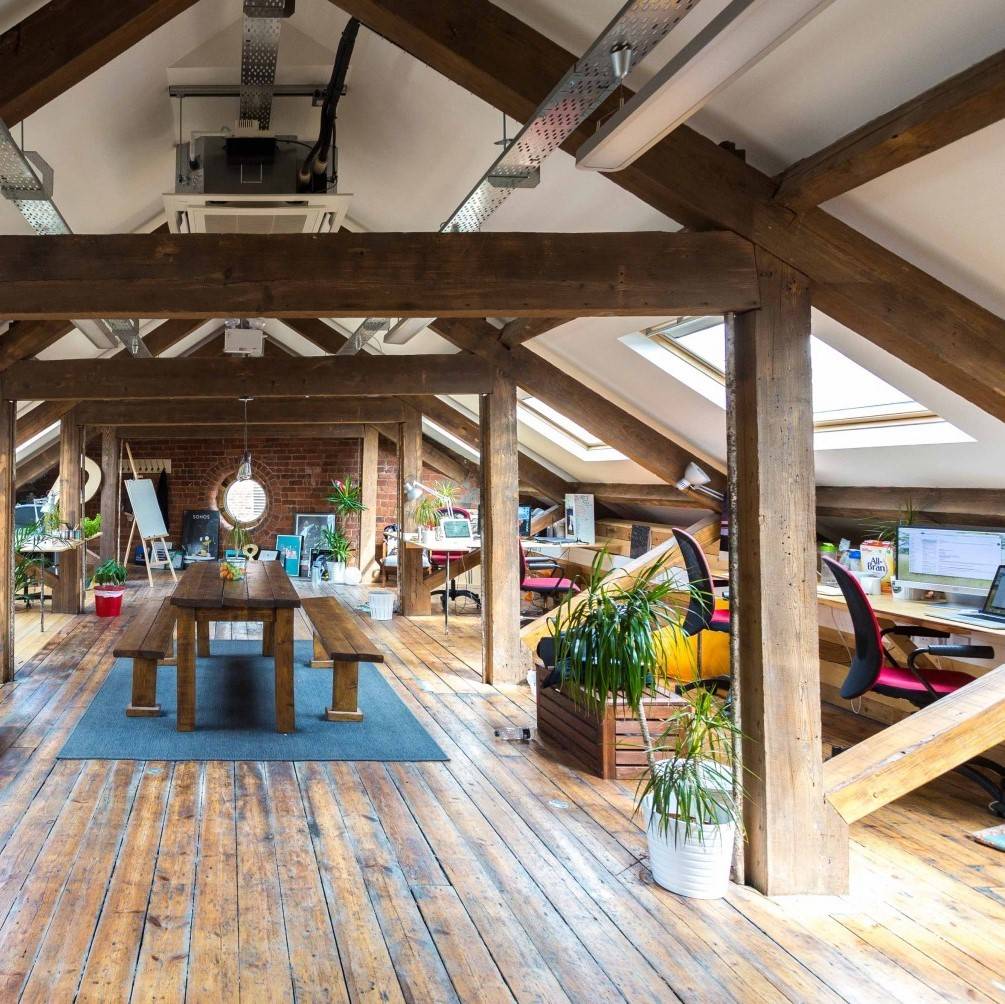

 Demand for commercial office space in central London has remained above the long-term average, with the amount of space under offer increasing, though the level of supply in the West End has continued to decline, according to the latest figures from Savills. Take-up in April reached 275,473 sq ft across 24 transactions, bringing take-up for the first four months of the year to 1.3m sq ft. The volume of transactions to complete over the month was the lowest for April in five years but overall year-to-date take-up still remained up on the long-term average for this period by 13 percent.
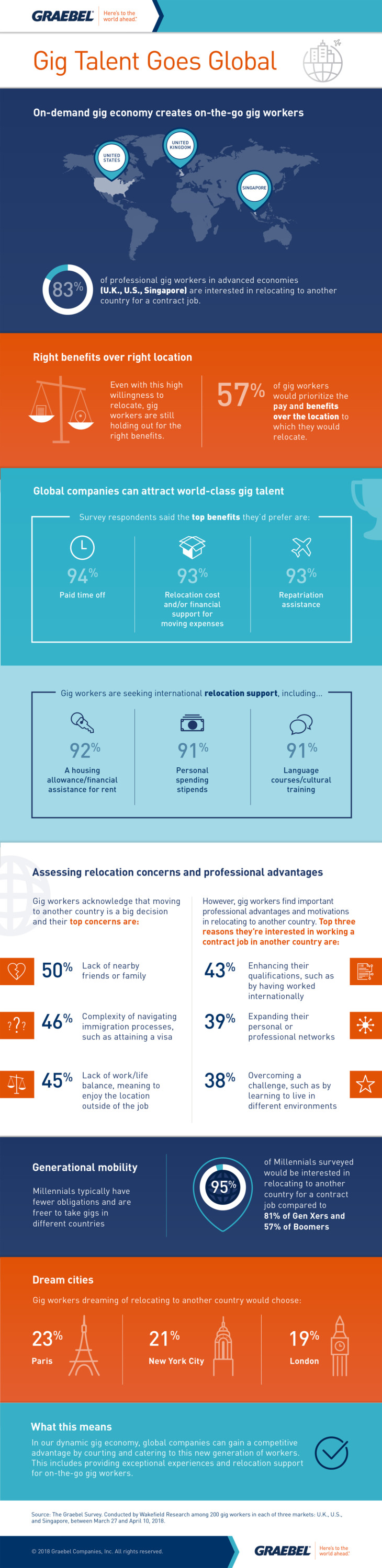
 UK businesses are already one of the top employers of short contract “gig workers” at an international scale and with Brexit just around the corner, a new

 With companies holding ever greater amounts of data and facing heightened scrutiny through social media, employers need to consider the wider implications of their business decisions. This was the message of the President of the











June 4, 2018
Your happiness at work is not just down to your employer
by Cary Cooper and Ivan Robertson • Comment, Wellbeing, Workplace design
(more…)