







June 4, 2018
Your happiness at work is not just down to your employer
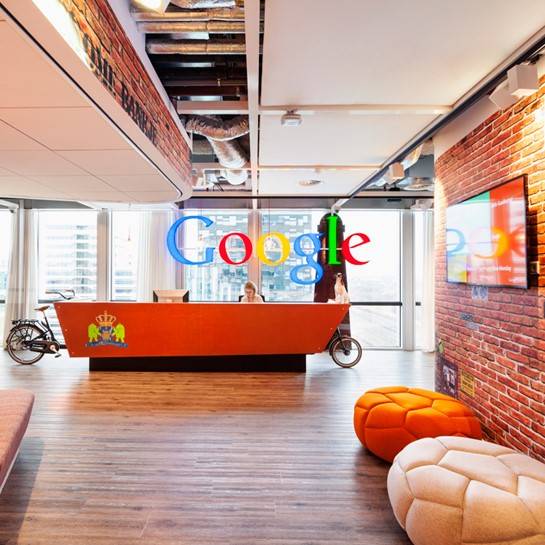 When Google promoted a software engineer named Chade-Meng Tan to the role of “Jolly Good Fellow”, his career – and the entire culture of Silicon Valley – took a sharp turn. Meng, a cheerful employee valued for his motivational qualities, went from developing mobile search tools to spreading happiness across the organisation. Happiness became his job. Google wasn’t the first to hire someone with the sole remit of enforcing employee contentment. In 1999, when Google was still a start-up, French fashion brand Kiabi hired Christine Jutard as its chief happiness officer. She was one of the first to perform the role. But once Google did it, happiness at work became a key metric and other organisations quickly adopted their approach. Three years after Meng’s appointment, fast food giant McDonald’s even promoted Ronald McDonald from brand mascot to CHO.


















June 11, 2018
Coworking is breaking away from its cultural and geographical stereotypes
by Gary Chandler • Comment, Property, Technology, Workplace design
(more…)