








April 28, 2017
Presenteeism can have as negative an impact on the workplace as absenteeism 0
 Employees coming into work when sick are contributing to a rising trend of ‘presenteeism’ across the UK, with more than half (52 percent) of UK workers admitting to going to work when their performance is negatively affected by work-related health issues, a new survey claims. A third (34 percent) of workers have even considered moving jobs due to the negative impact of their work environment on their health – the highest percentage across Europe. The report from Fellowes, published to coincide with World Day for Safety and Health at Work, argues when a worker is present but not able to perform their function properly, it compromises their productivity. With most employees continuing to work at sub-par levels rather than taking days off to recover, this also prolongs the effect of illness. Subsequently, businesses are experiencing a detrimental knock-on impact on the quality and volume of work produced, with a further impact on overall business performance.




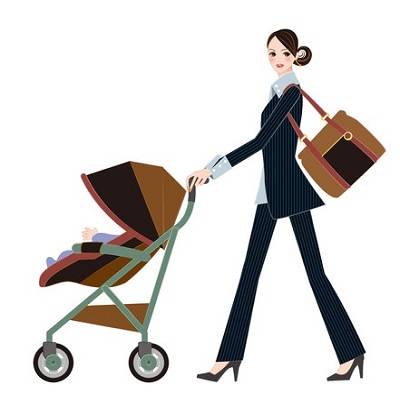
 A new piece of academic research provides more evidence that the underlying reason for the gender pay gap is the discrepancy between the way women with children are treated compared to men, and other women without children. According to new research from Université Paris-Saclay, mothers are paid 3 percent less for every child they have compared to their female colleagues who do not have children, while fathers suffer no such penalty at all. The figures were compiled from a 16-year study of data from organisations in the French private sector between 1995 and 2011 by Lionel Wilner, Director of Graduate Studies at engineering and statistics school ENSAE, a founding member of Université Paris-Saclay. He separated the effect of childbirth from other firm-specific wage determinants, and accounted for full-time and part-time work, to find that the difference between mothers and non-mothers is approximated a 3 percent lower hourly wage. The effect was found to be more pronounced after the birth of the first child.

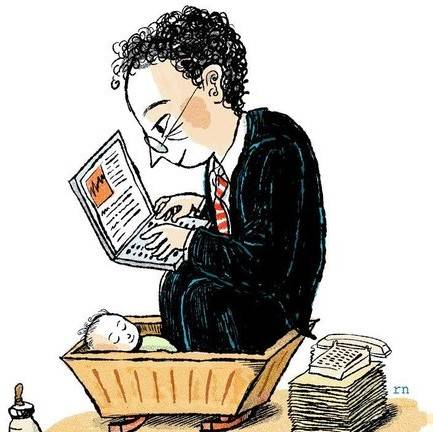
 It is two years since the introduction of Shared Parental Leave (SPL), where couples were given the ability to share leave surrounding the arrival of a new addition to their family; and while sharing leave is seen to have a profound beneficial impact for the family, there are still plenty of barriers. According to











May 1, 2017
Fresh concerns raised about council investments in commercial property market 0
by Mark Eltringham • Comment, Property, Public Sector
(more…)