







April 27, 2018
Faced with era of AI, employers focus on skills and employees crave jobs with purpose
 According to Mercer’s 2018 Global Talent Trends Study – Unlocking Growth in the Human Age, 96 percent of UK companies have innovation on their core agenda this year and 92 percent are planning organisation design changes. At the same time, employees are seeking control of their personal and professional lives, with more than half asking for more flexible work options. As the ability to change becomes a key differentiator for success in a competitive global climate, the challenge for organisations is to bring their people along on the journey, especially as the top ask from employees is for leaders who set clear direction, claims the report.

 One in four working people aged 55+ with a health condition are considering leaving work as a negative culture and bureaucratic procedures put many off speaking to their employers until a crisis point. This is according to a new report from Ageing Better, ‘Health warning for employers: supporting older workers with health conditions’, which claims that employers are not properly supporting older workers experiencing long-term physical and mental health conditions. Health is the most important factor affecting older workers’ decisions to stop working before reaching State Pension age. Ageing Better’s research finds that early access to support, small adjustments to the workplace and working patterns, and empathetic management are crucial to enabling people to manage their health at work and remain in employment. But the research also found that workers are often put off speaking to employers until the last moment due to poor workplace culture and overly bureaucratic procedures.







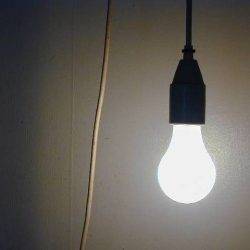 Over a third of workers are adversely affected by a lack of natural light in their office, others complain that the lighting is too bright and a significant proportion say the quality of light provided is so weak they struggle to read. This is according to a new poll which quizzed employees about the difficulties associated with workplace lighting and found that headaches and dizziness were a problem for one in seven. Other employees reported finding the lighting too bright and dazzling (12.4 percent), while one in 10 said they had to strain their eyes due to a general lack of light. A similar proportion said they were bothered by the position of the lights and by the ‘stressful environment’ created by their workplace lighting (9.3 percent each). The findings come as reports of ‘sick building syndrome’ — a condition associated with office work that causes symptoms including headaches and respiratory problems — continue to hit the headlines. Such symptoms are usually attributed to unhealthy or stressful elements of the working environment, such as poor ventilation and lighting.
 Cities in emerging markets, though challenged by economic and political turmoil, are catching up with top ranking cities following decades of investing in infrastructure, recreational facilities and housing in order to attract talent and multinational businesses, finds Mercer’s 20th annual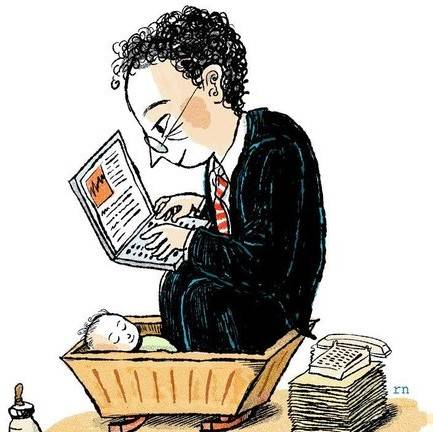
 The challenge to achieve gender equality at work isn’t made any easier by the attitudes of some employers. Although men increasingly want to be more present at home, currently fathers are








March 20, 2018
Enter the MIPIM bandwagon, towed by pink elephants
by Anna King • Comment, Property, Technology
(more…)