






June 28, 2018
Ten demonstrable truths about the workplace you may not know
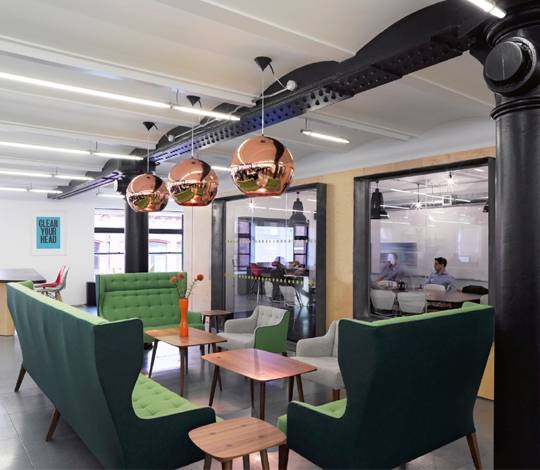 The science of the workplace has gained a lot of interest over the last few years, highlighting recurring patterns of human behaviour as well as how organisational behaviour relates to office design. In theory, knowledge from this growing body of research could be used to inform design. In practice, this is rarely the case. A survey of 420 architects and designers highlighted a large gap between research and practice: while 80 percent of respondents agreed that more evidence was needed on the impact of design, 68 percent admitted they never reviewed literature and 71 percent said they never engaged in any sort of post-occupancy evaluation. Only 5 percent undertake a formal POE and just 1 percent do so in a rigorous fashion. Not a single practitioner reported a report on the occupied scheme, despite its importance in understanding the impact of a design.



 Almost 60 percent of UK employees are unable to identify key symptoms of the most common mental health conditions resulting in treatment delays for millions of workers. A new study from Bupa examined employees’ understanding of key psychological and behavioural symptoms of six of the most prevalent conditions in the UK, as well as identifying widely-held misconceptions. The research reveals that inaccurate assumptions have caused almost seven million people to delay seeking support for a mental health problem. Early diagnosis and treatment of conditions can improve recovery rates which is why medical experts at Bupa want to raise awareness of the accurate symptoms.






















July 5, 2018
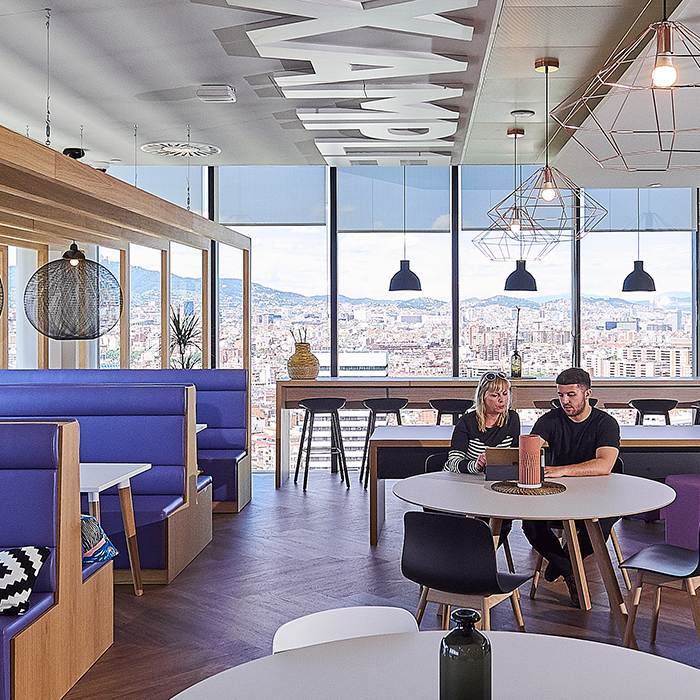
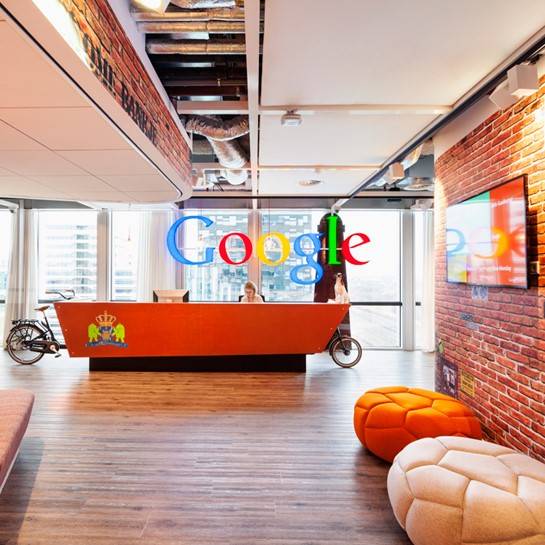
Why a Google office simply does not work for everybody 0
by Dr Caroline M. Burns • Comment, Facilities management, Technology, Workplace design
(more…)