










May 1, 2019
Tech workers would quit jobs for better work-life balance
 The tech sector is facing high departure rates as employees’ complain of work impinging on their home life, coupled with a lack of learning & development opportunities. It’s been estimated that vacancies already outweigh skilled talent in the UK tech industry, where there are an estimated 600,000 vacancies. Yet nearly two-thirds (62 percent) of tech workers say they would quit their job to achieve a better work-life balance. The research from CWJobs of over 1,000 IT workers also discovered that this is even more important to Gen Z (aged 16-24), where seven in 10 (72 percent) would leave a company if this was compromised.


 The UK now ranks tenth globally when it comes to happiness in the workplace. Austria (690), Spain (682), United States (719), France (672) and Germany (675) are all above the UK in rating workplace happiness. To date, over 10,000 people globally have taken the free
 BSRIA has launched a new guide that aims to inform those involved in the design, construction and operation of a building about how an effective Business-Focused Maintenance (BFM) regime can be developed and achieved through the Soft Landings approach. The topic guide on Soft Landings and BFM is written as an ‘at a glance publication’ to give readers a glimpse of the subject and recommends further reading.
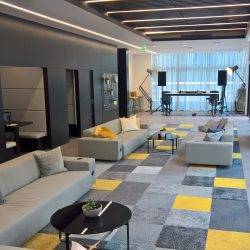 The UK’s regional cities are competing harder than ever with London to become the location of choice for the tech sector. According to CBRE’s report
 Insecure managers who worry that their performance could be undermined by competent subordinates can end up ostracising talented employees they feel are a threat to their own position. According to an paper published in




 New guidance has been launched by the UK Green Building Council (UKGBC) to assist client organisations to include more ambitious circular design and construction best practices in project briefs for non-domestic projects. It addresses the commercial realities associated with making this practically happen and provides support and evidence to assist clients in setting clear strategies that ensure budget, project timescales and risks are all minimised and mitigated. The guidance may also be helpful for those in the supply chain looking to support construction clients on their journey towards specifying and practically applying circular economy principles.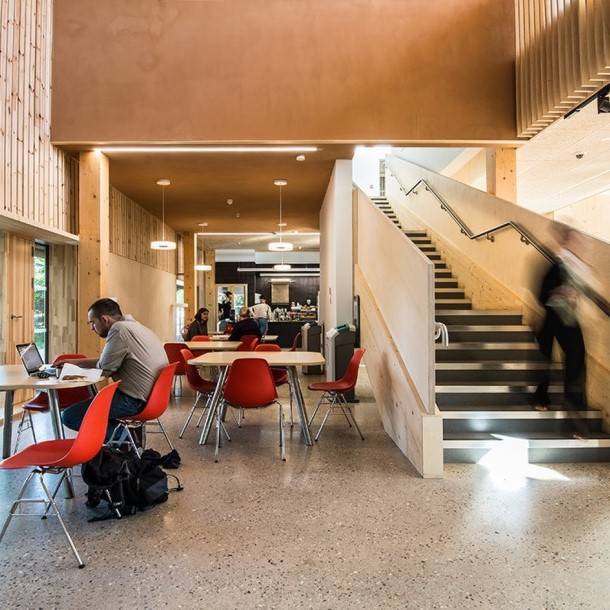


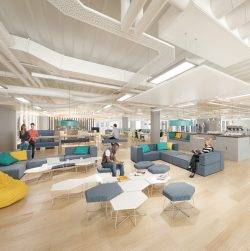 The corporate appetite for flexible space continues to grow as around two-thirds of occupiers rank employee engagement (68 percent) and talent attraction & development (65 percent) as two of the three most important drivers of corporate real estate (CRE) strategy. According to the 2019 EMEA Occupier Survey by CBRE over a third of companies see labour and skills shortages as a key strategic challenge, double last year’s result. In line with last year’s survey, technology disruption (36 percent) economic uncertainty (43 percent) and cost escalation (31 percent) all feature highly as key challenges for occupiers.