







April 14, 2017
Gender pay gap legislation may be aiming at the wrong target, claims report 0
 Britain’s new gender pay gap legislation is addressing the wrong issue and so will fail to do what it sets out to do, according to a new report from executive search firm Korn Ferry Hay Group. The firm claims that its analysis of over 570,000 people on its UK database shows that the gender pay gap is “virtually non-existent” when men and women do the same job at the same level in the UK, but that the differences become pronounced in senior and executive arenas. The study backs up data from the Office for National Statistics which recently began publishing details of pay differentials by age and sex and the results are eye opening. The most startling finding was that women in their 20s and early 30s earn slightly more than men of the same age and in the same job. However, as people get older, the pay gap goes into reverse, with men marginally out earning women at the age of 35, with the pay gap then widening rapidly into early middle age. As we reported earlier this week, the major issues arise both at a senior level of organisations and when women start families and begin paying a ‘motherhood penalty’ in terms of their pay and careers.



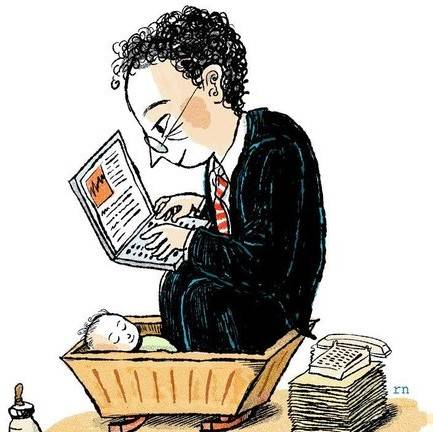
 It is two years since the introduction of Shared Parental Leave (SPL), where couples were given the ability to share leave surrounding the arrival of a new addition to their family; and while sharing leave is seen to have a profound beneficial impact for the family, there are still plenty of barriers. According to



 UK employers are unprepared for gender pay gap reporting legislation, with more than a third (32 percent) failing to review salaries across genders to safeguard against pay discrimination. This is despite the fact that the Equality Act 2010 (Gender Pay Gap Information) Regulations 2017 come into force later this week (6th April) which will require UK companies with more than 250 staff to keep records of gender pay and bonuses. Totaljobs’ survey of 4,700 employees and 145 employers found that 82 percent of companies are not reviewing their gender equality/equal pay policy and 58 percent don’t have salary information available across roles and genders. Little more than half (53.1 percent) of employers feel “very confident” that salaries are equal across the genders. While employers will be required to keep salary records, the research showed men are currently more likely to receive a bonus than women and typically receive more. In the past year, 43 percent of men received a bonus of £2,059, on average, versus 38 percent of women, who, on average, received £1,128.













April 12, 2017
Research shows how the gender pay gap can be directly related to motherhood 0
by Sara Bean • Comment, Flexible working, News, Workplace