





August 2, 2018
Extending reporting requirements may help close gender pay gap say MPs

Employers should be required to publish a narrative and action plan under Gender Pay Gap reporting requirements, the inquiry on executive pay and the gender-pay gap by the Business, Energy and Industrial Strategy (BEIS) Select Committee has recommended today. It has found that the requirements to publish data which came into force in April this year represents a ‘small but welcome step towards ensuring that women can make their fullest possible contribution in the workplace and to the economy’, but it calls for the Government to be more ambitious. Detailed statistics should be provided to aid analysis and organisations should explain what they are doing to tackle their gender pay gaps. Under the new rules employers would have to provide some narrative reporting alongside their gender pay statistics, with an action plan setting out how pay gaps are being and will be addressed, including objectives and targets. Subsequent reports would include progress against this action plan, including targets set. (more…)

 Employers need to recognise the workplace as integral to delivering a business’ commercial strategy, and treat employees as ‘workplace consumers’ – creating ‘frictionless’ experiences and environments that help them perform to their best ability. This is according to a report: ‘Optimising performance: defining, designing, maintaining and evolving workplace experiences’ from Interserve, undertaken in partnership with Advanced Workplace Associates (AWA). The two-year study into the science behind effective working environments argues there is a need to radically re-envisage workplaces to optimise team productivity and maximise the value of physical working environments. It sets out a series of critical steps for knowledge-based businesses to revolutionise the workplace – and thereby aid employee performance. The report argues that traditional silos, from IT and HR to facilities, need to be broken down to integrate the management of the workplace as part of a ‘one-team’ approach; doing so will ensure companies can deliver a streamlined workplace experience which supports employee productivity.





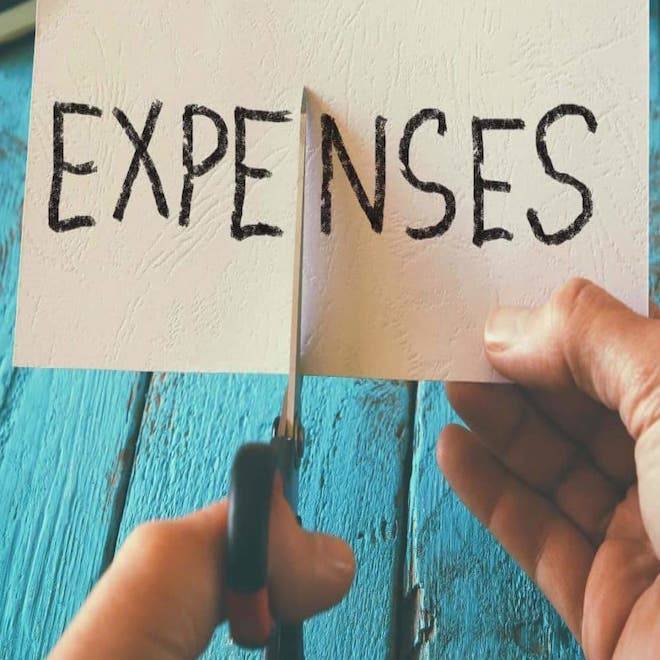
 Long corporate lunches were once the cornerstone of the corporate expense account, but new figures show just 13 percent of today’s workforce claim expenses for lunch at a restaurant, compared to 36 percent of those in the 1970s and 37 percent in the 80s. The data, released by Barclaycard, also claims that just 10 percent claim dinner at a restaurant with a client on their expenses. This is less than half the proportion who did so in the 1960s (34 percent), 70s (27 percent) and 80s (28 percent). Employees are also less likely to catch up with clients over drinks, with just seven percent regularly footing the bill for a round – approximately a quarter of the proportion who say they did so in the 1980s (27 percent). The expense management process itself has also become more formal, with a clear shift to self-service – almost two-thirds of today’s employees file their own expense claims compared to just over a third in the 1960s.

 Sexual harassment in the workplace is widespread and commonplace, with unwanted sexual behaviours such as sexual comments, touching, groping and assault seen as an everyday occurrence and part of the culture in workplaces, and the Government, regulators and employers are failing in their responsibilities to tackle the problem says an influential group of MPs. Employers and regulators have ignored their responsibilities for too long, found the Women and Equalities Committee following a wide-ranging six-month inquiry and often legal protections are not available to workers in practice. The Committee found that despite 40 percent of women and 18 percent of men having experienced unwanted sexual behaviour in the workplace there has been a failure to tackle unlawful behaviours, despite the Government’s obligations under international law. The report calls on Government to focus on five priorities to put sexual harassment at the top of the agenda for employers.
 At the risk of stating the obvious, with the Met Office suggesting temperatures could reach their peak on Friday (27 July) in some areas of the UK, Britain’s largest employer organisation is encouraging companies to consider ‘a range of measures to keep employees comfortable during the heatwave’. Matthew Fell, CBI Chief UK Policy Director, said: “While the current hot spell has provided welcome fillip for consumer-facing sectors, large numbers of employees are feeling the heat as they carry out their day-to-day tasks, especially those working outdoors. Responsible employers take the welfare of their employees very seriously, particularly during this unusual weather. Companies can help keep their employees cool by considering a range of measures, from flexible working to help those with punishing commutes to relaxed dress codes, so staff feel more comfortable in their place of work. Ultimately a common sense approach is needed, as some employees will have less flexibility than others, for example those wearing safety equipment on construction sites. In all cases, staff should have easy access to drinking water as temperatures soar to help keep them healthy and productive.”