







January 21, 2022
Half of companies still not ready to meet the demand for flexible working
 Companies are unprepared for the structural shift to flexible working and must do more to create responsible, personalised and experiential workplaces, a new report from JLL suggests. Intensive experimentation and piloting are needed to achieve flexible working models that will deliver a unique workplace experience for all. The JLL research claims that globally organisations are looking to continue flexibility for where and when people work with 82 percent expecting employees to work remotely into the future at least part of the time – spending on average two days every week away from the office. Yet 48 percent of organisations in Europe Middle East and Africa (EMEA) still have not developed a future of work programme to meet the rising demands and expectations of their staff for greater work flexibility, exceptional and sustainable workplaces and increased wellbeing. (more…)
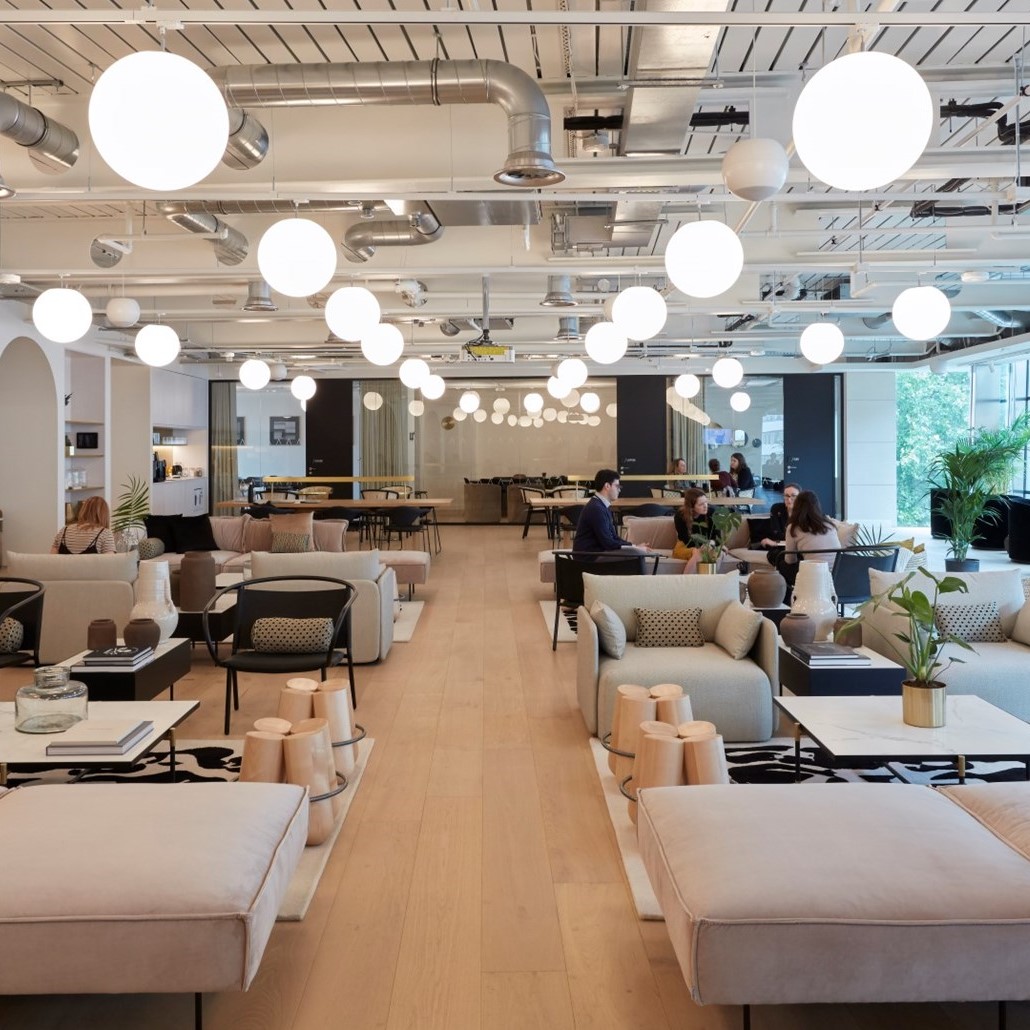
 Members of flexible workspace provider
 That’s right. A New Year and still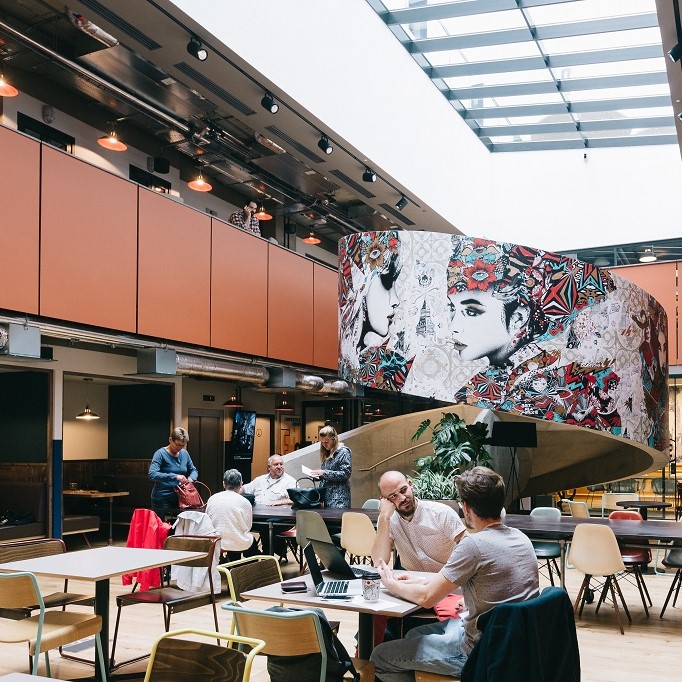
 According to
 The UK Green Building Council (
 The
The 
 A new guide to decarbonising public sector buildings and creating a net zero public estate has been launched by the Cabinet Office. The authors of


 Manchester’s office market could see a boost thanks to its 22,850 SME businesses says
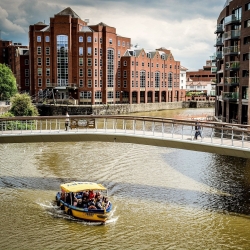 Six of the UK’s key regional economic centres risk not achieving their net zero targets, unless significant action is taken to upgrade and improve their commercial property in the next 10 years, according to new analysis by JLL. The report,
 Throughout the pandemic, we have had to constantly adapt to new models of work and a new working culture. And what makes this process even more challenging is that we’re having to work against a backdrop of uncertainty at every turn. Business leaders that are emerging from the pandemic successfully have been clear on priorities throughout and know how to balance them. This is certainly easier said than done but is integral to leadership as we enter the next chapter of workplace transformation.









January 17, 2022
Is your office worth the journey it takes to get to it?
by Despina Katsikakis • Comment, Flexible working, Property