To provide the best experiences, we use technologies like cookies to store and/or access device information. Consenting to these technologies will allow us to process data such as browsing behaviour or unique IDs on this site. Not consenting or withdrawing consent, may adversely affect certain features and functions.
The technical storage or access is strictly necessary for the legitimate purpose of enabling the use of a specific service explicitly requested by the subscriber or user, or for the sole purpose of carrying out the transmission of a communication over an electronic communications network.
The technical storage or access is necessary for the legitimate purpose of storing preferences that are not requested by the subscriber or user.
The technical storage or access that is used exclusively for statistical purposes.
The technical storage or access that is used exclusively for anonymous statistical purposes. Without a subpoena, voluntary compliance on the part of your Internet Service Provider, or additional records from a third party, information stored or retrieved for this purpose alone cannot usually be used to identify you.
The technical storage or access is required to create user profiles to send advertising, or to track the user on a website or across several websites for similar marketing purposes.









 Pent-up demand on hold in 2020 has returned with office take-up in the first half of this year nearly a quarter above the five-year average, according to Savills‘ data. Demand is outstripping supply with a development pipeline equal to five months take up in an average year said the property agent. (more…)
 The UK Green Building Council (UKGBC) has responded to the Intergovernmental Panel on Climate Change’s (IPCC) Sixth Assessment Report, referring to it as a massive wake-up call. At the end of last year, the organisation set out
 A new report from the
 With A level results day marking a new cohort of young people entering the toughest labour market for a generation, the
 More than two thirds (68 percent) of over-55s feel that the job market is closed to them, despite one in four wanting to work into their 80s, according to a study commissioned by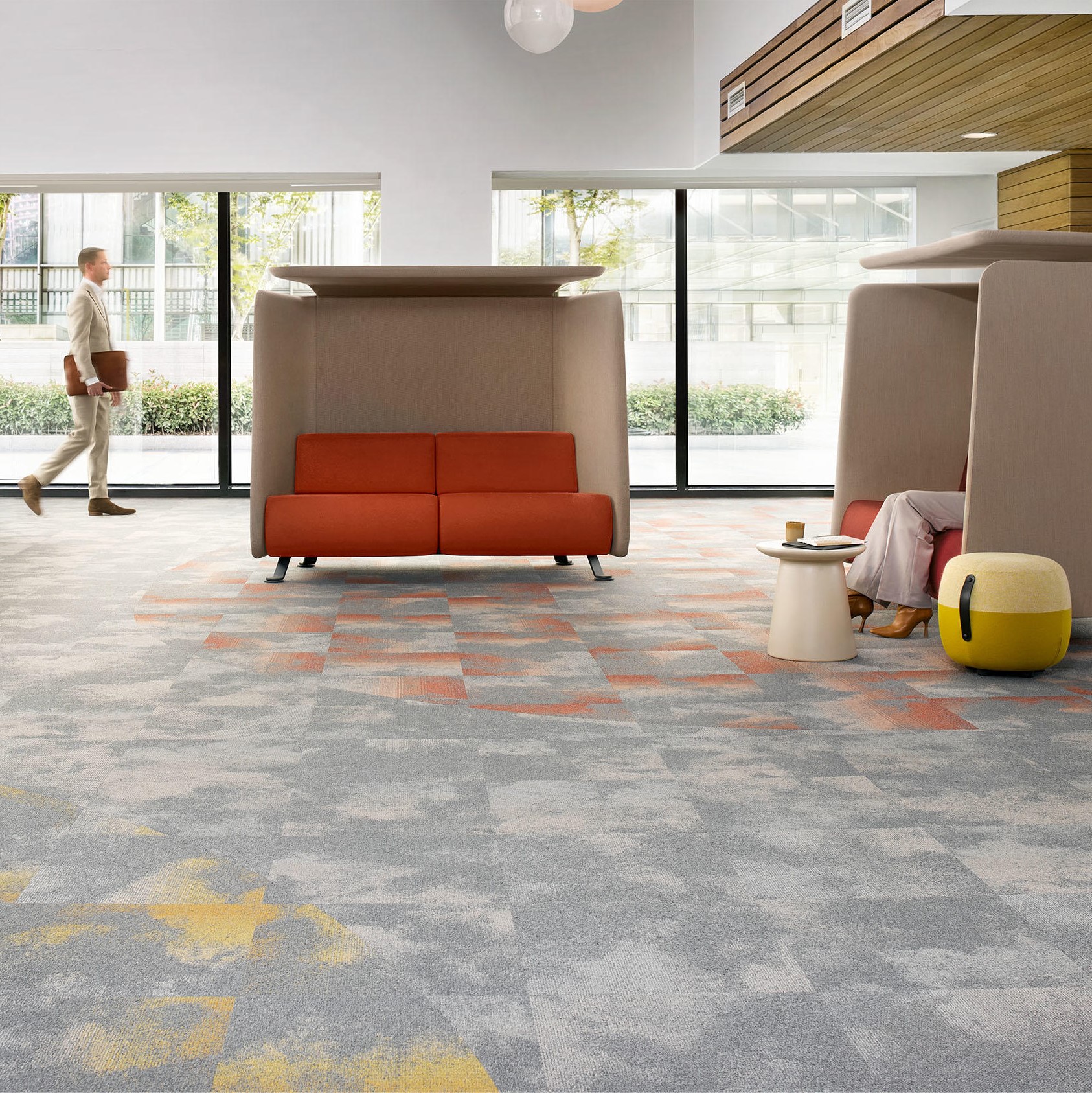
 Working from home has not only laid bare just how much we miss interaction with colleagues, but also how the office could and should support employees to work and feel better, so that they will not only feel safe to return, but will want to return. Through
 One of the least talked about potential casualties of the recent lockdowns is the printed page. In a sign that the arrival of the paperless office may have been accelerated, total worldwide page volumes printed from office and home devices plummeted nearly 14 percent year in 2020 after several years of stable but slow decline. According to the research from

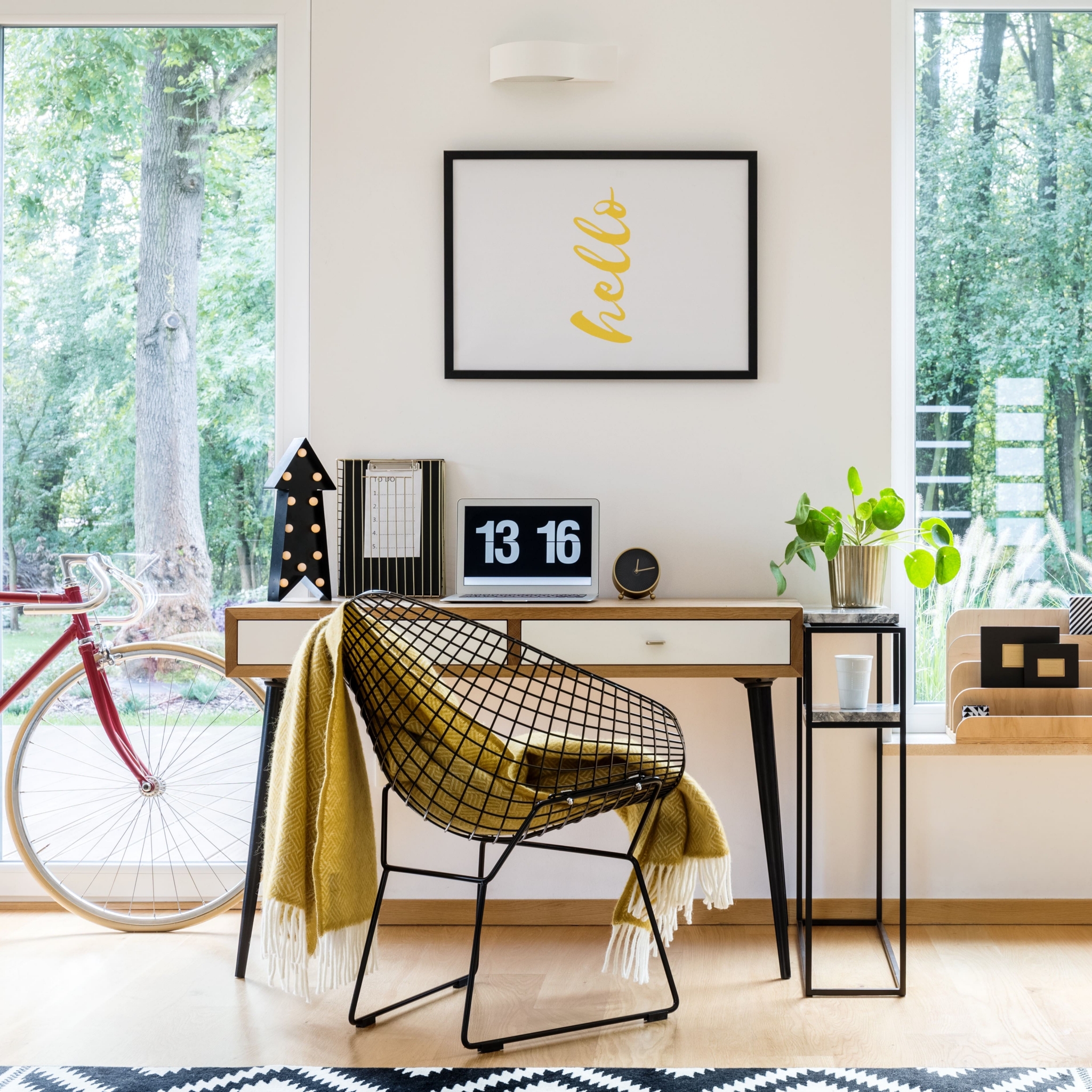
 Restrictions may have been lifted but there is no major rush for everyone to head back to the office. Many


 Throughout the pandemic many workplaces have offered their employees more flexibility. Flexible working options such as adjusting hours, days, or place of work, are attractive to many employees.







August 5, 2021
We need to take a long term view on workplace sustainability
by Guenaelle Watson • Comment, Environment