








June 8, 2017
Long term problems predicted for EU businesses if gender pay gap persists 0

As we reported earlier this week, more needs to be done to ensure that female representation in the boardroom increases; and now a new report paints a negative future for European businesses if the pay gap isn’t adequately addressed. Mercer has warned that a failure to address the EU’s substantial gender pension gap (40 percent), could cause long-term problems for businesses and governments alike; as through its analysis, the consultancy has found that the pension gap varies widely from one member state to another, however half have gaps of 30 percent or more. In its white paper The Gender Pension Gap – From Awareness to Action Mercer outlines the key drivers behind the pension gender gap, how it will impact companies and how they can start to address it within their workforce. Women continue to be significantly under-represented at all levels of the work force; in the EU their participation rate is 10 percent lower than men. The European Commission’s recent proposal for a directive on work-life balance for parents and carers, including the introduction of carers’ leave for dependent relatives, aims at addressing this under-representation.




 While the last 50 years have seen a notable convergence between men and women in labour force participation, hours worked, wages, and educational level, despite all this progress women are still less often found in high-paying occupations. Now a new study by Finnish economist Antti Kauhanen of the Research Institute of the Finnish Economy suggests that a substantial gender wage gap in corporate cultures emerges in early careers. In the latest IZA World of Labor report, Kauhanen cites a number of recent studies which conclude that women are much more likely than men to begin their careers at the bottom levels in the hierarchy; and this difference in initial job assignments is partly due to a divergence in educational background. Although the gender differences in years of education are small, differences in the field of education chosen remain large and are affecting career outcomes. Furthermore, in addition to educational choices and career interruptions, the hours worked, discrimination, and preferences and psychological attributes also contribute to the gender wage gap.

 UK employers are unprepared for gender pay gap reporting legislation, with more than a third (32 percent) failing to review salaries across genders to safeguard against pay discrimination. This is despite the fact that the Equality Act 2010 (Gender Pay Gap Information) Regulations 2017 come into force later this week (6th April) which will require UK companies with more than 250 staff to keep records of gender pay and bonuses. Totaljobs’ survey of 4,700 employees and 145 employers found that 82 percent of companies are not reviewing their gender equality/equal pay policy and 58 percent don’t have salary information available across roles and genders. Little more than half (53.1 percent) of employers feel “very confident” that salaries are equal across the genders. While employers will be required to keep salary records, the research showed men are currently more likely to receive a bonus than women and typically receive more. In the past year, 43 percent of men received a bonus of £2,059, on average, versus 38 percent of women, who, on average, received £1,128.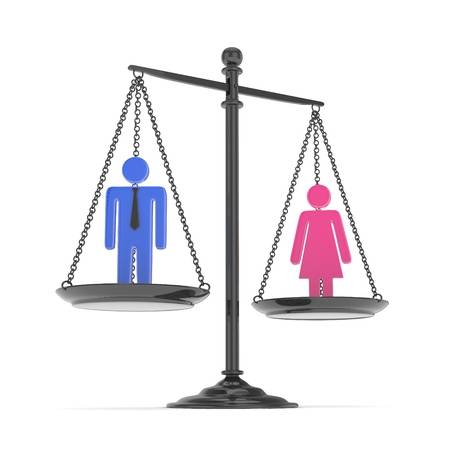









April 12, 2017
Research shows how the gender pay gap can be directly related to motherhood 0
by Sara Bean • Comment, Flexible working, News, Workplace