







January 15, 2018
Manchester, Brighton and Edinburgh seen as best places for freelancers to work
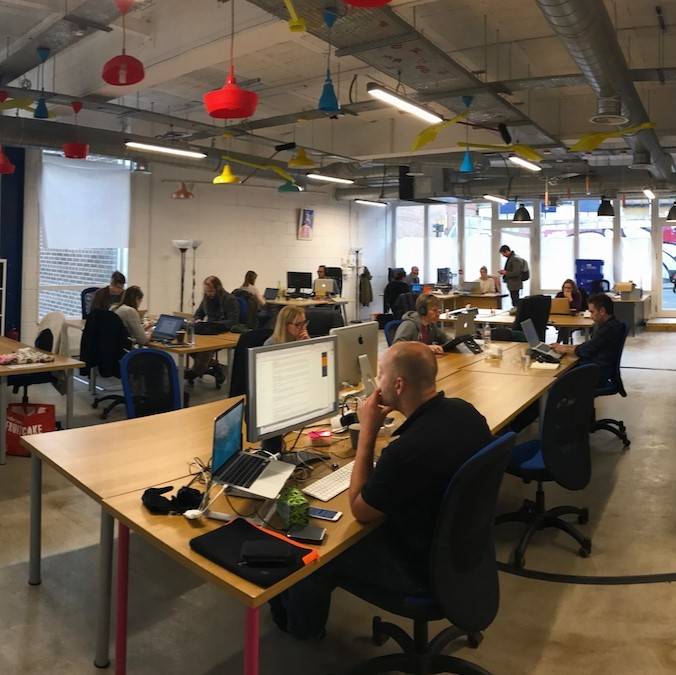 A new report from price comparison website MoneySuperMarket published to coincide with Working from Home Week claims that Manchester, Brighton and Edinburgh are the best UK cities in which freelancers can work. The report looks at the number of existing freelancers in 22 UK cities, the average rates they charge and the number of start-ups looking to utilise local freelancers. To assess the work-life balance of freelancers, the research also gauged local property costs, the number of wi-fi hotspots and coffee shops, as well as the general quality of life in the area.



















December 19, 2017
We need to have an honest conversation about presenteeism
by Steve Brewer • Comment, Flexible working, Workplace design
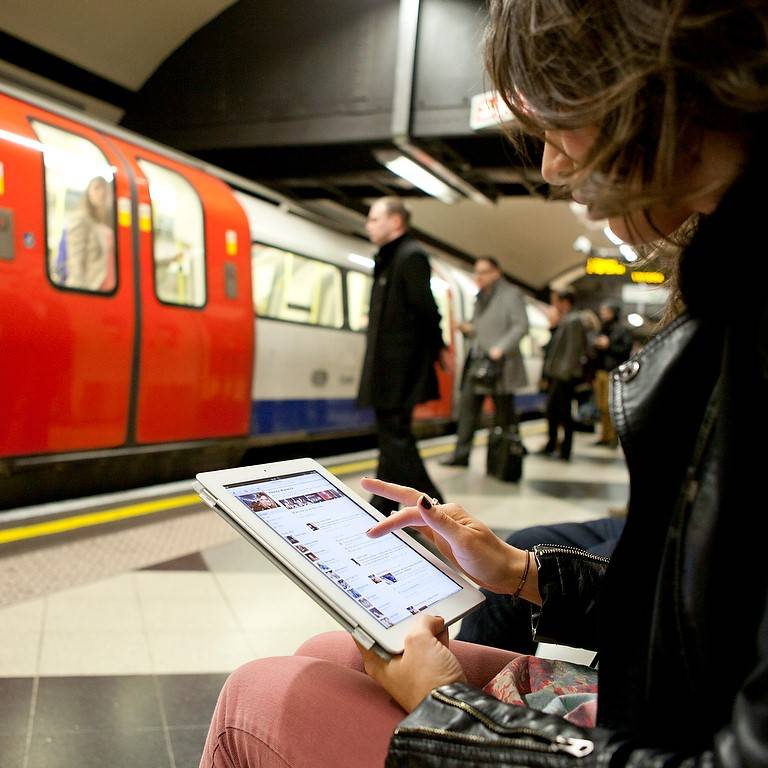
We have talked before about the risks of over thinking problems. It is not just something that consultants, designers and the workplace intelligentsia are guilty of – everyone does it. It is why we do not switch off when we are ill and still insist on going to work. We over think the consequences of not being in our workplace. Likewise, many traditional line managers simply cannot get their head around their teams working from home. After all, modern management mantras all talk about creating a great atmosphere in which teams all work together – in the same space at the same time? We all tend to over complicate most things and that is one of the main reasons in the UK we struggle with the concept of working from home. A consequence of this is the rise in presenteeism, which is mainly linked to illness, people ignoring how bad they feel and because of a perceived pressure, still turning up for work.
(more…)