Search Results for: burnout

Burnout remains a risk for workers of all generations

Burnout remains a risk for workers of all generations

burnoutFlexible working has become an important part of the modern UK economy, with over half of employees taking up a flexible working arrangement. However, Nuffield Health’s latest whitepaper The effects of remote working on stress, wellbeing and productivity has found while remote working is associated with higher workplace wellbeing, it can also present many business challenges including the risk of burnout for an increasingly diverse workforce. (more…)

Always on working culture in financial services sector driving staff to burnout

Always on working culture in financial services sector driving staff to burnout

always on in the city of LondonMore than nine in ten banking and financial services professionals in the UK work beyond their contracted hours every week, according to a new survey — laying bare the extent of the City’s always on working culture. Almost half, or 47 percent, said that they do not leave the office or take a break at lunchtime, according to the survey by Morgan McKinley. The recruitment firm canvassed the views of around 480 finance workers in an informal poll to come to its conclusions. (more…)


Avoiding burnout and losing the workplace blues

Avoiding burnout and losing the workplace blues

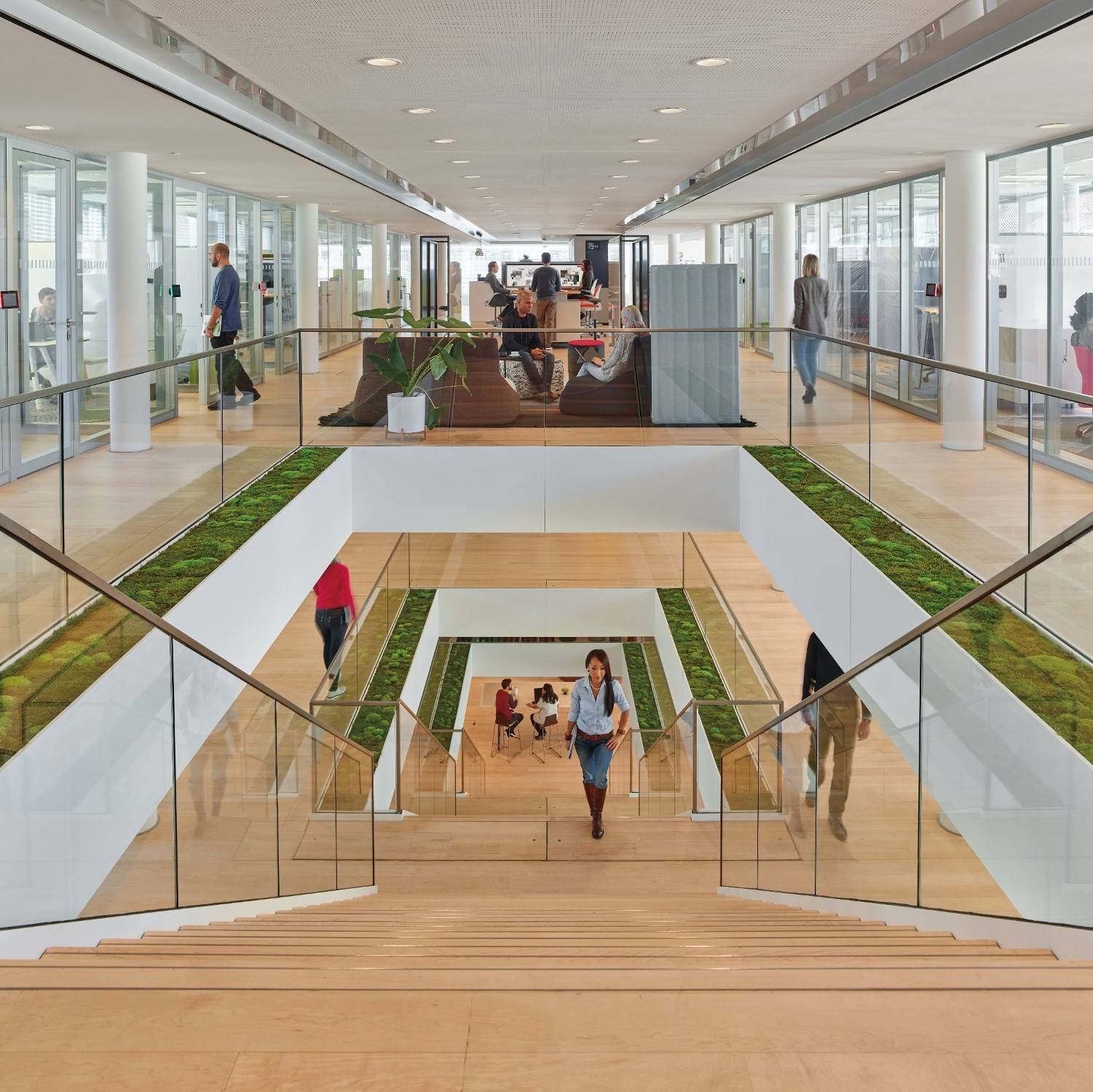
No burnout at Steelcase LINC Center MunichStressed at work? Feeling blue at this time of year? Take a breath. You are not alone. While the World Health Organisation (WHO) is just now recognising burnout, a result of stress, as an “occupational phenomenon,” the conversation around wellbeing at work is not new. If we learn anything from this newest designation, it’s that wellbeing cannot be ignored because the need to focus on it continues to intensify.

(more…)

Burnout recognised as a workplace phenomenon by WHO

Burnout recognised as a workplace phenomenon by WHO

WHO recognises burnout as an occupational phenomenonAlthough still  not classified as a recognised medical condition, burnout has been included in the World Health Organization’s 11th Revision of the International Classification of Diseases (ICD-11) as an occupational phenomenon. It is described in the chapter: ‘Factors influencing health status or contact with health services’ – which includes reasons for which people contact health services but that are not classed as illnesses or health conditions. (more…)

Overwork and burnout affects all the generations in the workplace

Overwork and burnout affects all the generations in the workplace 0

managing-the-generational-gap

Millennials, Gen X, and Boomers are all feeling overworked and burned out, which is motivating many to look for another job; and according to the latest Staples Business Advantage 2016 Workplace Index it’s the older workers who are most motivated at work by a sense of purpose, with Baby Boomers (46 percent) and Generation X (32 percent) having more of a sense of purpose at work than their younger Millennial counterparts (24 percent). Fifty percent of Millennials, 47 percent of Gen X, and 35 percent of Boomers however, say burnout is driving them to look for another job; with Boomers wishing their employer would decrease their workload and provide more time to complete tasks, while Gen X and Millennials are looking for a more flexible schedule and work-life blend. Aesthetics in the office are also key, regardless of age, as 51 percent of Millennials, 44 percent of Gen X, and 33 percent of Boomers would like to see more attention paid to office design.

(more…)

Workers face burnout as work continues to erode personal lives

burnoutOver two thirds of UK professionals (69 percent) are required to work outside of their regular office hours more than they were five years ago, according to a recent research from serviced office provider Regus. The survey canvassed the opinions of over 3,000 business people in the UK on their attitudes and approaches to work. A similar proportion of workers (72 percent) say that fixed hours are no longer suited to their duties; perhaps offering some explanation as to why so much extra time is spent at the office. Three quarters (76 percent) of respondents also reported a rise in remote workers, further suggesting that the concept of 9-5 day in the office is outdated. An earlier report from Regus, published in January found that the past five years have also seen a growing concern that workers face burnout.

(more…)

Festive burnout is latest ailment to strike unwary office workers

Festive burnout latest ailment to strike unwary office workersAs we enter the last full working week before the Christmas holidays, the reason why the office is already half empty isn’t just because staff have faked a sickie to do their Christmas shopping. Many of them may be genuinely sick – with Christmas the primary reason. The new ailment of “Festive Burnout” has been coined to mark the countdown to Christmas, as stress, exhaustion and illness begins to strike offices. According to the findings of a new investigation from AXA PPP healthcare;  while one in four Brits say that Christmas is their favourite time of the year, a third tend to start their holiday feeling burnt out from the stress of the run up to the holiday break.

(more…)

Employee burnout commonplace in third of UK companies

Burnout

Employee burnout is endemic within a third of UK organisations. According to new research from recruitment specialist Robert Half UK three out of ten (30 per cent) UK HR directors reported high levels of employee burnout, which rises to more than a third (35 per cent) for those in London and the South East and publicly listed companies. Two thirds (67 per cent) of UK HR directors cite “workload” as the primary reason for employee burnout, although this figure rises to three quarters (75 per cent) for large and 73 per cent for public sector companies. (more…)

Re-humanising the workplace: why prevention, support and standards matter more than ever

Re-humanising the workplace: why prevention, support and standards matter more than ever

There is growing recognition that the workplace needs to become more human again, not less.There is growing recognition that the workplace needs to become more human again, not less. For all the talk of performance, productivity and retention, too many organisations still treat stress, ill health and emotional wellbeing as secondary matters. They are not. They sit at the heart of business success. The figures from the Keep Britain Working report, an independent review commissioned by the UK government and led by Sir Charlie Mayfield, the former chair of John Lewis, are a wake-up call. The value at stake is enormous. Employers face an estimated £85 billion a year in lost output and costs linked to ill health. For government, the additional burden in welfare payments and NHS demand is around £47 billion annually. On top of this lies the wider cost to the economy through lower participation, and the human and social costs of lost opportunity, stalled careers and reduced life chances. (more…)

Study confirms that digital tools blur boundaries between work and personal life

Study confirms that digital tools blur boundaries between work and personal life

A new academic study confirms something you probably already know: digital tools are eroding the boundary between work and personal life.A new academic study confirms something you probably already know: digital tools are eroding the boundary between work and personal life. According to the new research, things are getting worse and we experience constantly growing psychological strain as a result of an always on working culture. The study, published in the International Journal of Electronic Finance, finds that widespread use of information and communication technologies such as smartphones, laptops and cloud platforms has enabled greater flexibility but also extended work into nearly all aspects of daily life. (more…)

How leadership can drive positive changes in workplaces

How leadership can drive positive changes in workplaces

Leadership has the power to reconnect people to their workplaces, rebuild trust, and create environments where employees feel motivated to contribute.The contemporary American professional landscape is at a turning point. While people are sticking with their employers, they feel more disconnected than ever. Gallup calls this the ‘Great Detachment’. (more…)

Actionable workplace wellness initiatives for small businesses

Actionable workplace wellness initiatives for small businesses

Wellness initiatives, however, can serve as a practical and powerful solution. When done thoughtfully, they help reduce stress, improve morale, and create a work environment where people feel supportedAmerican workplaces are going through big changes now. Employee engagement has hit a ten-year low. Small businesses often feel these pressures more intensely than large corporations. Limited resources make turnover and declining morale especially difficult for small firms. When even one employee feels overwhelmed or disengaged, the impact can ripple through an entire team.

Wellness initiatives, however, can serve as a practical and powerful solution. When done thoughtfully, they help reduce stress, improve morale, and create a work environment where people feel supported rather than stretched thin.

In this article, we’ll share a few actionable workplace wellness initiatives that can help you foster healthier habits, stronger engagement, and long-term resilience.


1 Encourage Flexible Work Options

The traditional nine-to-five office hours are quickly becoming a thing of the past. Many employees now value flexibility just as much as salary. Flexibility helps your team balance their work and their actual lives. This reduces stress and prevents that burnout we all fear.

Around 76% of businesses in the UK already offer flexible work options to their employees.

You do not have to go fully remote if that does not fit your small business’s model. There are so many ways you can give your team more control over their time. One common way is to offer telecommuting or remote work. This lets people work from home some or all of the time. It saves them a long commute and saves you on office costs.

If your team needs to be in the office, try flexible hours or flextime. This lets them choose their own start and finish times. You can also look into compressed workweeks. This is where employees work their 40 hours in fewer days.

A popular choice is working 10 hours for 4 days. This gives them a 3-day weekend every single week. This model is great for high-workload industries, such as retail, healthcare, or manufacturing.


2 Foster Happiness with Growth Opportunities

People want to feel like they are moving forward. When employees feel stuck, they start looking for the exit. Offering growth opportunities is a huge part of wellness. It keeps the mind sharp and reduces stress about the future.

For a small business, you might not have a big training budget. That is okay. You can check out the Small Business Association (SBA) Learning Platform. It offers online courses on everything from managing a team to marketing for free. Then there is SCORE. This is a network of retired executives who offer free mentoring.

For those looking to advance their careers, you could offer partial tuition reimbursement for continuing education.

Healthcare roles offer a relevant example. Nurse practitioners are expected to remain in high demand through 2031. Many bedside nurses aspire to move into these advanced practice roles.

Supporting an employee who wants to pursue an MSN-FNP degree can make that goal far more attainable. MSN-FNP stands for Master of Science in Nursing–Family Nurse Practitioner. Rockhurst University explains that this program helps registered nurses transition into primary care for patients of all ages.

Many universities now offer the MSN-FNP degree online. By opting for online degrees, employees can continue working while expanding their skills. Supporting education like this builds loyalty, confidence, and a healthier, more engaged workforce.


3 Create a Comfortable and Healthy Physical Workspace

The physical office environment directly affects how people feel. Small changes in lighting and furniture can boost productivity. These improvements prevent chronic pain and eye strain.

As a small business, you do not need a total redesign to make a difference. You just have to be creative with your space.

Sitting for too long can lead to chronic back pain. Ergonomic chairs support the spine and reduce physical fatigue. High-end chairs are expensive, but there are cheaper options. Lumbar support cushions can make a standard chair better.

Standing desks allow employees to switch positions all day. Standing desk converters are a great low-cost alternative.

Lighting is often overlooked in workplace design. Poor light causes digital eye strain for many workers. This is known as computer vision syndrome or CVS. Data shows that nearly 70% of workers suffer from CVS. Symptoms include headaches, blurred vision, and dry eyes.

Combine overhead and adjustable task lights to customize their environment to prevent discomfort.

Plants lower stress and improve the air we breathe. They can even absorb radiation from our electronic devices. Bring in plants like pothos and snake plants. These are quite affordable and nearly indestructible in an office setting.

Small Steps, Big Impact

Workplace wellness doesn’t require a big budget or a long list of policies. For small businesses, it’s about intention, consistency, and genuine care.

You do not have to do it all at once, however. The key is to start small. Pick one or two initiatives that feel doable right now and build from there. Over time, these small actions create a culture where people feel supported, not just as employees, but as humans. And when your people thrive, your business does too.