








May 31, 2018
Majority of global workforce now work somewhere other than the office every week

Technological change, globalisation and changes in employee expectations mean that over two-thirds of global employees now work remotely every week, and over half do so for at least half of the week. Though it must be said this is according to a new study from IWG, which is the parent group of workspace companies including Regus and Spaces, the study found that every week 70 percent of employees are working at least one day a week somewhere other than the office. More than half (53 percent) work remotely for half of the week or more, whilst more than one in 10 (11 percent) people work outside of their company’s main office location five times a week. The survey adds also that flexible working and the use of shared workspaces are no longer the preserve of start-ups. The world’s most successful businesses – including varied companies such as Etihad Airways, Diesel, GSK, Mastercard, Microsoft, Oracle and Uber – are already adopting a flexible workspace approach.





 One in four workers (28 percent) would move jobs if they weren’t allowed to work from home, increasing to nearly half (45 percent) of millennial workers. Yet while two thirds of UK employees (65 percent) can work from home, 35 percent are still not given the option of working remotely.


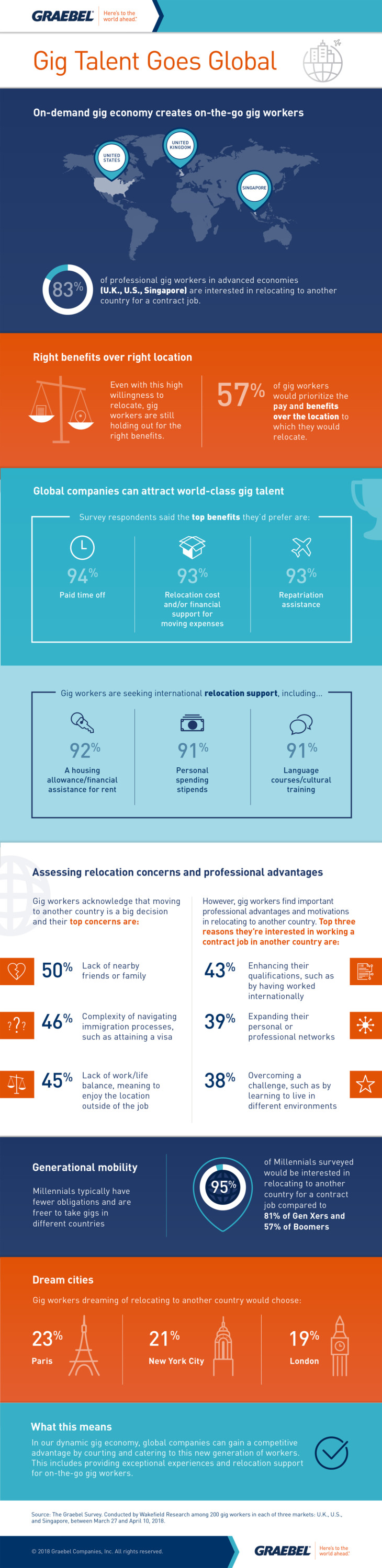
 UK businesses are already one of the top employers of short contract “gig workers” at an international scale and with Brexit just around the corner, a new
 Eight in ten workers use their personal smartphones for work purposes to make their jobs easier as almost half report wasting 10 minutes per hour in their working day due to their employers’ ineffective technology. According to the











May 30, 2018
Australia is leading the world in the adoption of activity based working
by Max Luff • Comment, Flexible working, Workplace design
(more…)