





March 1, 2021
Zoom fatigue is real and has four basic causes
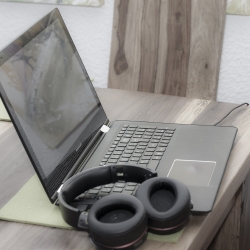 The much discussed idea of Zoom fatigue turns out to be a real phenomenon according to new peer reviewed research from Stanford academics. The study published in the American Psychological Association’s journal Technology, Mind, and Behaviour found that meetings conducted via video calls leave participants feeling more exhausted and emotionally drained than those held face to face. The study found the four most important factors that make video calls so exhausting; the constant need for eye contact, the ability to see one’s own face constantly during meetings, the need to sit still for long periods and difficulties in interpreting or communicating via body language. (more…)

 The feelings of isolation being experienced by employees is the biggest concern IT and cybersecurity teams have around home working, say almost one third (31 percent) of respondents to the latest Twitter poll run by
 In March 2020, the COVID-19 global pandemic forced countless employers around the globe to send their non-essential employees home. Few organisations had a contingency plan for such a scenario, meaning the overwhelming majority of employers had to rethink their operations and communication functions on the fly.
 UK employers are reporting their strongest employment intentions in a year, the latest
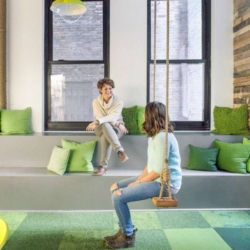 Of all the opportunities for positive change driven by the pandemic, the most important may be the least talked about. And that’s in spite of the fact that both workers and organisations as well as governments and other bodies around the world are aware and in favour of it and its consequences are most far reaching, affecting us all. It is, of course, the chance to do something significant about climate change and the environment.
 More than 40 percent of young people aged 16-24 surveyed in the UK say they are putting their career or education plans on hold until the pandemic is over. The research, commissioned by
 Working from home is exacerbating an ‘always on’ culture. Data from a study of UK employees, conducted by virtual team building company
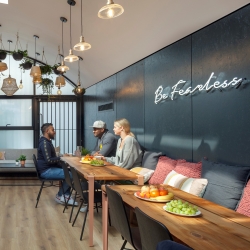 Let’s be honest, work life pre 2020 had its flaws, whilst the longing for variety of scenery, change of pace and even a train journey (somewhere…ANYWHERE) would be welcomed by many of us right now, many of us had become a bit ‘hamster wheel’ in our approach. Commuting was stressful, expensive and time hungry; our natural and individual rhythms squeezed into a set 9-5 schedule and workplace design had become a bit ‘quantity over quality’ – desks have been reducing in size year upon year in order that capacity could be increased. We had reached a point at which everything was ripe for change but there was largely a resistance to both flexible working requests and embracing much of the technological advancements that were already at our fingertips.
 Working together in person has far-ranging benefits on everything from mental health to economic growth according to a new report by
 Microsoft has announced Microsoft Viva, which it claims is the first employee experience platform to bring tools for employee engagement, learning, wellbeing and knowledge discovery, directly into people’s workflow. Viva is designed to help employees ‘learn, grow and thrive’ in the new era of working life, and is designed to work alongside existing solutions such as Microsoft 365 and Microsoft Teams.
 Senior executives aged 55+ have fared better than ‘millennial’ leaders (aged under 35) during the global pandemic.








March 6, 2021
Well, at least nobody is whinging about open plan offices anymore
by Mark Eltringham • Comment, Flexible working, Technology, Workplace design
(more…)