







December 21, 2018
Are open plan workspaces truly evil or is this just fake news?
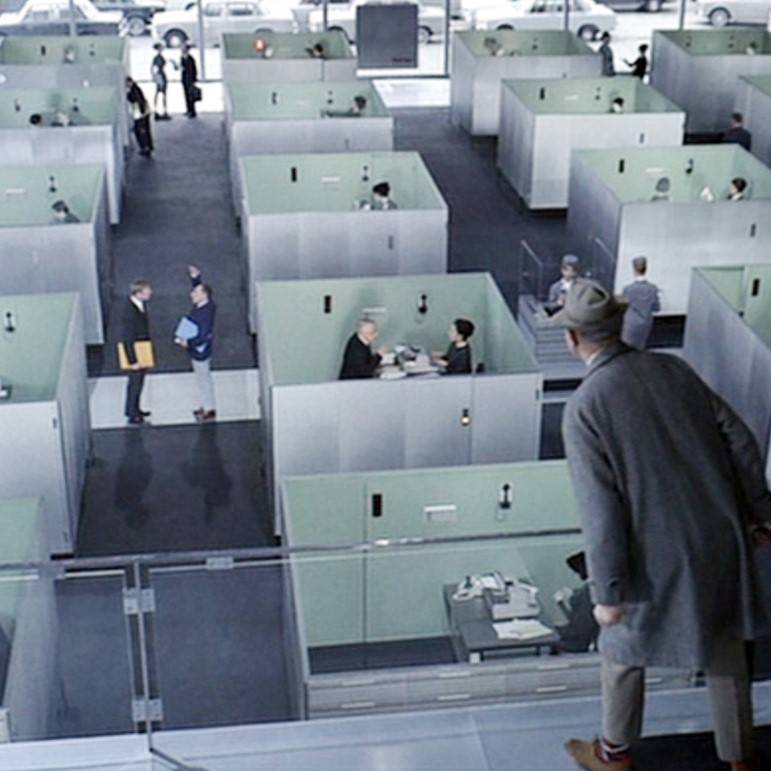 A recently published paper describing the results of an academic study by Ethan S. Bernstein and Stephen Turban[1], both of Harvard, has become another unwarranted casualty of the debate within our industry and in the mainstream media on ‘open plan’ offices versus anything else. The researchers conducted two controlled studies in different organisations before and after a workplace refurbishment from dedicated cubicles to dedicated open plan (benching) neighbourhoods, and concluded that face to face interaction reduced significantly, while email and other digital communications increased in the new environment.


 Given the latest U turn regarding Brexit, with beleaguered British Prime Minister Theresa May announcing the cancellation of a commons vote on the agreement, a new report into the so called “glass cliff” appointment of women is pretty timely. The term “glass cliff” was coined by researchers Ryan and Haslam in the early 2000s to describe a phenomenon in which women are more likely than men to be promoted to precarious management positions with a higher risk of failure. Aside from May, exemplar cases often used to support the theory include Marissa Mayer, former CEO of Yahoo and Andrea Nahles, Social Democrat party leader in the German Bundestag.


 One year on from #MeToo – just one in four workers agree that international media coverage has helped to improve their workplace culture, according to new research on sexual harassment from Acas. The workplace experts commissioned the study from YouGov to find out whether media reporting on #MeToo and high-profile celebrity cases have had any effect on British workplaces. Only a third (30 percent) of survey respondents believe that incidents of sexual harassment in workplaces have decreased in the last five years.

 Only one in four organisations have adapted performance management processes to consider staff with disabilities and special needs, including conditions such as dyslexia and autism. These are the findings of research carried out by Acas which has today published new advice to address the issue. The research report entitled ‘Improvement required?’ included a survey, which asked employers about performance management systems within their workplaces. The study found that one in ten employers said that their performance management system was demotivating for staff; and only one in ten employers said that their systems were used for planning and monitoring training and development.



 Generation Z, the latest generation of workers to enter the workplace (aged 18-24) are social creatures a new report suggests, preferring to work in an office environment, with only 8 percent thinking they work best from home compared to 20 percent nationally. However, putting aside the assumption this is because they’re sharing a cramped flat or living with parents, even within the office environment, the vast majority (81 percent) think social and communal areas are important workplace facilities compared with only 64 percent of all employees and 58 percent of Baby Boomers.









December 17, 2018
Don’t be a turkey, get on the commercial property gravy train
by Jo Sutherland • Comment, Property
(more…)