







June 1, 2015
New report lays out its 2040 vision of the workplace of the future
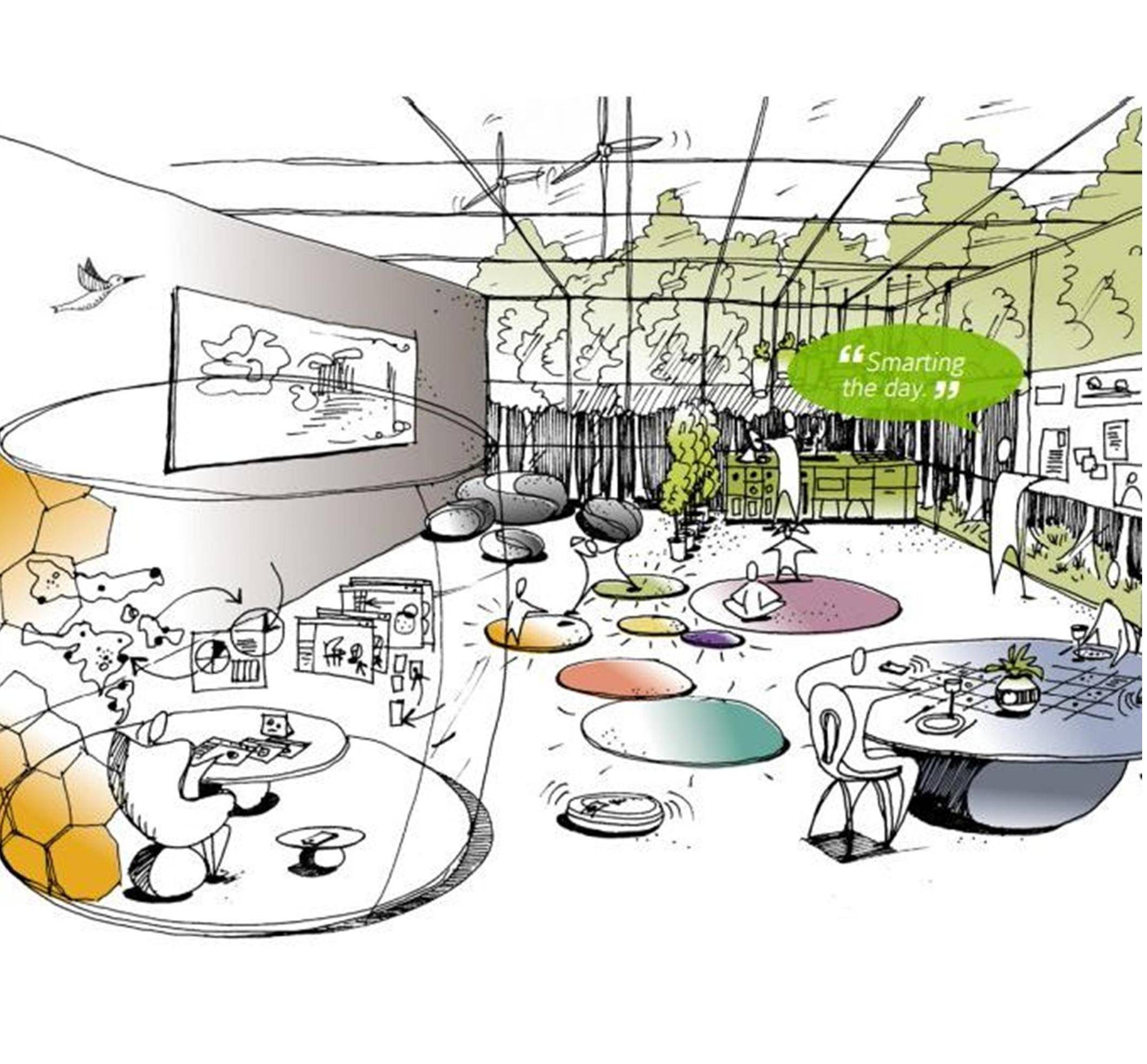 By 2040 knowledge workers will decide where and how they want to work, according to a new report on the workplace of the future by Johnson Controls’ Global Workplace Solutions business. The Smart Workplace 2040 report claims that 25 years from now, work will be seen as something workers do, rather than a place to which they commute. According to the study, work patterns will be radically different as a new generation of what it terms ‘workspace consumers’ choose their time and place of work. Most workers will frequently work from home, and will choose when to visit work hubs to meet and network with others. There will be no set hours and the emphasis will be on getting work done, while workers’ wellness will take priority. Technology will bring together networks of individuals who operate in an entrepreneurial way, with collaboration the major driver of business performance.


















June 2, 2015
The bonds that link work with place are loosening day by day
by Paull Robathan • Comment, Flexible working, Technology, Work&Place
(more…)