







March 20, 2018
Working fathers are being let down by workplace policies, claims Government report
 The Government’s Women and Equalities Committee has published its report on fathers in the workplace. Its main conclusion is that current policies supporting fathers in the workplace do not deliver what they promise, despite good intentions and this is particularly the case for less well-off fathers. It claims that the Government must reform workplace policies to ensure they meet the needs of the 21st century family and to better support working dads in caring for their children, say MPs. The report concludes that the right to request flexible working has not created the necessary cultural change and the Government itself admitted to the inquiry that its flagship shared parental leave scheme will not meet its objective for most fathers.
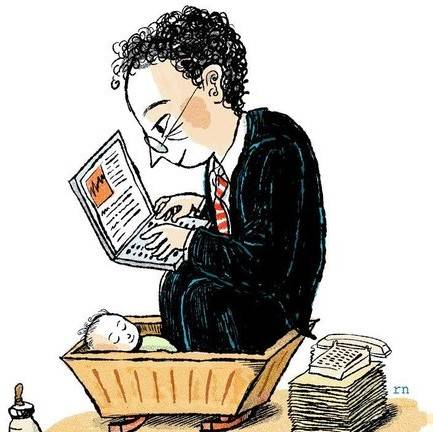
 The challenge to achieve gender equality at work isn’t made any easier by the attitudes of some employers. Although men increasingly want to be more present at home, currently fathers are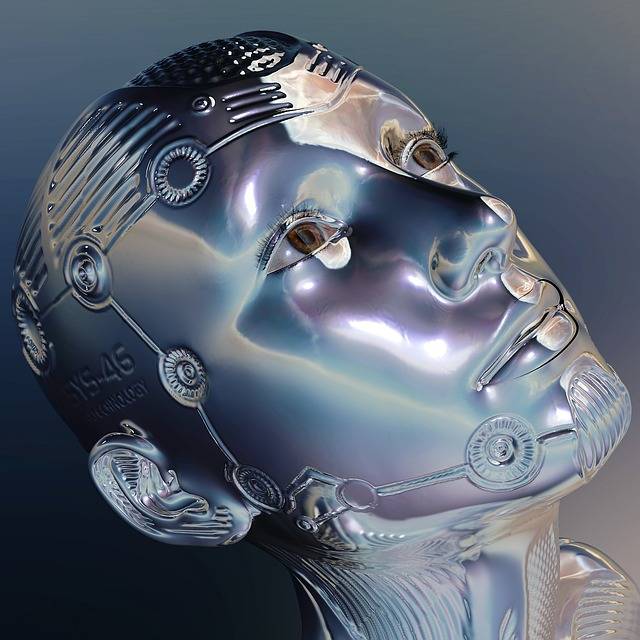
 Artificial intelligence systems need to be accountable for human bias at AI becomes more prevalent in recruitment and selection, attendees at the Employers Network for Equality & Inclusion’s annual conference have been warned. Hosted by NatWest, the conference, Diversity & Inclusion: The Changing Landscape heard from experts in ethics, psychology and computing. They explained that AIs learnt from existing data, and highlighted how information such as performance review scores and employee grading was being fed in to machines after being subjected to human unconscious bias. Dr David Snelling, the programme director for artificial intelligence at technology giant Fujitsu, illustrated how artificial intelligence is taught through human feedback. Describing how huge data sets were fed into the program, David explained that humans corrected the AI when it used that data to come to an incorrect conclusion, using this feedback to teach the AI to work correctly. However, as this feedback is subject to human error and bias, this can become embedded in the machine.
 Work is no longer a place but a set of activities which lead to a set of outcomes that could be delivered anywhere. Or as John Blackwell, Quora Consulting’s Managing Director succinctly described it at the first of the 2018 Quora Smartworking Summit’s held last week, organisations need to create a ‘smart everywhere’ environment. New digital platforms make far it easier for people to work in exactly the way they want. Research by Quora has revealed that there are 5 million people currently working in the UK gig economy or around 15.6 percent of the total workforce. More people are working post retirement age and want to work in a way that they can control, while there are increasing numbers who simply want more autonomy in their lives in the way that self-employment can offer.












March 15, 2018
What the Chancellor’s Spring Statement means for the employment landscape
by Oliver Shaw • Comment, Workplace
(more…)