






August 4, 2017
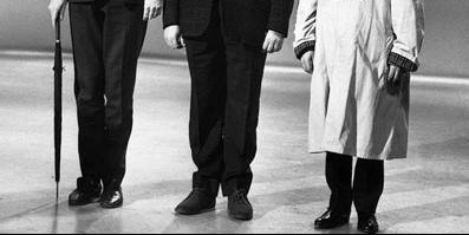
People change the way they speak based on the status of the person to whom they are talking
 Ever wondered why people change the way they speak in certain situations? The answers might be found in piece of research carried out by academics at the University of Stirling. It found that people tend to change the pitch of their voice depending on to whom they are talking and how dominant they feel in a particular context. The research, published in the journal PLOS ONE, put participants through a simulated job interview and discovered that individuals’ vocal characteristics are altered in response to people of different social status. Regardless of self-perceived social status, people tend to talk to those they consider high status individuals using a higher pitch.

 Poor health is one of the biggest factors causing people to leave work earlier than they would like to; yet poor health isn’t an inevitable part of ageing. We know that health conditions can become more likely as we get older. While some health conditions are not any more likely the older you get, others certainly are. Musculoskeletal conditions (affecting joints, bones and muscles) and heart and circulatory conditions increases significantly as we age. The fact that 14 percent of all 50-64 year olds have a musculoskeletal condition, and that musculoskeletal conditions alone account for 30 million days of sickness absence each year, is significant. People are by impacted by health conditions in different ways, and you can have a dramatically different outcome depending on how early you spot and take action to address a health issue at work. Sometimes slow-onset physical conditions such as musculoskeletal conditions, might start off mildly, but gradually lead to a painful exit from work. Because they change slowly they are more difficult to identify and there isn’t always a clear trigger point to do something about them.


 Nearly three quarters of employers in a recent poll say retaining female talent in the workforce is the most important issue in HR in 2017, as changes to childcare funding could impact on the recruitment and retention of working mothers. The research, which was carried out by My Family Care and recruitment firm Hydrogen, found that most employers thought that flexible working and supporting working parents and carers was important to them but strikingly, nearly three quarters (70 percent) rate the issue of retaining female talent after parental leave as the most important issue. However, 60 percent of HR professionals said their company provided no form of coaching or training support for their employees going through the parental transition. When it comes to the success of their family friendly initiatives, flexible working proved to be the most successful, followed by their Childcare Voucher Scheme and then enhanced maternity or Shared Parental pay.
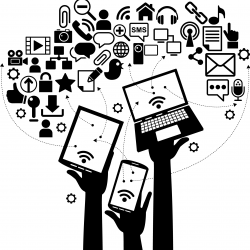 Organisations are taking serious security risks by allowing employees to access workplace IT systems remotely while on their summer holiday, a telecoms company has warned. According to research by the corporate IT and cyber-security arm of Deutsche Telekom, nearly a third of employees (31 percent) use free Wi-Fi hotspots, and nearly a quarter (24 percent) use them for work-related emails and documents. These are a big danger area as they are insecure and easy for hackers to clone (getting access to all email and web traffic, including any work documents and passwords). It also warns that 28 percent of employees email work documents to and from their personal email, despite this creating numerous security problems. Ten percent use free USB charging points at airports and stations; and these ports can be used to transfer viruses and malware to unsuspecting users. The blame cannot solely be placed on the employees though, as just 28 percent of employees have never in their working career had any cyber security training to protect themselves and their employer.



















August 2, 2017
Whatever you might be told, this is not the Office of the Future
by Mark Eltringham • Comment, Facilities management, Technology, Workplace design
(more…)