






April 25, 2019
MPs to investigate impact of placemaking and built environment on productivity
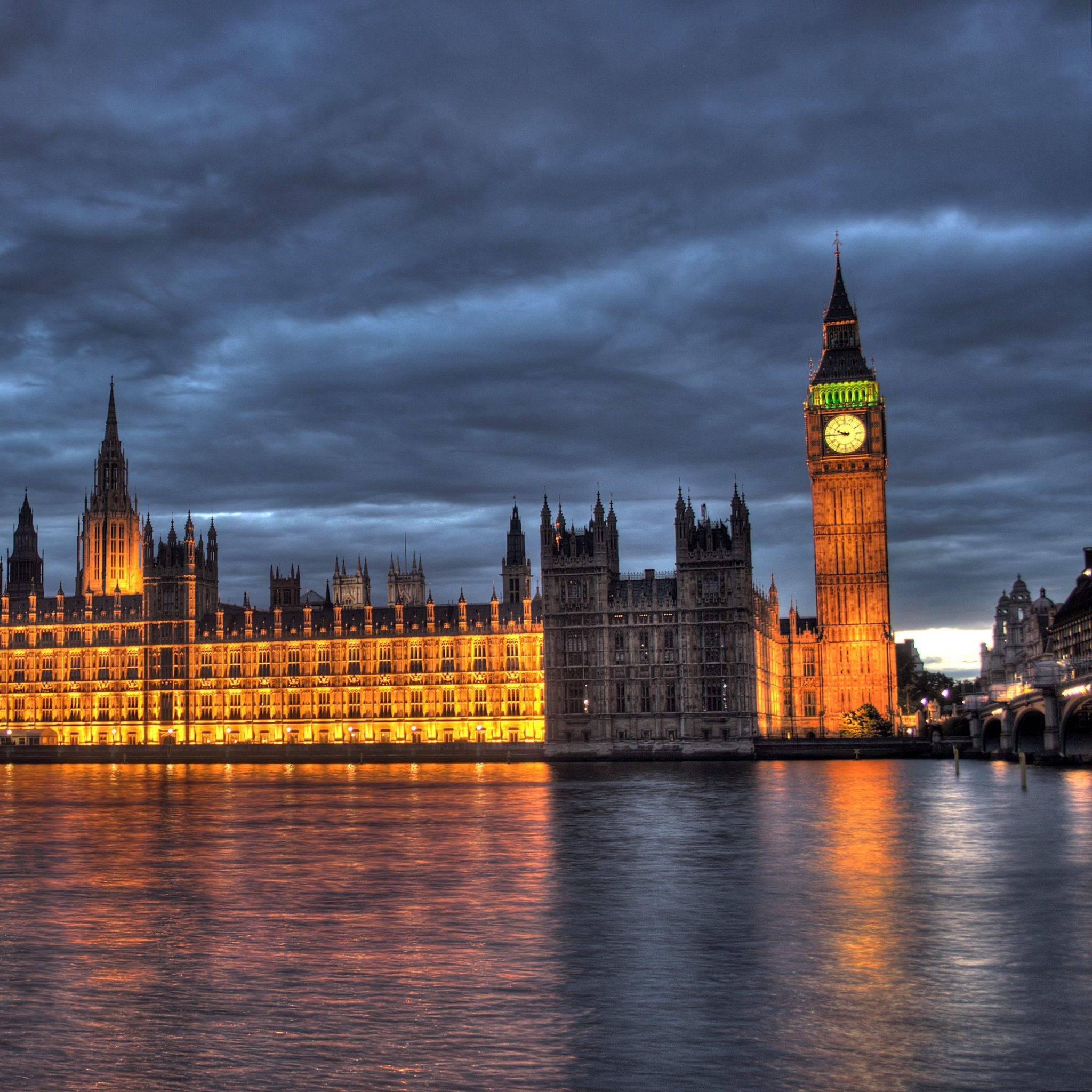 The All Party Parliamentary Group on Building Communities is calling for evidence and contributions from all organisations with an interest in the built and natural environment to contribute to its new consultation, which aims to explore how placemaking can lead to greater productivity in the UK. As part of its remit, the APPG seeks to conduct research on the concept of ‘placemaking’ and investigate design practices that maximise the social value of infrastructure. In this way the APPG hopes to build an evidence base that can be used by policy makers when engaging with the build and natural environment.





 Many built environment businesses are adopting increasingly ambitious sustainability commitments reports the UK Green Building Council in its third annual report ‘Leading the Way’. This presents trends and analysis from research conducted as part of UKGBC’s annual Sustainability 360 Reviews, which look at sustainability trends and insights amongst UKGBC’s 50 industry-leading Gold Leaf member businesses.
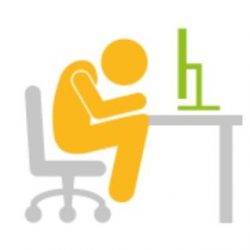 Half of employees say that their working environment has a negative effect on their mental health (51 percent) and wellbeing (49 percent) and two-thirds (67 percent) say that they only ‘sometimes, rarely or never’ feel valued at work. The research by Peldon Rose shows that two-thirds of employees (64 percent) currently have poor or below average mental wellbeing and that the majority (56 percent) claim increasing workloads, followed by a lack of time to focus on wellbeing and exercise (46 percent) are the leading causes of their stress. While half of employees think introducing exercise facilities will help them to better tackle their workplace stress (50 percent) – less than a fifth of workplaces (16 percent) currently provide these facilities, something employers should consider when looking to boost the morale of their workforce.
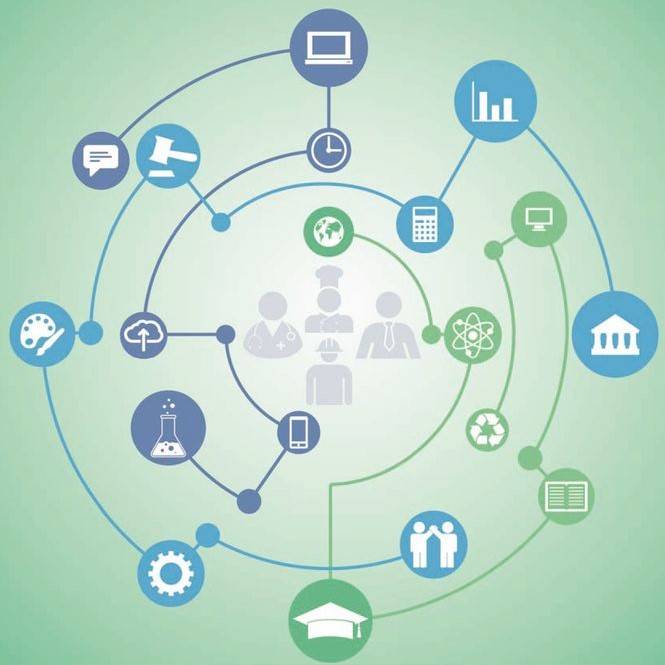
 Technology is in the process of transforming almost every aspect of society, with change happening at an “accelerating rate,” and this is being made possible due of simultaneous rapid advances in several key areas of technology. This is according to a new White Paper on


 The vast majority (97 percent) of office workers in UK feel frustrated by their workplace environments, with many feeling the need to escape office life as a result. A new report from Staples has discovered that one-in-five (22 percent) end up browsing LinkedIn job ads for something better when they’re frustrated. As a result, job-hopping is prolific, with workers now predicted to have 11.7 jobs between the ages of 18 and 48. The expectation that the grass must be greener elsewhere is leaving most thinking about switching jobs. However, when they do end up jumping ship, many just experience a short-term fix. According to the study, a third (37 percent) get frustrated in their new office before the end of their first six months. The majority of office workers say they seek fulfilment (89 percent) at work, and for most (77 percent), the quality of their office workspace is a contributing factor in how fulfilled they feel.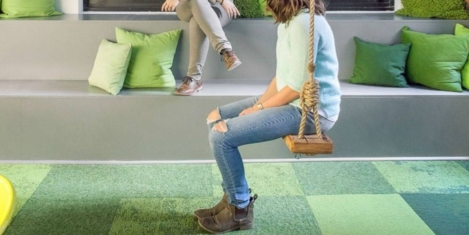








February 4, 2019
Getting back to environmental basics in the Anthropocene era 0
by Alison Kitchingman • Comment, Environment, Facilities management, Workplace design