







July 11, 2017
Taylor Review on Modern Working Practices and the gig economy is published 0
 The long awaited UK government commissioned report into modern working practices and the so-called gig economy has been published at last. The Taylor Review was commissioned by the Department for Business, Energy & Industrial Strategy last year and there has been a great deal of speculation regarding its content ever since, especially last week after parts were apparently leaked to the media. You can follow the pile in now on Twitter and the festering pits of ignorance, prejudice and bile known as newspaper comment sections. Or you can read it here before you draw your own conclusions. We’ll be having our say tomorrow and sharing the thoughts of various organisations into its contents. The report was authored by Matthew Taylor, Chief Executive of the RSA and considers the implications of new forms of working, especially with regard to the gig economy and freelance work on worker rights and responsibilities, as well as on employer freedoms and obligations. It sets out seven key principles to address the challenges facing the UK labour market, set out below.

 Britain’s most family friendly and flexible employers have been recognised in this year’s Top Employers for Working Families Awards. Now in their 8th year, the annual Top Employers for Working Families Special Awards from the UK’s work life balance charity cover 11 categories across a range of work life policies and practices. Four new sector-specific awards are being introduced this year for the private, public and third sectors; as well as a category for small employers. Sarah Jackson OBE, chief executive of Working Families, said: “In many ways, flexible working and family friendly working have never been more part of the bloodstream of British business. We had a record-breaking number of entries this year, showcasing a wealth of exciting approaches to creating agility in the workplace. Congratulations to all this year’s Top Employers for Working Families award winners, singled out because they offer leading flexible workplaces that support the grain of their employees’ lives. I look forward to working with them to make work work, for people, families and the economy, so that families thrive and business prospers.”



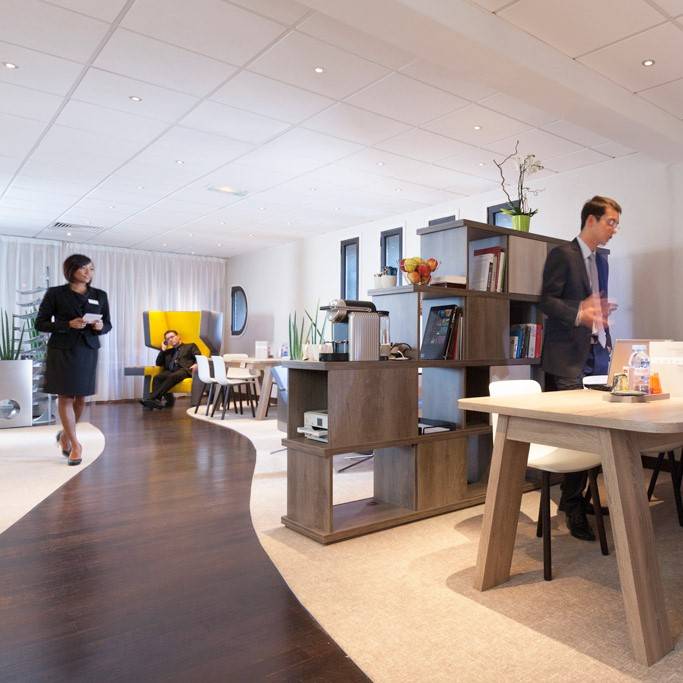



 New guidance to help facilities managers manage the transition to agile working within their organisation has just been published by the British Institute of Facilities Management (BIFM). The Agile Working Change Management Guidance Note is aimed at FMs working at a senior and/or operational level and covers the benefits of agile working and how to successfully plan and implement an integrated approach to deliver sustainable change in working behaviour. Agile working describes a range of work settings that allow people and organisations to make new choices about when, where and how they work. It is underpinned by mobile technology and applies to people working both in and away from the traditional office, such as at home, on the road or remotely in other locations. BIFM’s research and information manager Peter Brogan said: “As an Institute, we recognise the importance of the workplace agenda for FMs and this newly commissioned Guidance Note aims to address the current lack of knowledge around some of the emerging workplace practices.”
 London’s office workers are looking for shorter commutes, demanding more collaborative and networking opportunities while at work and better access to green space, retail, leisure and wellness; all of which could present a huge opportunity for the less congested outer London boroughs, a new report suggests. According to Savills latest London Mixed Use Development Spotlight, as employers and employees alike demand more from their workplace and their work- life balance, London’s outer boroughs could reap the benefits by providing greater flexible office space and affordable homes at a variety of price points. According to Oxford Economics, employment in sectors that tend to occupy co-working spaces is set to rise by 20,000 people in the outer London boroughs over the next five years, which equates to a gross additional need of 1.6 million sq ft (148,644 sq m) of office space.









May 17, 2017
A nuanced approach to the design of the coworking office 0
by Ajay Chopra • Comment, Flexible working, Workplace design
(more…)