







June 20, 2019
Area opens new Birmingham office
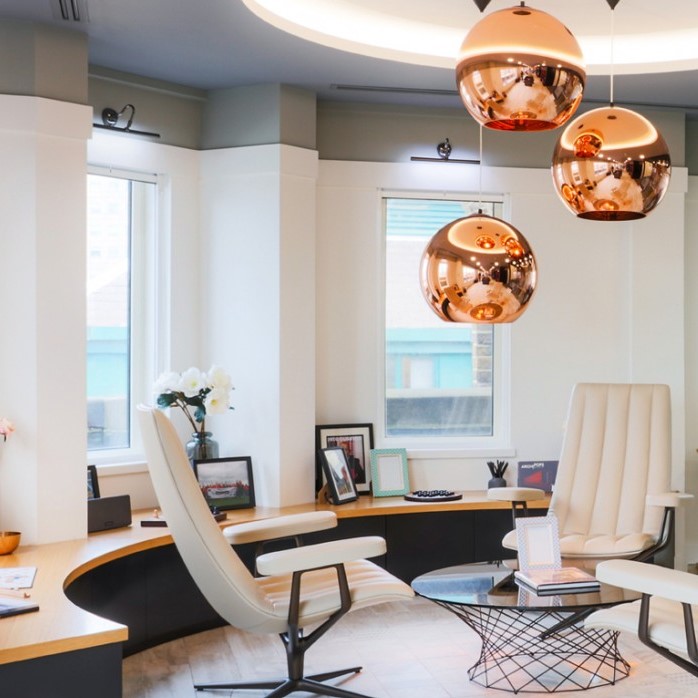 Office design and fit-out form Area is expanding its UK operation and opening a new office base in Birmingham to support and grow its existing client base. The move to Birmingham – one of the UK’s most dynamic regions – comes on the back of a series of successful projects in the region and builds on strong relationships with local clients such as Mills & Reeve, Zurich, Legal & General, Jaguar Land Rover, KPMG, Handelsbanken, Aviva, Grant Thornton and Deloitte. Birmingham and the West Midlands are regarded by economists and businesses alike as one of the most promising places in Britain to invest and grow, which creates opportunities for the commercial property market. (more…)





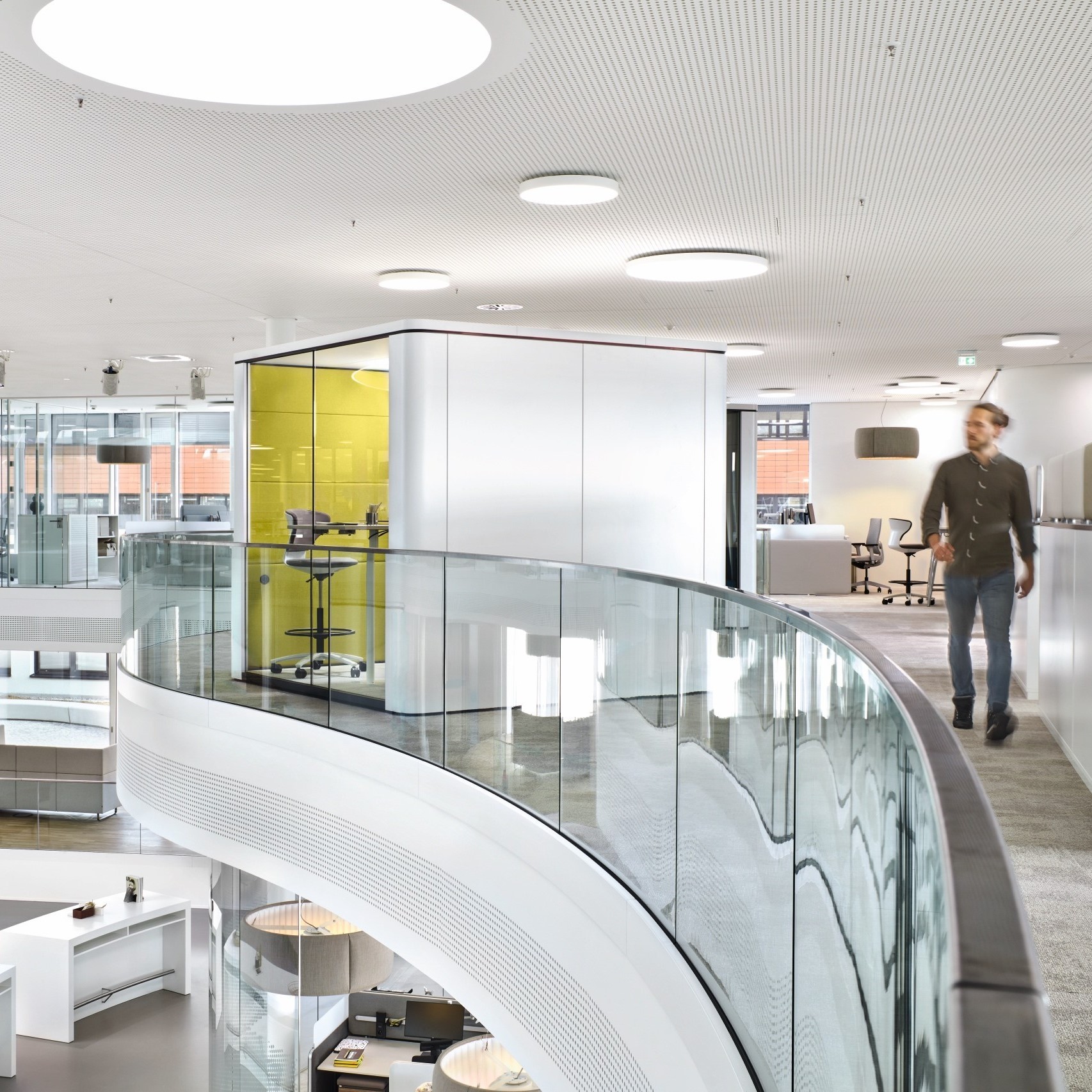

 Employees trust their CEOs less than they did seven years ago, although trust in line managers remains the same, new research claims. It also suggests that one of the reasons for mistrust is that CEOs seem unable to understand the role of their employees and the contributions they make to working culture. According to Trust in Leaders, by The Institute of Leadership & Management, workers trust their CEOs considerably less than they did in 2011, as compared to then, the results show trust in CEOs has fallen by 8 percent.








June 10, 2019
Coworking disrupts office design 0
by Paul Goodchild • Comment, Coworking, Facilities management, Flexible working, Workplace design
(more…)