







June 6, 2017
Office temperature is most likely source of conflict at work 0
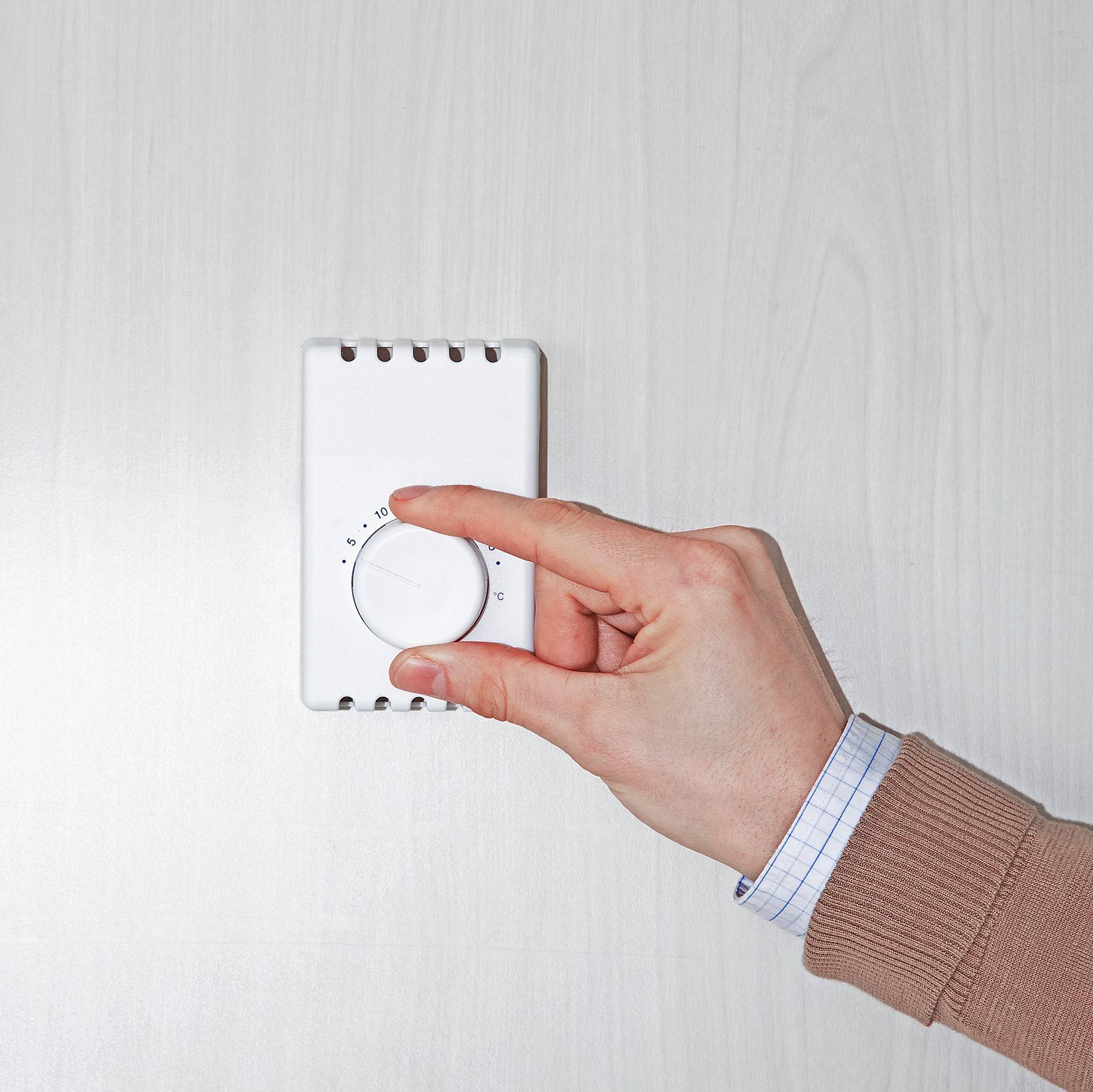
Nearly half of office workers (47 percent) cited differences over the office temperature as the aspect of their working environment that causes the most frustration in the workplace, according to a survey of 1,371 working UK adults by Emo Oil. 57 percent consider their office too hot, whilst 43 percent believe the opposite that the office temperature is in fact far too cold for working conditions, which just goes to show what a contentious issue it is. 63 percent state that the temperature affects their productivity in the working day. And as many as 1 in 6 (17 percent), even admitted to having asked their manager to work from home, due to being unhappy with the temperature in their working environment.
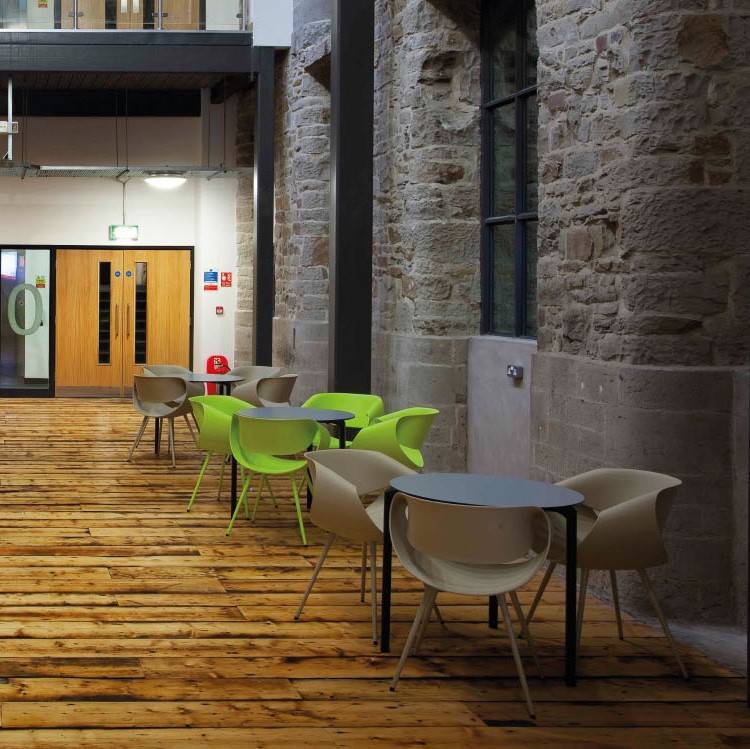

 Issues with the quality of their workplace lighting frustrate the majority (83 percent) of UK office workers; while 80 percent experience negative symptoms due to poor lighting a new study suggests. The survey by Lutron Electronics focused on key areas including the impact of lighting on mood and wellbeing and whether workers had personal control of their lights or were subject to standard lighting control settings across the office. Understandably, 88 percent of UK respondents said that their office lighting is important or very important and one third (32 percent) stated that their existing workplace lighting aids them in the accuracy and visibility of their work. In addition, 27 percent believe it allows them to focus more while 25 percent said it increases their general wellbeing. However, 35 percent of overall respondents said their existing office lighting does not have any positive impact on them at work. This figure is even higher (44 percent) among those in large companies with more than 5,000 employees and amongst the most senior generation (55+), where it reached more than half (51 percent).

















May 17, 2017
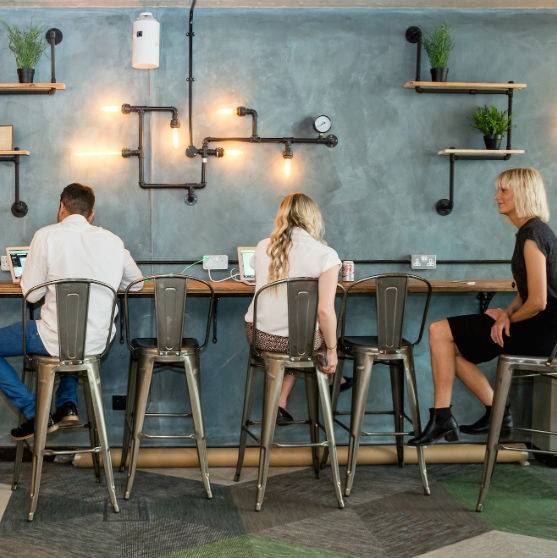
A nuanced approach to the design of the coworking office 0
by Ajay Chopra • Comment, Flexible working, Workplace design
(more…)