








June 12, 2018
Pay rates for senior management reflect longer working hours argues CMI
 Business Secretary Greg Clark proposed new laws in Parliament yesterday (June 11th) that new large firms will have to justify their chief executives’ salaries and reveal the gap to their average UK worker. It means that for the first time, UK listed companies with more than 250 UK employees will have to disclose and explain this difference – known as ‘pay ratios’ – every year. However, according to data published today by the Chartered Management Institute (CMI) and XpertHR, basic salaries for senior managers have fallen in real terms, with inflation overtaking pay increases for the first time in five years. At a time when government are shining a light on executive pay, and linking it via a ratio to workforce pay, separate CMI research has found managers worked an extra 44 days a year last year over and above their contracted hours – up from 40 days extra in 2015. The same research found 59 percent of managers are ‘always on’, frequently checking their emails outside of work and one in 10 had been forced to take sick leave because of stress.









 One in four working people aged 55+ with a health condition are considering leaving work as a negative culture and bureaucratic procedures put many off speaking to their employers until a crisis point. This is according to a new report from Ageing Better, ‘Health warning for employers: supporting older workers with health conditions’, which claims that employers are not properly supporting older workers experiencing long-term physical and mental health conditions. Health is the most important factor affecting older workers’ decisions to stop working before reaching State Pension age. Ageing Better’s research finds that early access to support, small adjustments to the workplace and working patterns, and empathetic management are crucial to enabling people to manage their health at work and remain in employment. But the research also found that workers are often put off speaking to employers until the last moment due to poor workplace culture and overly bureaucratic procedures.
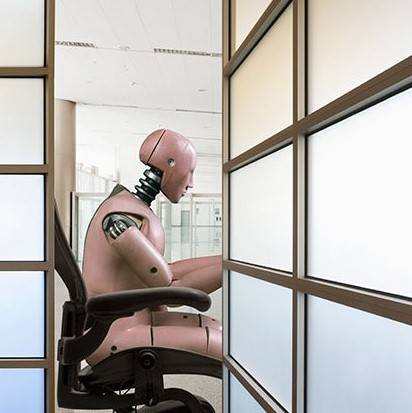
 Robots will not as feared steal people’s jobs and will eventually improve productivity, but they will undercut workers’ contribution sufficiently to depress their wages. According to the third report in Barclays Impact Series, titled










June 4, 2018
Your happiness at work is not just down to your employer
by Cary Cooper and Ivan Robertson • Comment, Wellbeing, Workplace design
(more…)