March 29, 2017
Design Commission publishes report on how design shapes people’s behaviour 0
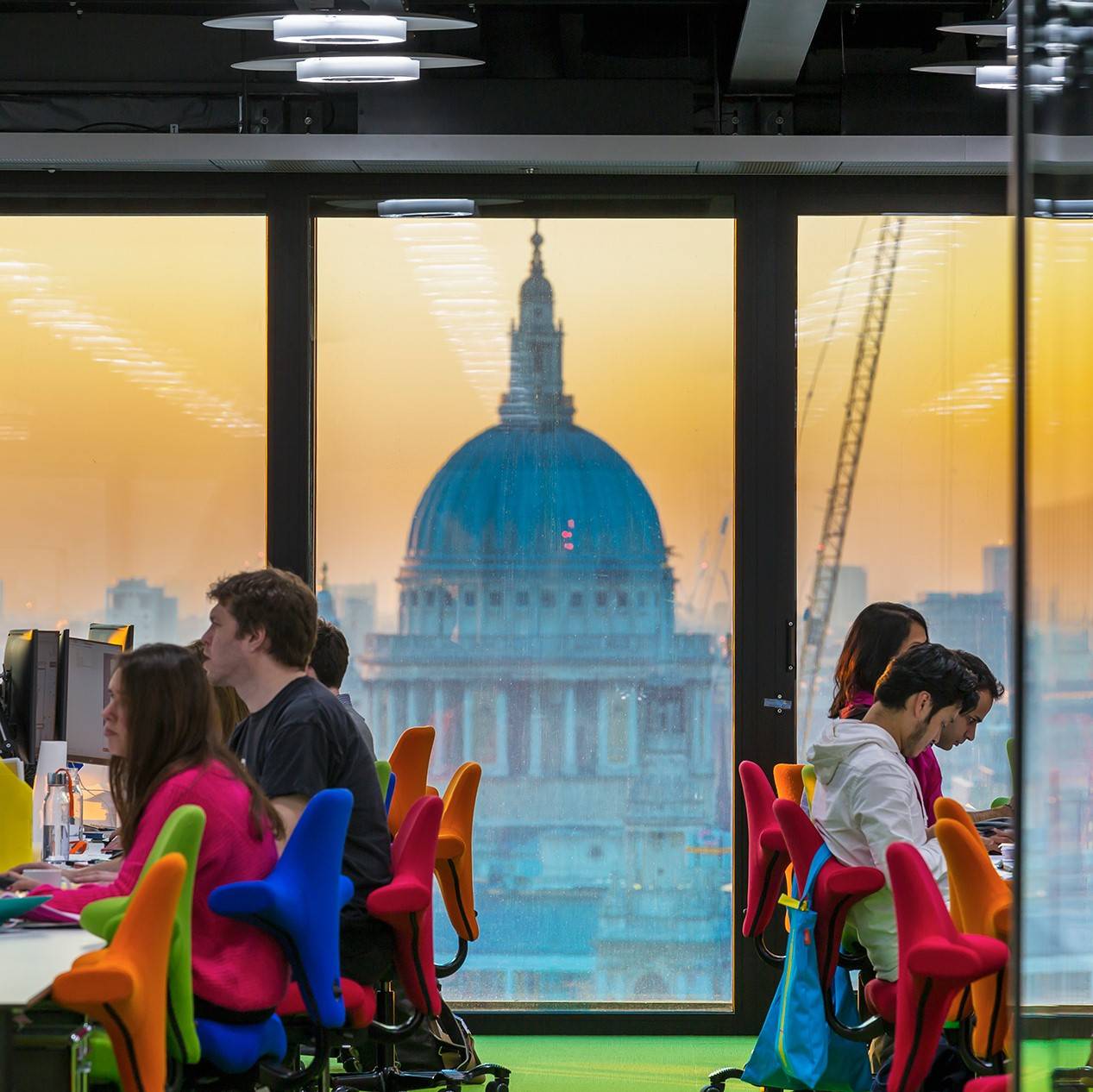 A new report from the Design Commission in partnership with the BRE Trust is the latest to outline how the design of the built environment influences the way people think and behave. The report has been published following an inquiry chaired by Baroness Whitaker and Professor Alan Penn, Dean of The Bartlett, University College London and is endorsed by Richard Rogers and Kevin McCloud. It calls on central and local government to escape their muddled thinking on the matter and instead create a policy framework that acknowledges the link between design and behaviour. It also suggests that more private sector organisations should wake up to the link and do more than merely comply with their legislative obligations.




 Gig economy workers are as likely to be satisfied with their work as workers in traditional employment, according to a major new survey published today by the CIPD which provides the first robust estimate of the size of the gig economy. Currently, 4 percent of UK working adults aged between 18 and 70 are working in the ‘gig economy’, which means approximately 1.3 million people are engaged in ‘gig work’ according to ‘To gig or not to gig: Stories from the modern. The report, which is based on a survey of 400 gig economy workers and more than 2,000 other workers, as well as 15 in-depth interviews with gig economy workers found that nearly two-thirds (63 percent) believe the Government should regulate to guarantee them basic employment rights and benefits such as holiday pay. But the research also found that, contrary to much of the rhetoric, just 14 percent of respondents said they did gig work because they could not find alternative employment.
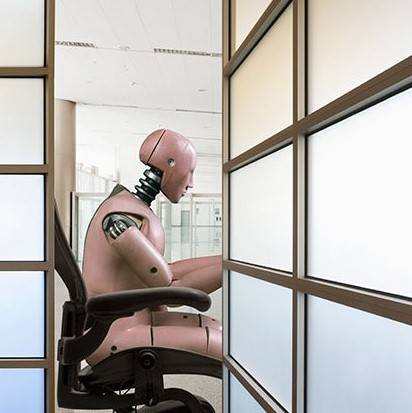
 Very few organisations are ready to manage a workforce where the latest technologies and people work side by side. Just 13 percent of UK companies are ready to respond to digital disruption and create “the organisation of the future”; despite 88 per cent believing this has become a priority. This is according to the 2017 Deloitte Global Human Capital Trends survey, which tracks the top trends shaping the agenda for HR and business leaders. However, while UK companies believe they are ill-prepared for the change brought by digital disruption, this has not stopped many of them from embracing disruptive technologies. 42 per cent report that they have adopted robotics, cognitive and artificial intelligence (AI) technologies within all or parts of their workforce. Another 42 per cent are running pilots in certain areas of their organisation. But only 16 per cent say they are ready to manage a workforce with people, robots and AI working side by side.