







December 10, 2015
Report claims we will probably all be using at least three devices by 2018 0
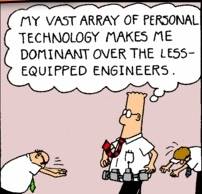 If you ever feel completely overwhelmed by the sheer amount of technology demanding your time and attention, rest assured that things are only going to get worse. A new report from tech analysts Gartner claims that as each new type of device enters the market, we don’t choose between it and what we already have, we simply add the latest addition to our technological armoury. This challenges the commonly held assumption that people choose between different devices as new ones emerge. The report suggests that by 2018, a typical user in a mature technological market will own and use at least three devices including phones, tablets, PCs and wearable tech. Worryingly, the study also suggests we will use more than two devices per person at any given time. The report suggests that during 2016, the installed base of devices will total 7.8 billion units worldwide and is on track to reach 8.3 billion units in 2018.


















December 8, 2015
Six human resources costs you might avoid by choosing the right office 0
by Darren Bilsborough • Comment, Property, Workplace, Workplace design
(more…)