







April 25, 2017
Study confirms effect of workplace autonomy on wellbeing and job satisfaction 0
 New research into workplace culture has found that employees with higher levels of autonomy in their work reported positive effects on their overall wellbeing and higher levels of job satisfaction. Researchers at the University of Birmingham Business School examined changes in reported well-being relative to levels of autonomy using two separate years of data for 20,000 employees from the Understanding Society survey. The research, published in the journal Work and Occupations, found that levels of autonomy differed considerably between occupations and by gender. Those working in management reported the highest levels of autonomy in their work, with 90 percent reporting ‘some’ or ‘a lot’ of autonomy in the workplace. The finding backs up research from Cass Business School, the German Institute for Economic Research, Abraham Maslow and elsewhere.








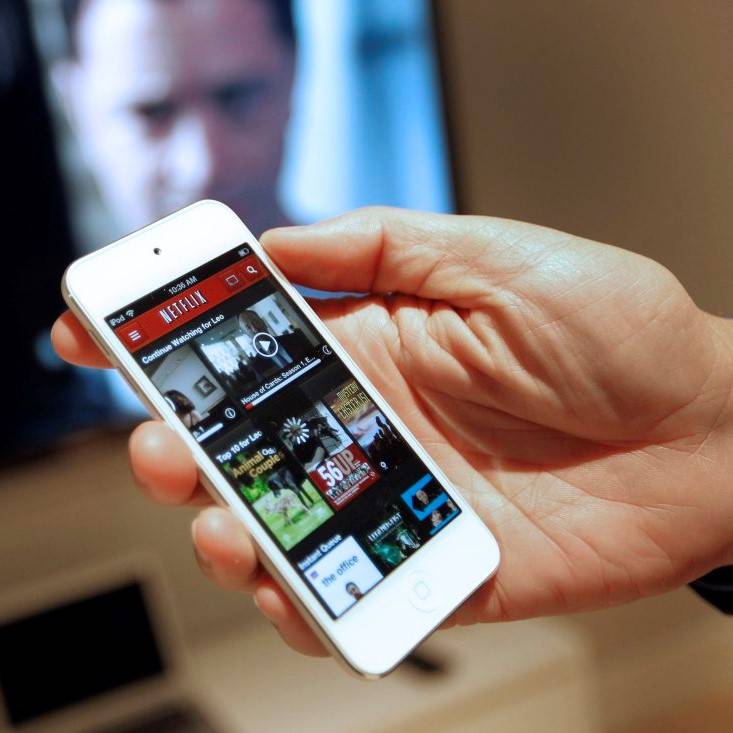
 A majority (84 percent) of British employees use their smartphones at work, with 78 percent regularly responding to text messages during working hours and on average spending as many as 120 hours per year using their smartphones during the working day claims new research. The data, compiled by LaptopsDirect.co.uk, also found that 59 percent regularly take personal phone calls whilst working; 52 percent admit to answering instant messages via platforms such as Whatsapp and Facebook, and 9 percent have sent a Snapchat from their workplace. Employers are not completely against the use of smartphones, though under half (44 percent) permit the reasonable use of smartphones, according to the research; but 14 percent of respondents admit to having been told off for using smartphones at work, and 4 percent have been disciplined for use of their own tech during work time. Of most concern for employers is the fact that more than a third (38 percent) of respondents regularly check their social media accounts while at work.











April 7, 2017
Flexible working is not a magic bullet for workplace ills 0
by Charles Marks • Comment, Flexible working
(more…)