







August 17, 2016
Intelligent lighting can enhance workplace wellbeing and productivity 0
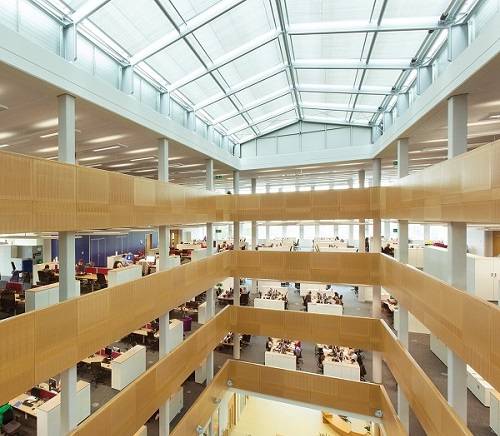 The main driver of the growing interest in wellbeing in recent years has undoubtedly been absenteeism. But workers don’t have to be ‘absent’ from the workplace to hamper productivity. Presenteeism, where employees are present but not productive can also influence the long-term success of an organisation. The interaction between the worker and their work environment has a huge influence on an individual’s wellbeing and overall productivity, with employees’ performance more likely to be enhanced when they are immersed in a comfortable and stimulating environment. This can include all the usual stipulations, such as a well-designed workstation, a comfortable office temperature and carefully considered and appropriate lighting. In fact, improved lighting is an essential element in the overall mix, not only because of the cost savings that their energy efficiency brings but also in the way lighting contributes to workplace wellbeing and people’s performance.


 A series of reports published in the past few days highlight the challenges faced by Britain’s disabled workers. The studies claim separately that disabled workers are keen to work but are less likely to be in employment and may be hiding disabilities from employers, are paid less when they are in work and that many employers do not feel they are well equipped to deal with the needs of disabled staff. The first study from Reed in Partnership and Disability Rights UK found that one in ten employers do not feel able to support a disabled employee. Meanwhile research from the Equality and Human Rights Commission (EHRC) found that employees who experience mental ill-health earn up to 42 per cent less than colleagues. A third report from Citizen’s Advice found that 40 percent of disabled people would like to work but can’t find a job. And finally a report from RIDI claims that many people applying for jobs may be hiding their disability from employers.
 Badly run and overrunning meetings remain amongst the main sources of workplace conflict and unhappiness, according to a study of 1,000 US employees from workplace software provider

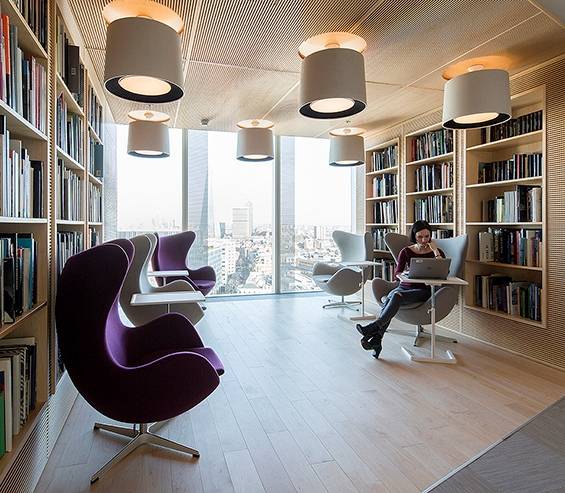
 1 The next big thing in office design is not what you think but is certainly a sign of the times, according to a story in Inc; it is
 How many people in the workplace genuinely trust their managers and employers? It’s a question that we should ask because the answer unfortunately is not as many as you might think. It’s almost certainly well below what an organisation supposes or expects. For example, a recent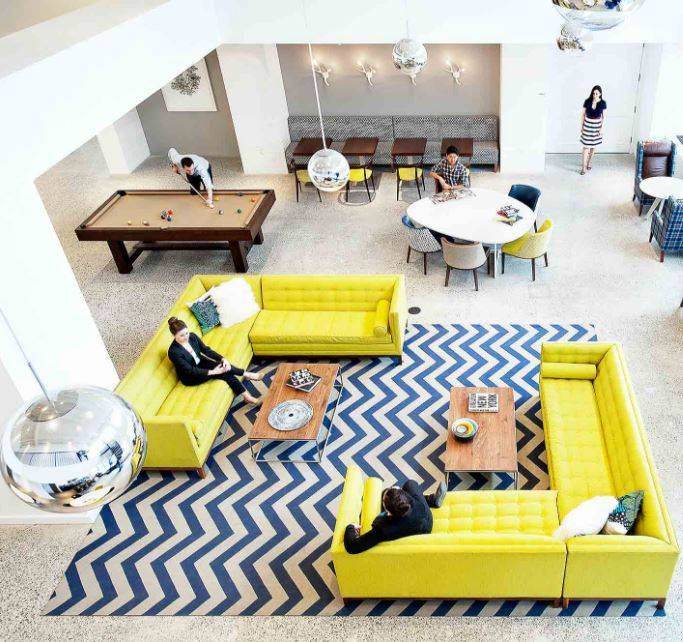
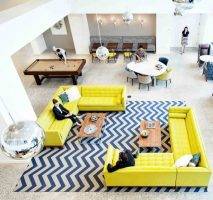 Giving employees more control over workplace design is the single most important contributing factor to their wellbeing, according to a new study. The Workplace & Wellbeing report examines the workplace design factors that influence wellbeing. The research team discovered that an invitation to participate in the design of the work environment raised levels of wellbeing, although increasing the level of participation did not necessarily increase the level of wellbeing. The research was led by the Royal College of Art’s Helen Hamlyn Centre for Design in partnership with architects Gensler and supported by a consortium of leading industry names: Milliken, Bupa, Royal Bank of Scotland, Kinnarps and Shell. The context for this project lies with a current ‘wellbeing deficit’ in the workplace which means absence from work costs the UK economy more than £14 billion a year according to the Confederation of British Industry.
 Businesses are ready to embrace the new era of robot workers, automation and artificial intelligence, according to a new report.








August 17, 2016
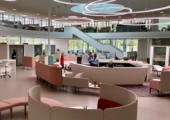
Do people really matter when we design workplaces? 0
by Steve Maslin • Comment, Events, Facilities management, Workplace design
(more…)