







May 25, 2015
Clerkenwell Design Week explores the links between design and the individual
For a show with such an international perspective there are many aspects of Clerkenwell Design Week that mark it out as a typically British event. There’s the weather, of course, which can vary from day to day between drizzle and bright sunshine, marking the difference between visitors dodging showers and huddling in showrooms or spilling out onto the pavements to drink beer and talk turkey. Then there’s the very idea of Clerkenwell itself, a district in East London historically associated with the arts and crafts movements, dodgy dealings, immigrant artisans and labourers and the sort of denuded former glories that those with the right mindset like to appropriate and reinvent. London may exist as a City State within the UK, but it also provides the beating heart for many nationwide industries. For the UK office interiors industry that heart can be found in Clerkenwell.


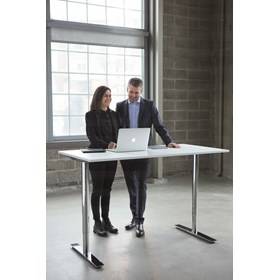
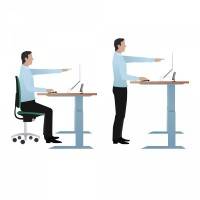 Lately I’ve seen many articles about sit stand workstations and references to Scandinavia where almost all of us employees have access to sit stand workstations. It is true that most of the Scandinavian employees have access to sit stand workstations and in for example in Denmark employers are required by law to provide sit stand workstations to the employees, but this does unfortunately not automatically mean that the Scandinavian employees actually stand by the workstations. Even though most of us actually know that sitting is bad for our health, wellbeing and even our performance, we tend to sit most of the time while working. It is mostly about us being used to sit while working. It is a habitual behaviour and instead we need to get new habits of standing and moving at work. Change management is needed.
 The complete Work&Place archive is now available for you online, with each issue in two formats. PDF and digital editions offer you a choice of how to access the thoughts of some of the world’s greatest practitioners and writers on workplaces, commercial property, urbanisation, technology and all of the key forces driving developments in the built environment. Each of the issues so far also offers you an international perspective which means not only do they offer an insight into the forces that shape workplace thinking worldwide, they also create a unique perspective on how national approaches are shaped by local forces related to legislation, the economy, environment, culture and business practice. Work&Place is now published quarterly with the next issue set for July 2015. It will continue to create an era defining body of work about the rapidly changing world of work and workplaces.








May 28, 2015
It’s perfectly logical why we should apply emotion in workplace design
by Dan Callegari • Comment, Wellbeing, Workplace, Workplace design
(more…)