








September 22, 2015
John Fogarty reflects on a career in office furniture spanning five decades 0
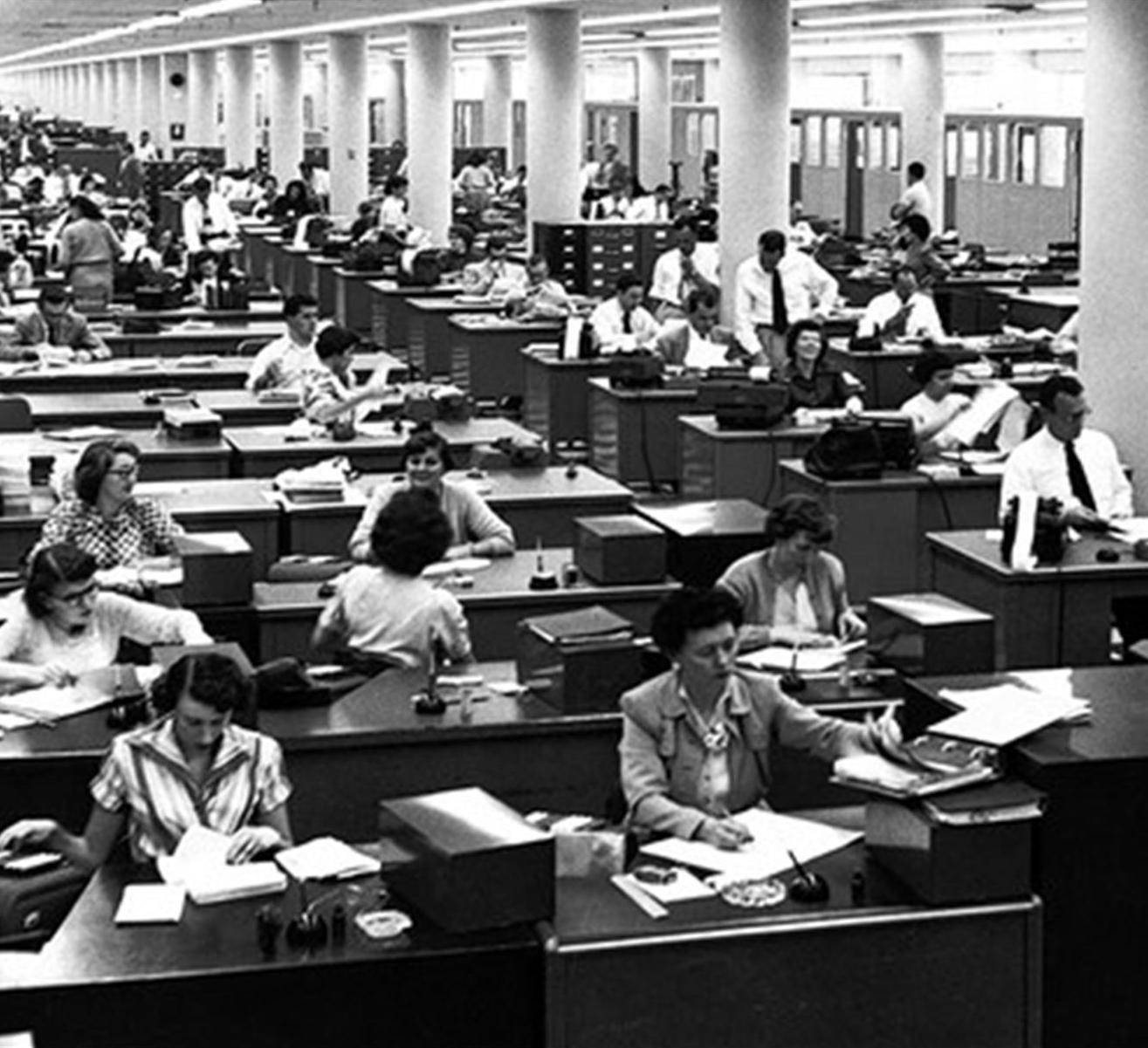 I was lucky to enter the office furniture industry in 1971, at the beginning of a decade shaped by the explosive advent of new office technology. What had gone before would not have looked that different to anyone who’d worked a corporate office in the 1890s: serried ranks of desks occupied by clerical staff bashing away on manual typewriters and comptometers (calculating machines). Although electric typewriters had been around for most of the century, decades of global conflict had constrained their development. The first major advance came with the launch of the IBM Selectric golf-ball in 1961. Although a beautiful object – I recall this being the first item associated in my mind with the term ‘product design’ by a named designer (Eliot Noyes) – it remained expensive and rare until the price reductions driven by the multi-licensing in 1972 of the Diablo daisy-wheel print head.



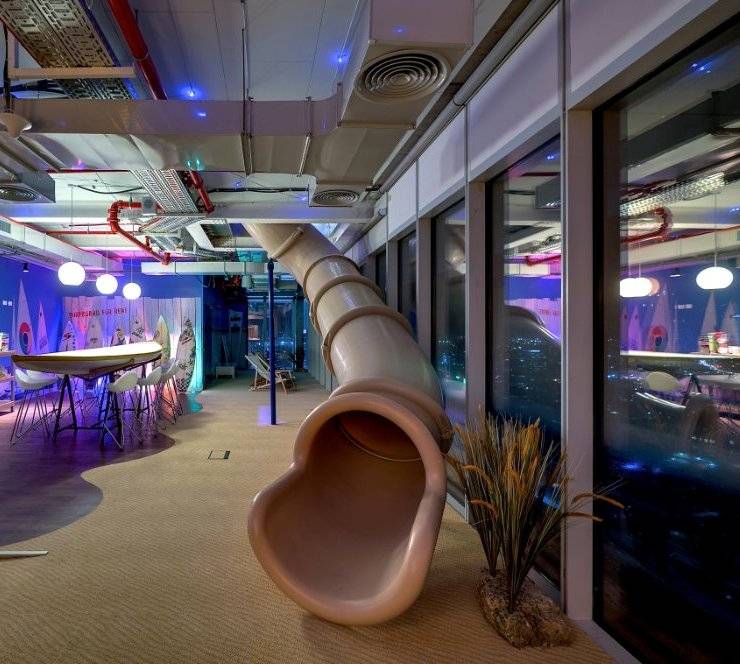





 One of the most typical claims that suppliers in this sector make about their products is that they will make people more productive at work. Many go so far as to put numbers on what this means, and usually not just 0.4 percent or whatever but something far more. We can understand why they do this because they are seeking to link workplace productivity to whatever it is they have to sell. This is often tenuous for at least two reasons. The first is that even when such a causal link is demonstrably true, it still assumes that all other things at work are equal, whereas they never are because there are so many factors involved. That is why you will find some people cheerfully working in shabby, cluttered, underlit offices while others mope around unhappily in gilded cages with expensive chairs, soaring daylit atria and olive groves. The second is that such claims simply ignore what makes people tick.
 A new meta analysis compiled by researchers from Harvard Business School and Stanford University raises questions about the way Government and organisational policies designed to tackle the problems of work related health costs in the United States have largely ignored the health effects of ‘psychosocial workplace stressors’ such as high job demands, economic insecurity, and long work hours. The analysis of 228 existing studies assessed the effects of ten workplace stressors on four specific health outcomes. The researchers claims that job insecurity increases the odds of reporting poor health by about 50 percent, high job demands raise the odds of having a diagnosed illness by 35 percent, and long work hours increase mortality by almost 20 percent. They argue that any policies designed to address these issues should account for the health effects of the workplace environment.












September 24, 2015
Weighing up the pros and cons of the BREEAM environmental standard 0
by Charles Marks • Comment, Environment, Facilities management, Workplace design
(more…)