April 25, 2018
Report sets out business case for health and wellbeing in green buildings
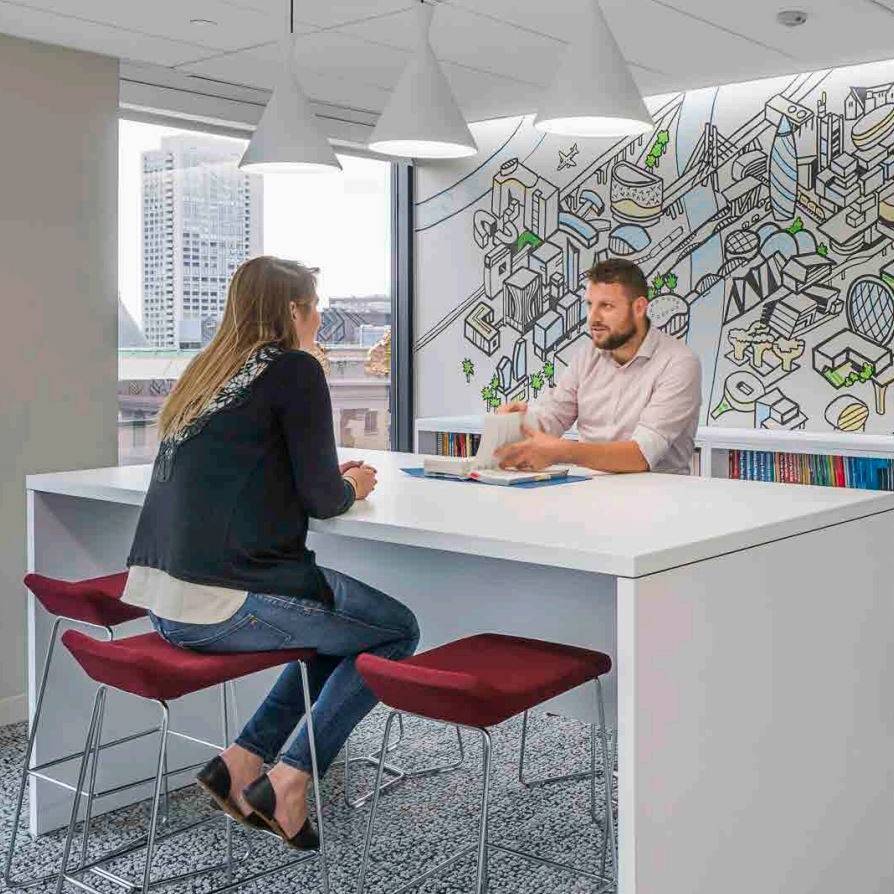 The World Green Building Council has launched a new report highlighting what it suggests are the tangible economic benefits of green buildings and the improved levels of occupant satisfaction when companies implement new health, wellbeing and productivity features in existing green structures. Doing Right by Planet and People: The Business Case for Health and Wellbeing in Green Building presents case studies of 11 facilities around the globe that have one or more green certifications including LEED, Green Star and BREEAM. The report evaluates health and wellbeing features that were integrated into the facilities, such as enhanced fresh air ventilation, acoustic privacy, increase of daylight penetration and use of biophilic design elements such as green walls and extensive indoor plants.
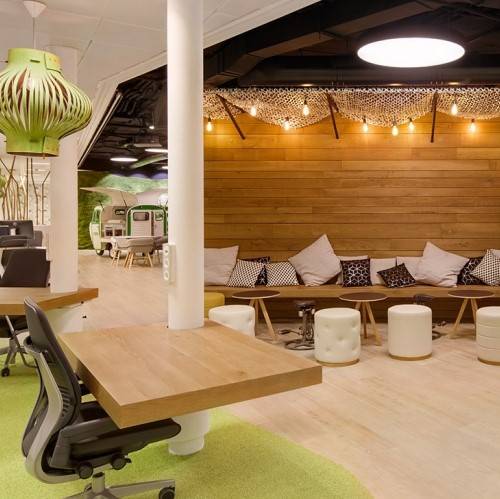


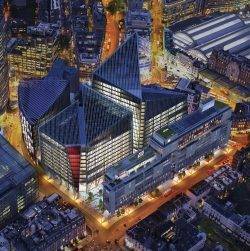 Take up of commercial office leases in London’s West End had its strongest start to the year since 2012, with the banking and finance sector continuing to actively seek space, new figures from CBRE have revealed. The amount of office space under offer on in Central London at the end of Q1 2018 stood at 3.2m sq ft, representing an increase of 6 percent on the previous quarter and showing a 3 percent increase on the same point last year. Take-up in Central London reached 2.8m sq ft in Q1 2018, with its largest deal boasting a 65,900 sq ft letting to WS Atkins at Nova North in Victoria. Availability in Central London increased by 7 percent to 14.3m sq ft but that is still below the total 12 months ago. A total of 1.1m sq ft of development and refurbishment space completed in Q1. A further 2.3m sq ft is expected to complete before the end of the year, of which 54 percent has already been committed to be leased. By the end of the quarter, 9.1m sq ft was being actively sought by occupiers, primarily from the banking and finance sector (26 percent) and creative industries sector (24 percent).


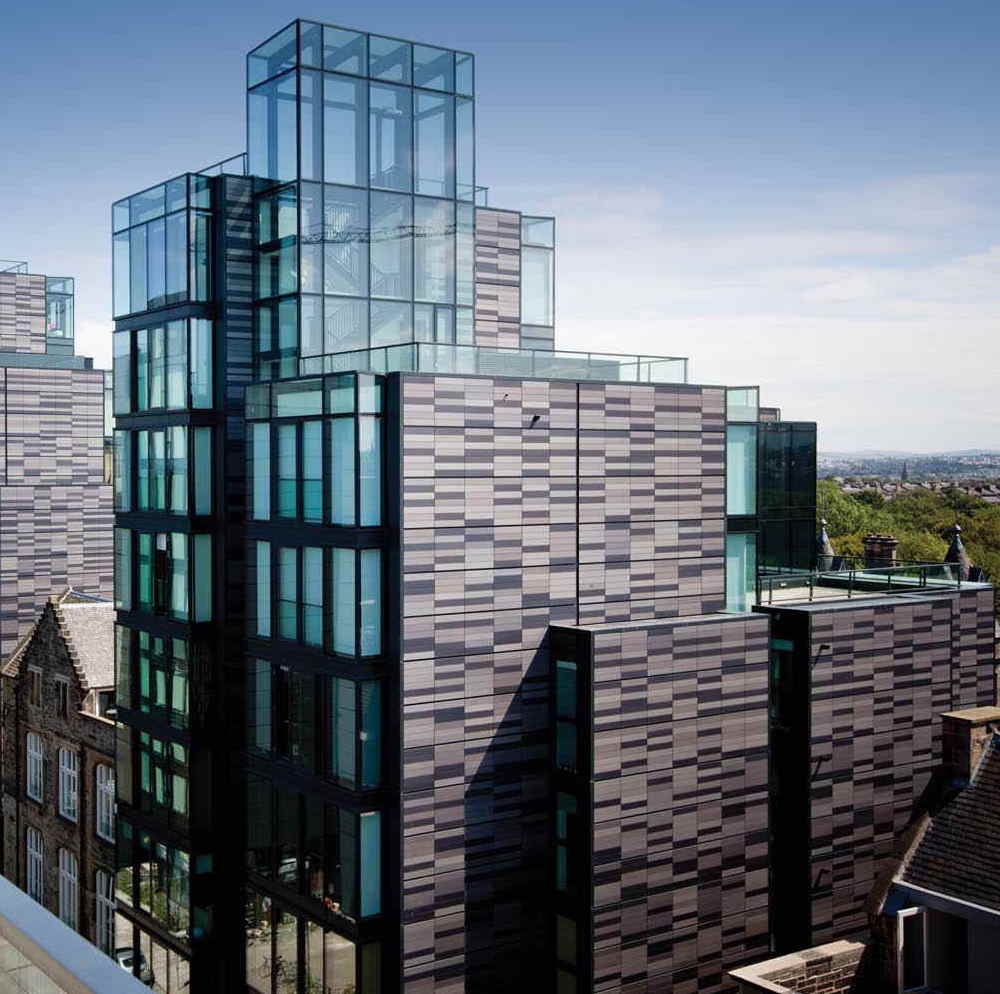
 Technology, media, and telecommunications (TMT) companies are continuing to play a prominent role within Edinburgh’s office market, accounting for approximately 30 percent of transactions in the city. But rising demand for Grade A office space in Edinburgh by a variety of organisations, including coworking, private and public sector tenants has fuelled significant occupier demand during the first quarter of 2018, according to analysis by property consultancy, Knight Frank. The latest commercial property figures show approximately 460,000 sq. ft. of new occupier requirements came onto the market in the first three months of the year from companies looking to lease office space in Edinburgh.

 Over a fifth (21 percent) of 18-24 year olds admit that they have rejected a potential employer because of the poor design of the office or lack of amenities available, while 34 percent in the same age group would be willing to commute for a maximum of one hour each way to an office that is considered perfect – compared to 22 percent of 45-54 year olds. The research, commissioned by Mindspace, found that 16 percent of 18-24 year olds have actually left a job because of how poorly designed the office was in one of their previous roles. Overall, nearly a third (31 percent), of workers are bored with their current office environment and feel uninspired at work, with 28 percent of workers describing their place of work outdated and dull. The research also found that while most workers had access to amenities such as a kitchen (72 percent), meeting rooms (66 percent) and free tea & coffee (53 percent), what UK office workers desire the most to improve morale is more natural light, air conditioning and improved interior lighting.
 Over half (52 percent) of workers in a new poll have admitted looking for a new job because of frustrations over what they see as outdated ways of thinking around work practices and automation at their current company. The
 Over a third of workers are adversely affected by a lack of natural light in their office, others complain that the lighting is too bright and a significant proportion say the quality of light provided is so weak they struggle to read. This is according to a new poll which quizzed employees about the difficulties associated with workplace lighting and found that headaches and dizziness were a problem for one in seven. Other employees reported finding the lighting too bright and dazzling (12.4 percent), while one in 10 said they had to strain their eyes due to a general lack of light. A similar proportion said they were bothered by the position of the lights and by the ‘stressful environment’ created by their workplace lighting (9.3 percent each). The findings come as reports of ‘sick building syndrome’ — a condition associated with office work that causes symptoms including headaches and respiratory problems — continue to hit the headlines. Such symptoms are usually attributed to unhealthy or stressful elements of the working environment, such as poor ventilation and lighting.
 UK office workers are under a tremendous amount of stress, and much of it is directly related to the way their work is being managed. That is the conclusion of a report by Workfront, which finds that office workers are becoming frustrated and burned out by poor work tools, processes, and communication. Four out of five office workers confessed that they feel burnt out and 73 percent expect their stress levels at work to increase in the near future. Nearly three quarters (74 percent) admit to feeling unrecognised and un-useful at work. With lack of communication and not knowing what others are working on (37 percent) cited as the number-one pain point across the board for stressed UK workers, it’s clear that businesses need to break down current silos, allowing people to engage more freely with senior staff members and see how their efforts impact the wider team. The study found that poor communication and visibility into work is UK workers’ number-one pain point in terms of work stress. It also reveals that 42 percent of office workers put in more than 6 hours of overtime per week and that 7 out of 10 office workers expect their stress levels at work to increase into the future.