
March 15, 2018
Future cityscape will feature driverless transport, smart buildings and co-working says JLL

Wi-Fi trees, driverless transport, smart buildings and co-working will be commonplace in 2040 predicts a report (registration required) published by JLL that outlines the ideal cityscape by 2040. The report incorporates a transformation framework aimed at enabling real estate businesses to adapt and thrive in a future city. According to the report, “The Transformation Framework”, the ideal cityscape in 2040 will have adapted to the trends driving the real estate sector over the next 20 years and will include co-working and living space, smart and healthy buildings, Wi-Fi trees, reverse vending machines, driverless transport and multi-generational housing as standard. To create the future cityscape, JLL asked some of the UK’s leading real-estate owners, occupiers, developers and investors what they thought the ideal city would look like in 2040, while taking into account the seven trends that JLL predict will influence real estate and infrastructure globally over the next two decades. These trends included tech innovation, urbanisation, land & resource scarcity, the low carbon economy, demographic & workplace change, health & wellness and transparency & social value.


 Work is no longer a place but a set of activities which lead to a set of outcomes that could be delivered anywhere. Or as John Blackwell, Quora Consulting’s Managing Director succinctly described it at the first of the 2018 Quora Smartworking Summit’s held last week, organisations need to create a ‘smart everywhere’ environment. New digital platforms make far it easier for people to work in exactly the way they want. Research by Quora has revealed that there are 5 million people currently working in the UK gig economy or around 15.6 percent of the total workforce. More people are working post retirement age and want to work in a way that they can control, while there are increasing numbers who simply want more autonomy in their lives in the way that self-employment can offer.


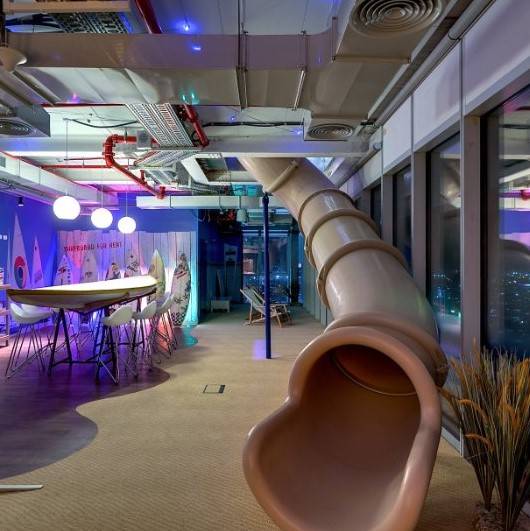
 Google has been named the Ideal Employer among tech professionals in the 2018 Dice UK Ideal Employer Report. While market leaders including Microsoft, Apple, Amazon, Facebook and IBM are placed highly, the report suggests that smaller tech brands can also attract the top talent through benefits including yoga, in-house cafeterias and more. For many technology professionals, Google is the gold standard employer, with a perfect mix of competitive salary, perks, benefits and interesting work, something smaller companies can learn from. The survey of 464 tech professionals found that simple office upgrades including yoga, colourful furniture and other positive innovative cultural perks can help smaller companies attract the best talent, even if smaller in size. Good work/life balances, open communications and manageable working hours also ranked highly.


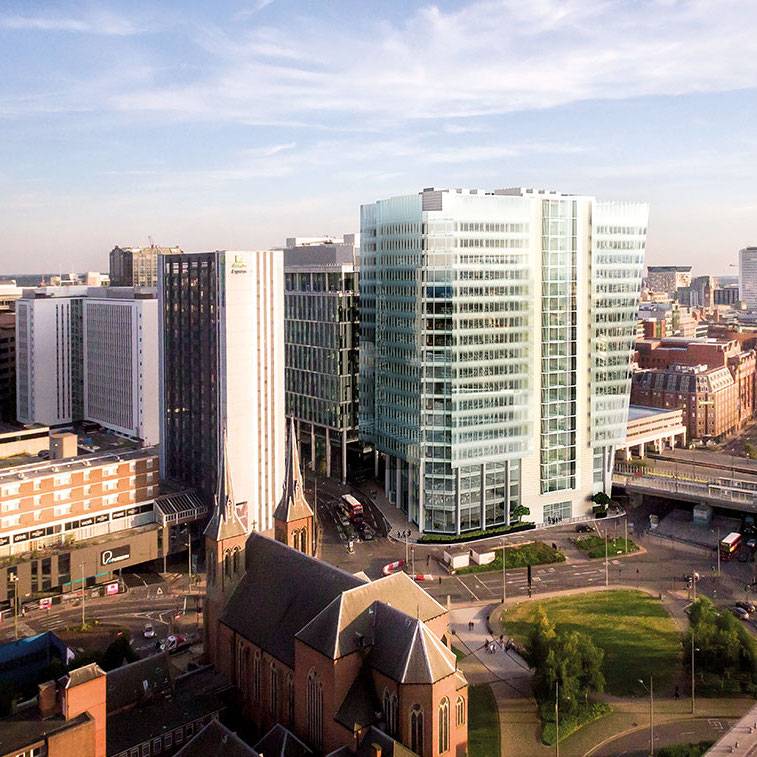
 City centre take up reached 1,005,000 sq ft in Birmingham last year, 51 percent above the 10-year average of 666,000 sq ft which marked a record year, according to Savills Research. Growth was driven in part by the Government Property Unit (GPU) deal, as public services accounted for 27 percent of take-up in the city centre last year, including the 237,000 sq ft pre-let at Arena Central. Birmingham’s boom was also boasted by take-up from serviced office providers that reached 208,000 sq ft during 2017, the highest level on record and this accounted for 21 percent of the total take-up, more than any other regional city. There now remains a shortage of Prime Grade A space in Birmingham city centre following a number of large lettings. Prime Grade A space now stands at only 169,000 sq ft, enough for only six months of take-up at average levels. Major construction project, Three Snowhill won’t complete until the second quarter of next year, when it will deliver 420,000 sq ft of much needed Grade A office space on its completion. Until then, competition among occupiers will further intensify for Grade A space.
 Corporate real estate departments need to become more effective partners in the agile transformation of their broader organizations., claims a new survey conducted by CBRE, in partnership with CoreNet Global. When describing Portfolio Agility, i.e. the ability to rapidly adapt, scale and reposition the organization’s real estate portfolio to support shifting enterprise needs, 67 percent consider portfolio agility as the most important type of agility for business success, yet only 14 percent consider themselves highly agile in this area. The most prevalent portfolio agility practices included negotiating flexible space options in the lease, seeking shorter and/or more flexible lease terms, supporting an enterprise-wide flex-work program and delivering free address work environments. The report states that new workplace guidelines for efficiency have altered the way companies plan for density and more occupiers are incorporating third-party ‘agile space’ into their overall real estate strategy.
 The construction industry needs new talent and skills to help in the adoption of new technologies to meet the challenges of digital transformation. It must also become more diverse, including increasing the percentage of women in the industry. These are the recommendations of a new report from the World Economic Forum, developed in collaboration with The Boston Consulting Group (BCG), Shaping the Future of Construction: An Action Plan to solve the Industry’s Talent Gap. The report argues that the Infrastructure and Urban Development (IU) industry has failed to innovate as quickly as other sectors, resulting in stagnating productivity and negative effects on the economy, society and the environment. An ongoing industry-wide shortage of qualified workers is among the key reasons for this issue. It has undermined project management and execution, adversely affecting cost, timelines and quality. It also has impeded the adoption of new digital technologies, such as building information modelling (BIM), automated equipment and cloud-based collaboration tools, which could improve productivity. The report provides twelve key actions which needs to be implemented to close the structural talent gap of the construction industry.