







June 20, 2017
The workplace experience will define how real estate enables business transformation 0
 JLL has today launched ‘Workplace powered by Human Experience’, a new global report series and accompanying tool, the ‘Human Experience model’, looking at how workplace experience can help businesses thrive in the new world of work. Findings of the report, which is part of JLL’s recently launched Future of Work research programme, are based on consultations with decision makers at 40 corporations around the world and the results of a separate, anonymous survey of more than 7,300 employees working for companies with more than 100 members of staff. The survey covered 12 countries and the respondents were aged between 18 and 65 years. Countries where employees were surveyed: Australia, China, France, Germany, India, Italy, Japan, the Netherlands, South Africa, Spain, the UK and the US.






 An exodus of staff is expected at the end of June, claims a new study which predicts that 36 percent of employees will have left their jobs by the end of this month. Research from Robert Half UK entitled: ‘It’s time we all work happy: The secrets of the happiest companies and employees’ finds employees in London and the East of England are most likely to have left their roles by the end of June with nearly half of Londoners (49 percent) and 42 percent of those in cities like Cambridge, Norwich and Peterborough admitting they anticipate quitting their jobs in the first six months of the year. This trend is being driven by the millennial generation (aged 18–34), who despite experiencing above average levels of happiness (71.7) and interest (71.3) in their roles, are more likely to have left their jobs (49 percent) compared to a third of 35–54 year old’s and a fifth (21 percent) of those aged over 55.
 An increasing number of workers are taking on caring responsibilities, be this for children, elderly relatives or other dependents, and it’s becoming a major cause of workforce absence, claims new research. According to data released by group risk industry body GRiD, for 61 percent of employers these issues are a main cause of short-term absence (less than 4 weeks); for 49 percent of employers these issues are a main cause of mid-term absence (4 weeks to 6 months) and for 43 percent of employers these issues are a main cause of long-term absence (in excess of 6 months). They can also be a contributory factor in the development of mental illness or the deterioration of mental health. Indeed, mental ill-health is another major cause of absence, due to the knock-on effects of stress and deteriorating mental health that results in more absence. In terms of what employers are doing to reduce absence and improve attendance, flexible working comes out as the top-rated solution, with 36 percent of employers citing this as one of the measures they have put in place to minimise absence.
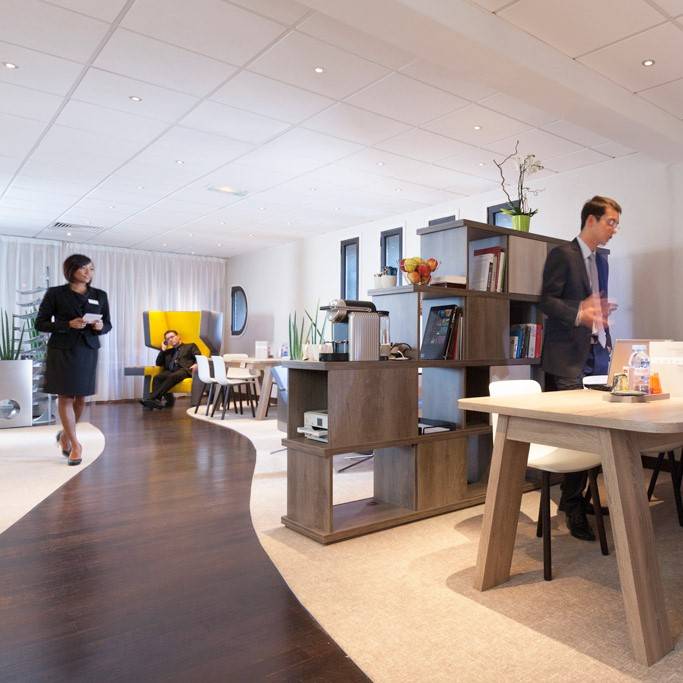



 Nearly half of UK employees are effectively working an extra day per week for free, claims new research from Powwownow. On average, UK workers spend just under seven hours per week working outside of contracted hours – the equivalent of a nine-to-five working day with an hour for lunch – but nearly half of them (42 percent) receive no pay for this extra days’ worth of work. A quarter of UK workers (26 percent) receive their standard pay for any overtime, while a fifth (21 percent) are rewarded with ‘time and a half’. Only 6 per cent receive ‘double time’. Germans get a worst deal though, as employees spend an average of 7 hours and 54 minutes working extra but a huge 61 percent of workers receive no pay at all for this time. Workers in Sweden spend the least time working outside of contracted hours, with only 4 hours and 9 minutes of extra work per week.











June 12, 2017
What will the UK General Election mean for the workplace? Some experts respond 0
by Mark Eltringham • Architecture, Comment, Flexible working, Property, Workplace, Workplace design
(more…)