April 11, 2018
British workers are too tired to exercise, claims report
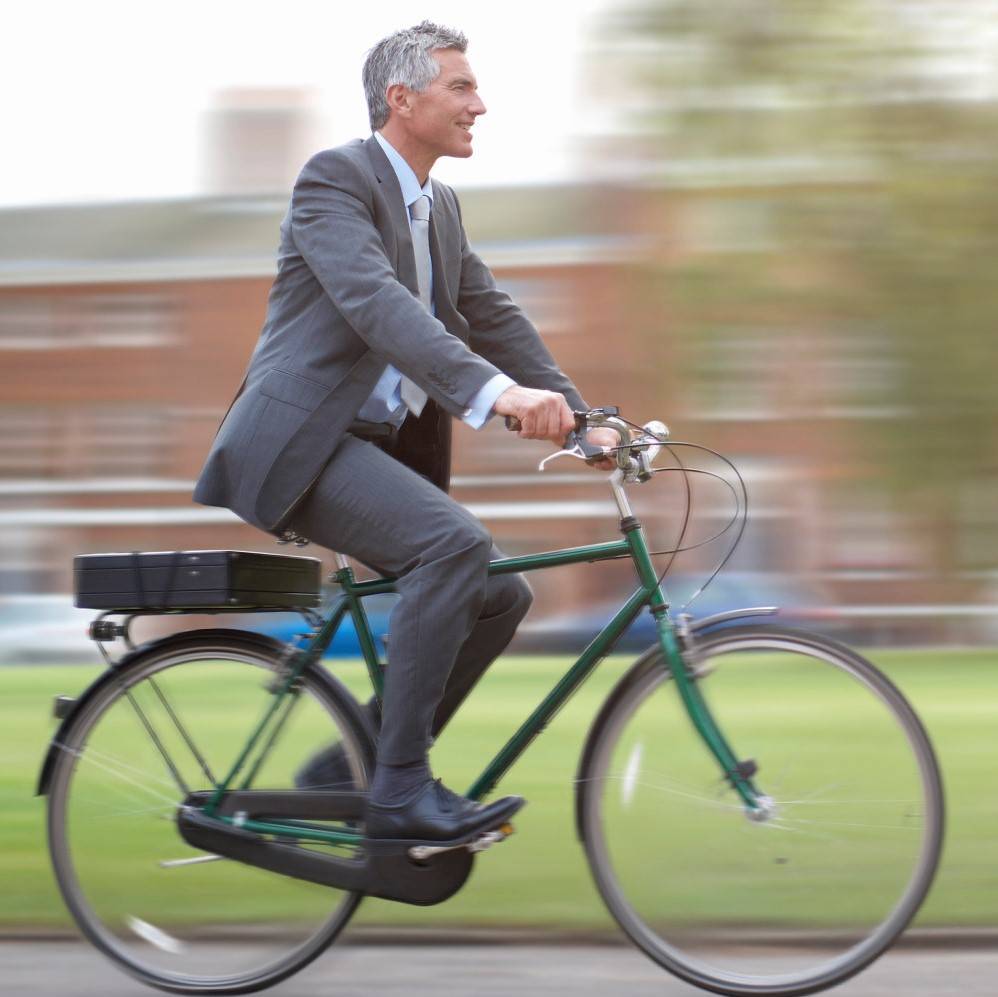 British workers claim they are ‘too tired’ to exercise during the working week, according to a new report. The survey by conference call company Powwownow found that a worrying third of workers (35 percent) do not exercise at all Monday to Friday. A startling half of women (51 percent) only exercise once during the working week. Tiredness before and after work is apparently the top reason (58 percent) why UK workers don’t exercise during the working week, closely followed by the cost of joining a gym or going to classes (38 percent), and long working hours (28 percent). Flexible working hours was cited as the top factor that would encourage UK workers to go to the gym or exercise more frequently during the working week. Over a third (42 percent) of UK workers said they would exercise or go to the gym more often if they worked flexible hours. Other changes which would improve exercise levels include having a gym provided at work (30 percent) or one subsidised by an employer (29 percent). A huge three quarters (75 percent) of UK office workers do not currently have access to a gym or leisure facility at their place of work.
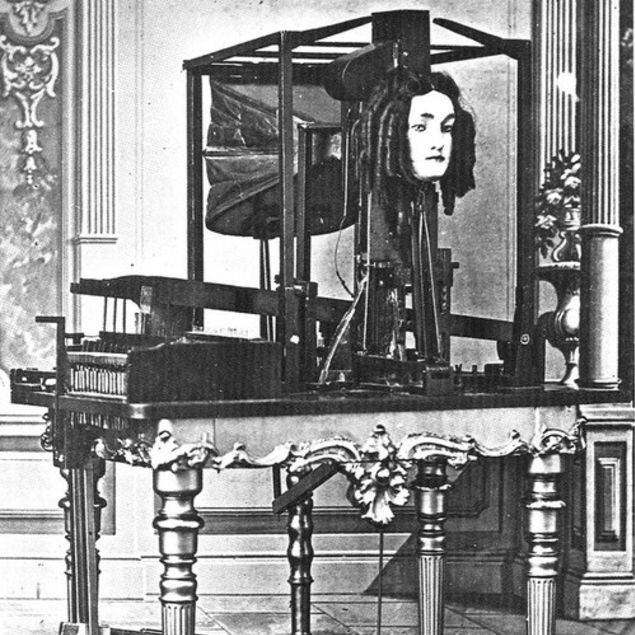
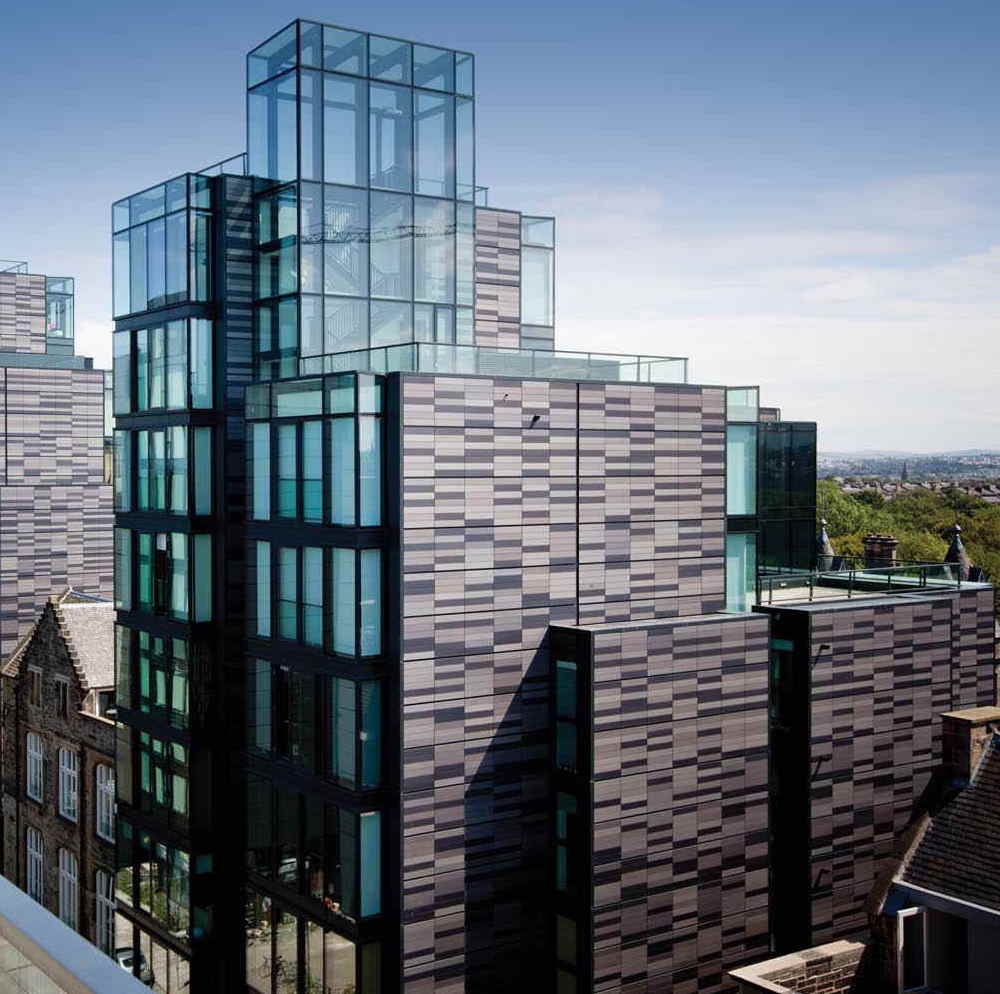
 Technology, media, and telecommunications (TMT) companies are continuing to play a prominent role within Edinburgh’s office market, accounting for approximately 30 percent of transactions in the city. But rising demand for Grade A office space in Edinburgh by a variety of organisations, including coworking, private and public sector tenants has fuelled significant occupier demand during the first quarter of 2018, according to analysis by property consultancy, Knight Frank. The latest commercial property figures show approximately 460,000 sq. ft. of new occupier requirements came onto the market in the first three months of the year from companies looking to lease office space in Edinburgh.
 Following the deadline for organisations to publish their gender pay this week, it came as little surprise to find that almost