





April 6, 2018
Quarter of people are ready to welcome robots as our new overlords
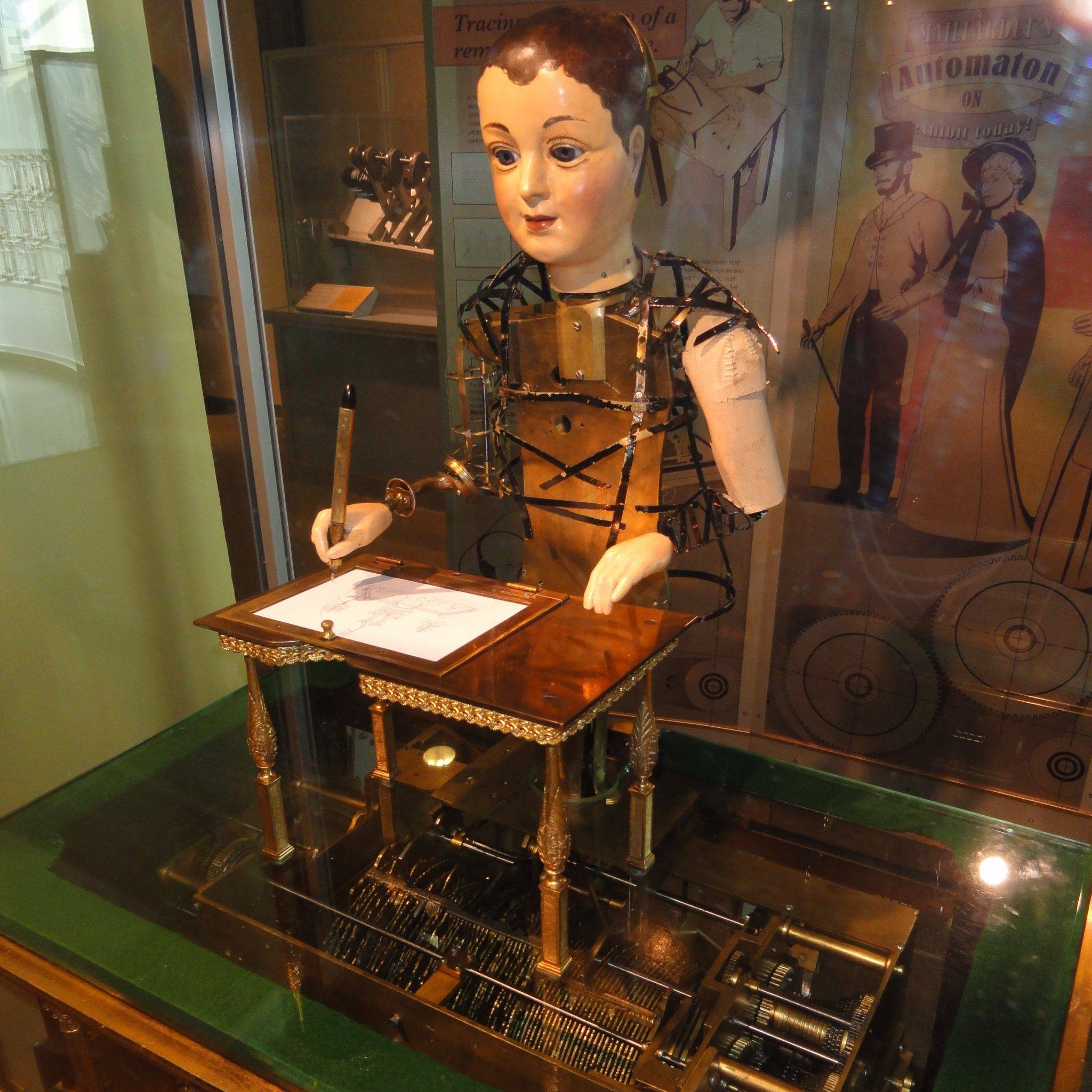 Around a quarter of British people would happily replace MPs with robots, according to a study of 6,000 individuals from Reboot Digital Marketing and Mindshare. The surveys asked people whether they would prefer machines or humans in eight different occupations and scenarios. It found that when making car comparisons with the intention to eventually purchase, a significant percentage of Brits would want robots (60 percent) aiding them instead of humans (40 percent). Thereafter, Brits would be most inclined to accept music and film recommendations from artificial intelligence at 49 percent – though 51 percent would still opt to do so from other people. Even though most respondents (75 percent) would still prefer humans to be MP’s, 25 percent would elect robots to be in this position of power.












 It should come as little surprise that graduates who have undertaken an internship are more likely to have honed the skills businesses needs, one of the main findings of the Institute of Student Employers (ISE) annual Development Survey, which launches today (28 March 2018) at the ISE Student Development Conference. The report found that 63 percent of employers believed graduates who had undertaken work experience had the required soft skills, yet less than half (48 percent) thought this of graduates in general. According to the report the five most common graduate skills gaps are; managing up (5 percent of employers believed graduates had this skill); dealing with conflict (12 percent); negotiating/influencing (17 percent); commercial awareness (23 percent and resilience (31 percent). This is why closing skills gaps is a priority for businesses with 74 percent of employers taking specific actions to tackle the issue in 2017. Changes to recruitment and on-the-job training were the most common actions and 16 percent of organisations improved their internship development programmes specifically to close skills gaps.
 Almost one in two working age adults currently lack numeracy skills and this skills gap is estimated to cost businesses £3.2bn annually, with a cost to the UK economy of up to £20.2billion a year. This is why charity National Numeracy has joined together with founder supporter, KPMG, to establish the first ever UK National Numeracy Day – created to drive a change in recognition of the importance of numbers, as well as improve employee careers. The day, which takes place on the 16th May will be designed to celebrate numbers, and aims to help individuals to check their numeracy levels, and provide free tools to support improvement amongst those who could benefit. Businesses are being called on to get involved in a variety of ways; from becoming an official supporter, to encouraging employees, suppliers and the local community to check their numeracy levels using the












April 2, 2018
Take up of shared parental leave is held back by cultural inertia
by Paul Kelly • Comment, Flexible working, Workplace
(more…)