





September 23, 2016
Employers urged to support ‘sandwich generation’ of older workers 0
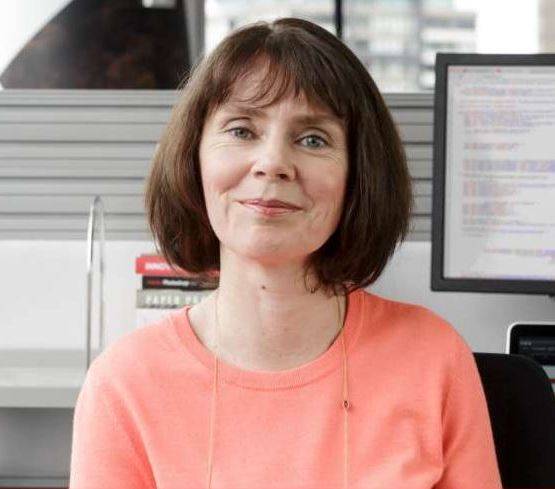 Over a third (36 percent) of managers are unaware of anything their organisation does to attract, retain and engage older employees despite two-thirds (66 percent) believing the average age of retirement will increase in the next five to ten years. This is according to a new white paper from AXA PPP healthcare – Supporting fuller working lives – How organisations can embrace older employees and those with caring responsibilities. It warns that with the proportion of people aged 50 to 64 and aged 65+ in employment on the up (from 55 percent to 70 percent and from 5 percent to 10 percent, respectively, since 1984) and an estimate by Carers UK that nearly two-thirds of people are likely to end up caring for someone at some point in their lives. Yet the research claims that many businesses are not sufficiently adjusted to the changing nature of the workforce and not tuned in enough to helping workers who are often sandwiched between caring for older relatives and their offspring.




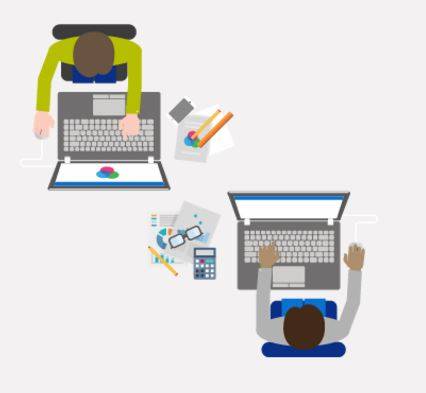








 Some may think this is a daft question. They’ll argue that of course people matter when we design workplaces. Granted, there are those for whom the human experience of the built environment is really important. They demonstrate this it in their attitudes and actions. However, based on some of the attitudes and actions I have observed over the years, I would suggest that the belief that people really matter when some designers design workplaces for them is quite frankly all too often skin deep. How do we know this? And if we accept that it is true, it then begs the secondary question of why this should be the case. Is it entirely our fault? What might we do to address the issues? In part, we know that people haven’t really mattered enough in design because of mistakes of the past. Meanwhile, society is facing many pressing challenges, ranging from health to housing, work to economy and climate change to resource depletion.
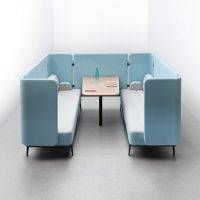 A skim through workplace features in the media and you’d be forgiven for thinking that the traditional office is no longer with us. According to the narrative, we’re all now 20-somethings, working in open-plan warehouses, with table football, bean bags and comfy sofas to lounge on, while drinking our custom-made soya lattes. When in actual fact, while more relaxed, fun and funky offices tend to make the headlines, the majority of people still work in a relatively traditional way, with their PC or laptop, a desk and an ergonomic task chair. What’s more, with an ageing workforce, we certainly aren’t all 20-somethings, with DWP (Department of Work and Pensions) figures revealing that the employment rate for people aged 50 to 64 has risen by 14 per cent in the last 30 years, and doubled for over 65s. So designing with just the youngsters in mind simply doesn’t add up. Recent research by the Senator Group, backs up this view.
 Fifteen million UK internet users have undertaken a ‘digital detox’ in a bid to strike a healthier balance between technology and life beyond the screen, according to a new Ofcom study. The study of around 2,500 people suggests that our reliance on the internet is affecting people’s personal and working lives, leading many to seek time away from the web to spend time with friends and family. Ofcom’s







August 31, 2016
Addressing the five negative influences on organisational culture 0
by Matias Rodsevich • Comment, Flexible working, Knowledge, Workplace
(more…)