








March 22, 2017
HR needs to help employers better prepare for the digitised workplace 0

HR leaders must take responsibility for bridging the gap between leadership and employees to help ensure organisations deal with the challenge of an increasingly digitised workplace and create a shared sense of direction, values and collaboration, a new piece of research suggests. According to the report, ‘Leadership Connections: HR’s role in business transformation’ from Ipsos LEAD and Cirrus, HR leaders are the crucial drivers of transformation in UK businesses through their roles of promoting devolved decision making, employee engagement and collaboration. Figures have shown that while half of CEOs expect their industries to be substantially or unrecognisably changed by digital, as of late 2016 10 percent of employees claim to have seen no significant change in their organisations at all – according to MORI’s Representative Employee Data (RED). This presents a significant difference between what we are being told by senior leadership and what employees believe to be the case.
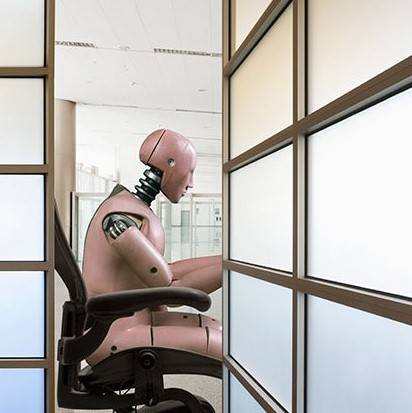
 Very few organisations are ready to manage a workforce where the latest technologies and people work side by side. Just 13 percent of UK companies are ready to respond to digital disruption and create “the organisation of the future”; despite 88 per cent believing this has become a priority. This is according to the 2017 Deloitte Global Human Capital Trends survey, which tracks the top trends shaping the agenda for HR and business leaders. However, while UK companies believe they are ill-prepared for the change brought by digital disruption, this has not stopped many of them from embracing disruptive technologies. 42 per cent report that they have adopted robotics, cognitive and artificial intelligence (AI) technologies within all or parts of their workforce. Another 42 per cent are running pilots in certain areas of their organisation. But only 16 per cent say they are ready to manage a workforce with people, robots and AI working side by side.

 The
The 
 Employees would like more freedom and flexibility at work with over half believing that the structure and culture of their workplaces are holding them back from doing their job more effectively (55 percent and 53 percent respectively). That’s according to new research from ILM, which has launched a new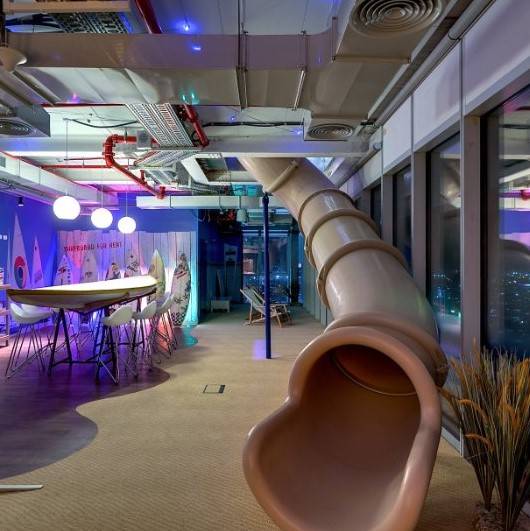
 The majority (79 percent) of workers say reliable and modern technology is more important to them than office aesthetics, while accessories such as ping pong tables, slides, hammocks and wacky office designs may look good in pictures, but they don’t necessarily make employees any happier or productive. The is according to a survey, conducted by storage firm Kiwi Movers, which found that 86 percent of UK adults who work in an office said fun features were of no specific value to their working life, 11 percent said they were nice-to-have and of some value and 3 percent said they were very valuable. The most popular office perks are those offer an immediate tangible benefit to the employee, but even so, as many as 23 percent don’t take advantage every day; while 71 percent overall said they’d like more space in their office and of those, 58 percent believe that could be achieved by removing non-essential items. The research also found that younger workers were more likely on average to take advantage of ‘environmental’ perks like chill out areas and recreational equipment.









February 10, 2017
Reflections on the future of work from a mirrored room 0
by Neil Usher • Comment, Facilities management, Technology, Workplace design
(more…)