







May 13, 2017
From footprint to footfall: how the experiential workplace is set to take over the world 1
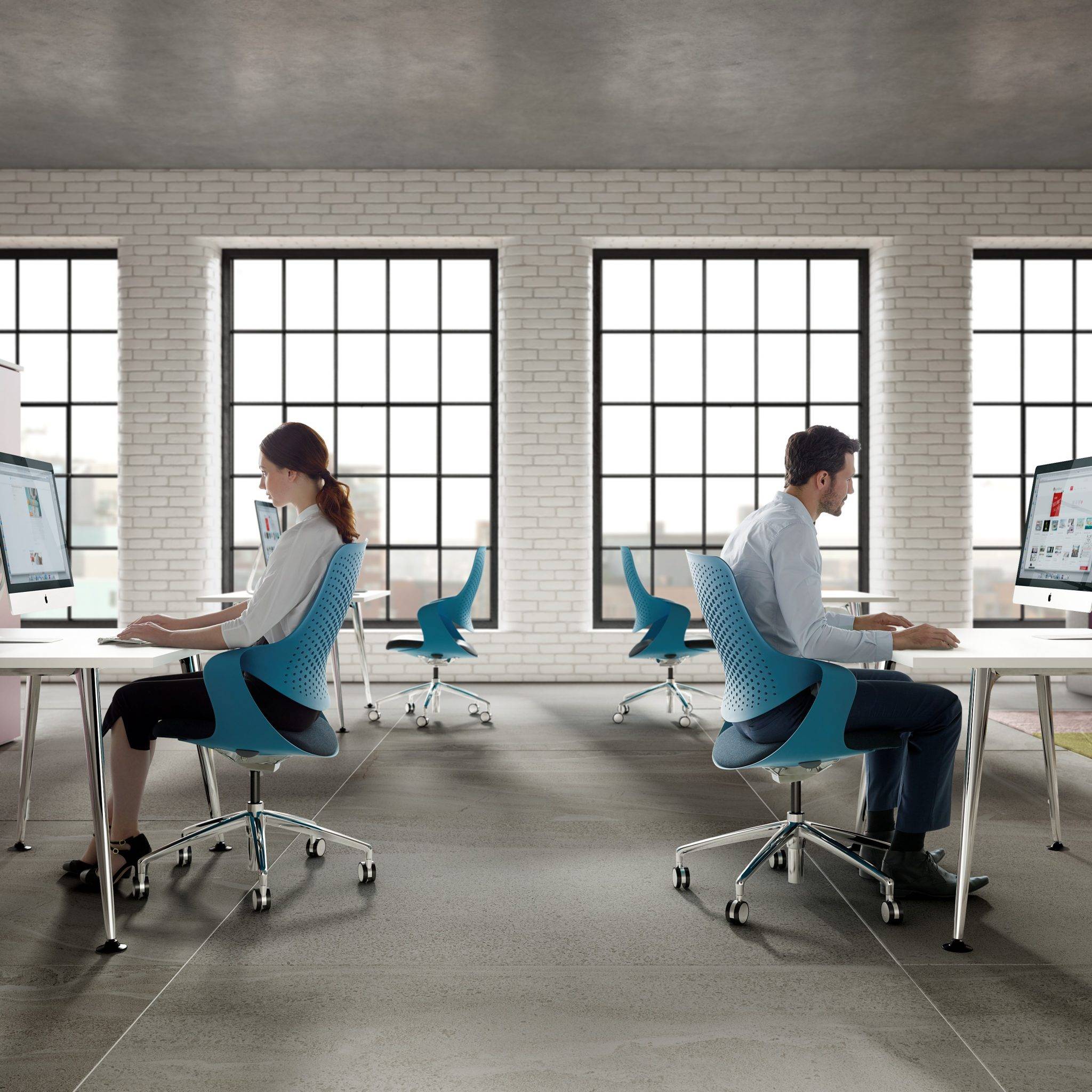 From the archive. This piece was originally published in 2016. The culture within which we work determines how effective, successful, fulfilled and well we are in both our professional and personal lives. The organisations for which we work – on whatever basis that might be – the physical surroundings they create, and the other places in which we choose to work are now woven into the fabric of our lives as never before. The technological immersion that allows us to work in new ways also means that each day becomes a series of experiences. Because we are free to work wherever and whenever we choose, we are increasingly able to determine the nature of those experiences. For those who design and manage offices this represents both a great opportunity and an unprecedented series of challenges.



 The majority of UK employees recognise the importance of data literacy to their career progression, but half have never been offered any relevant training. Statistics from a study of over 3,000 UK employees shows they understand the growing significance of data within their organisation, with almost all (94 percent) of those surveyed stateing that they consider data to be important for performing their role. Data skills were ranked as fourth in a list of the most important skills for their job – with only traditional, ‘soft’ skills such as ‘communication’, ‘organisation’ and ‘people management’ ranking higher. Yet the Censuswide survey, commissioned by Tableau revealed that despite four in five professionals (84 percent) believing data skills will be important for their career progression and a similar percentage (83 percent) using data on a weekly basis as part of their role, nearly half (49 percent) say their employer hasn’t offered them any kind of data analytics training.
 Employees coming into work when sick are contributing to a rising trend of ‘presenteeism’ across the UK, with more than half (52 percent) of UK workers admitting to going to work when their performance is negatively affected by work-related health issues, a new survey claims. A third (34 percent) of workers have even considered moving jobs due to the negative impact of their work environment on their health – the highest percentage across Europe. The report from Fellowes, published to coincide with World Day for Safety and Health at Work, argues when a worker is present but not able to perform their function properly, it compromises their productivity. With most employees continuing to work at sub-par levels rather than taking days off to recover, this also prolongs the effect of illness. Subsequently, businesses are experiencing a detrimental knock-on impact on the quality and volume of work produced, with a further impact on overall business performance.


 A majority of workers (65 percent) now feel comfortable requesting to work from home, while a third (33 percent) of UK employees would decline a job offer if they weren’t able to work flexibly. This is according to a new study from Maintel which claims that today’s multi-generational workforce prefers flexible working to traditional office hours and location; with flexible work policies perceived as an important workplace benefit. Nearly three quarters (73 percent) of respondents say the company they work for has good flexible work policies in place, 64 percent of remote workers don’t feel micromanaged, and 58 percent would take the opportunity to spend even less time in an office, if it were available. Well over half (60 percent) of respondents believe technology can replace in-person interaction in the workplace. Yet there remain challenges with flexible work, including indifference regarding the security of company data (66 percent) and distractions at home (31 percent).











May 10, 2017
The new normal arrives for the commercial property sector 0
by Gary Chandler • Comment, Facilities management, Property, Workplace design
(more…)